
 English
 简体中文
简体中文 Русский
 Português
 Español
 لالعربية

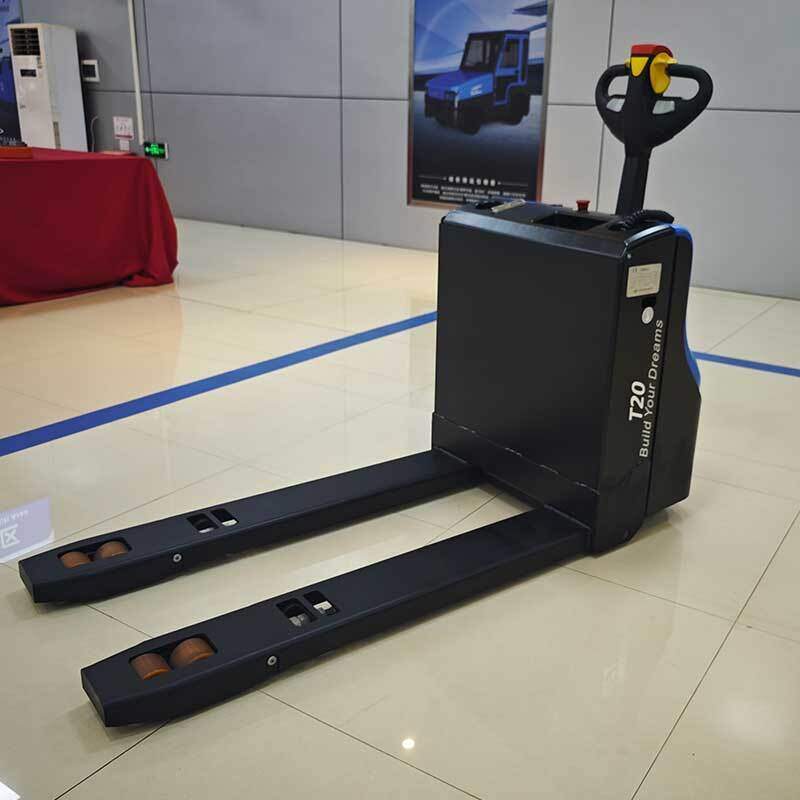
Against the background of low-carbon transformation of modern logistics and warehousing industries, electric forklifts have become the most widely used material handling equipment in most indoor operation scenarios. Many frontline operators and warehouse managers lack systematic cognition of correct usage logic, which often leads to insufficient equipment performance and hidden safety risks. This guide sorts out practical, easy-to-implement operation and management points for all relevant personnel.
Core Pre-operation Check Procedures
The pre-operation check before each shift takes no more than 10 minutes, but can eliminate most potential minor faults in advance. Operators only need to verify the remaining battery level, test the braking system sensitivity, check whether there is obvious deformation on the surface of the forks, and confirm that all warning lights and sound prompts work normally. Skipping these simple checks may cause sudden equipment failure in the middle of peak operation period, block the original smooth material handling flow, and bring unnecessary extra cost loss.
Standard Operation Specifications for Longer Service Life
In the daily operation process, frequent sharp acceleration and sharp deceleration should be avoided as much as possible. When the forklift carries full load, do not drive on the slope for a long time, and do not move the body quickly when the goods are lifted to a high position. These improper operations will bring extra load to the motor and hydraulic system, and accelerate the aging of core components after long-term accumulation. Operators also need to pay attention to the obstacles on the ground of the operation area, avoid impact caused by violent bumps, and match the driving speed with the density of surrounding personnel to ensure the overall safety of the operation site.
Routine Maintenance to Reduce Unexpected Downtime
The daily maintenance work can be carried out strictly in accordance with the official product manual. The battery pack should be kept dry and clean all the time, and the standard charging process should be followed, avoiding over-discharging the battery before long-time overloaded charging. The dust and debris accumulated at the heat dissipation outlet should be cleaned regularly to ensure that the heat dissipation efficiency of the power system remains within a reasonable range. When replacing worn parts that have reached their service life, select matching regular accessories to maintain stable operation state of the equipment.
Scenario Adaptation Tips for Better Usage Experience
Operators can adjust the running state of the electric forklift to adapt to different scenario characteristics. For low-temperature outdoor operation, reserve enough preheating time before formal work, shorten the cleaning interval of the filter element for operation in high-dust warehousing scenarios, and limit the driving speed to a lower gear when working in narrow aisles. These adaptive adjustments do not require additional modification cost, and can make the performance of the equipment more consistent with the actual operation demand.


