
 English
 简体中文
简体中文 Русский
 Português
 Español
 لالعربية

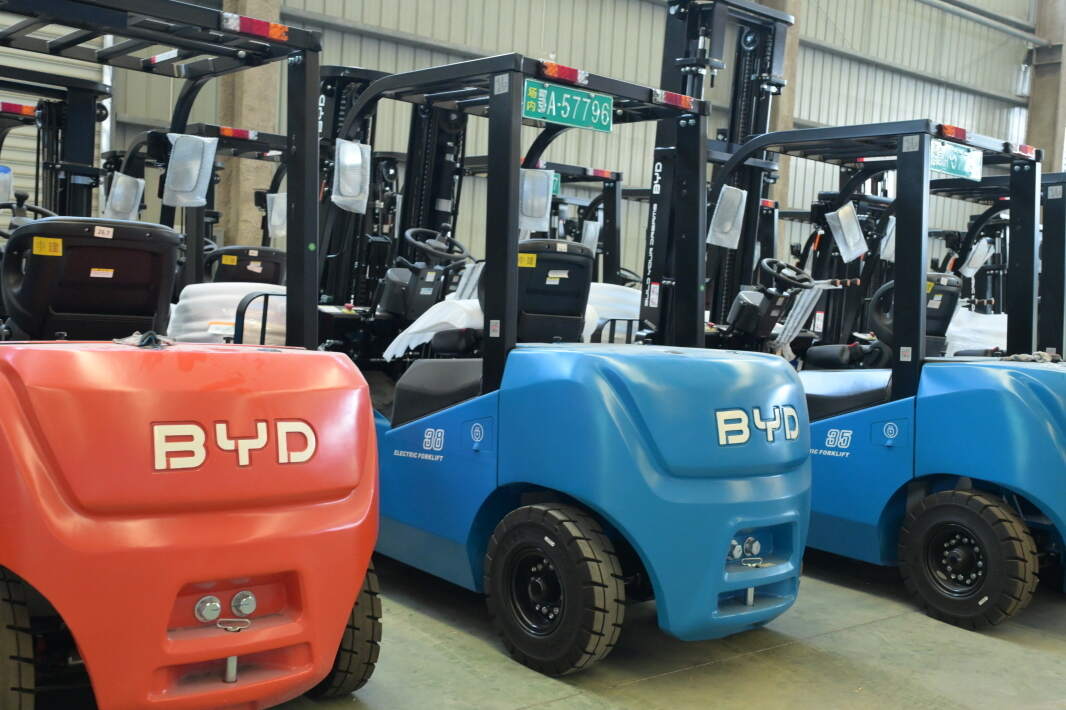
When enterprises launch lithium-ion forklift procurement projects, most of them focus on the basic parameters of vehicle body, load capacity and operating efficiency, while easily overlook the detailed clauses related to battery replacement, which often lead to unnecessary disputes and extra cost expenditure in subsequent daily use.
First, it is necessary to confirm the scope of application of free or subsidized battery replacement within the agreed warranty period. You need to clarify whether the abnormal failure caused by normal daily use, such as capacity attenuation exceeding the agreed threshold, internal circuit failure of the battery pack, or seal damage under non-artificial impact, is included in the free replacement scope, and exclude the situation that the supplier avoids responsibility by taking "man-made damage" as the general excuse. It is also required to confirm the specific threshold of capacity attenuation that triggers the replacement standard, and write the clear test method for capacity detection into the agreement to avoid ambiguous judgment standards.
Second, confirm the time limit for battery replacement response and the provision of standby battery. In the actual operation scenario of industrial handling, the shutdown of forklift caused by battery failure will directly affect the operation rhythm of the whole warehouse or production line. Both parties should clearly stipulate the maximum time allowed for the supplier to arrive at the site for inspection and complete the replacement after receiving the fault notification, and confirm whether the supplier is required to provide a spare standby battery for temporary use when the replacement process takes more than the agreed time, so as to avoid long-term production stagnation.
Third, confirm the battery replacement clauses outside the warranty period. After the end of the warranty period, the lithium-ion battery will still need to be replaced after long-term use to maintain the normal operation efficiency of the forklift. At the procurement negotiation stage, both parties can confirm the preferential price standard for battery cell replacement and whole pack replacement in the later period, as well as the matching degree of the replaced battery with the original forklift control system, so as to avoid the situation that the supplier charges unexpected high fees for exclusive battery accessories, or the replaced battery does not match the vehicle and causes hidden safety risks.
In addition, it is also necessary to clarify the ownership of the replaced old battery in the agreement, confirm that the supplier shall complete the compliant disposal of the retired power battery according to the local environmental protection regulations, so as to prevent the enterprise from bearing additional environmental compliance risks caused by improper disposal of old batteries. The confirmation of the above terms will help both parties form a clear and mutually agreed cooperation framework, and lay a solid foundation for the long-term stable operation of the lithium-ion forklift fleet.


