
 English
 简体中文
简体中文 Русский
 Português
 Español
 لالعربية

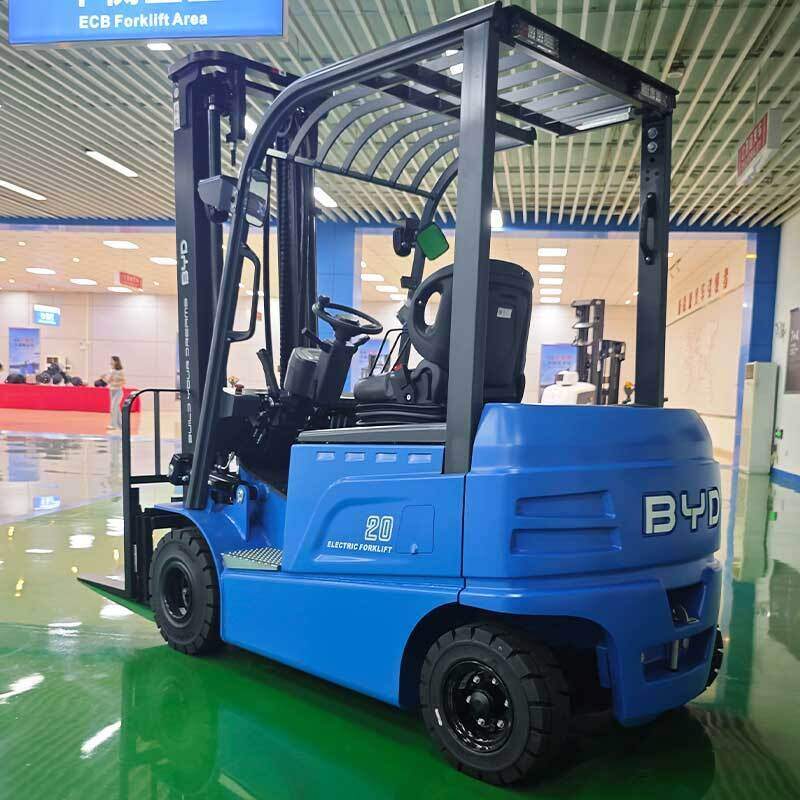
As the core supporting equipment for modern indoor warehouse material handling, electric forklifts have been widely adopted across multiple industrial scenarios for their low noise, zero local emission and flexible maneuverability features. Proper operation norms and standardized maintenance habits can help operators maximize the use value of the equipment while lowering unnecessary operation risks.
Core Operational Safety Rules for Daily Use
Before starting the equipment, operators need to complete a full check on the brake system, steering function, tire condition and load lifting structure, confirm no abnormal signs before formal operation. During the moving process, operators need to keep the forked load at a low enough height to avoid blocking the front view, keep a safe distance from surrounding personnel and stacked goods, and do not turn sharply on uneven grounds to prevent side slipping. When parking the equipment, operators need to fully lower the lifting fork, engage the parking brake, and turn off the main power supply if leaving the working position for a long time.
Routine Maintenance Practices to Extend Service Life
Regular standardized maintenance work can effectively reduce the occurrence of unexpected failures. The battery pack, as the core power component of electric forklifts, needs to be charged according to the specified operation procedures, avoid complete power depletion before charging, and keep the surface of battery components dry and clean to prevent hidden short circuit risks. Operators also need to regularly check the wear condition of moving parts such as transmission gears and lifting chains, add designated lubricating oil on schedule to reduce friction loss, and clean the dust and debris accumulated on the motor and heat dissipation structure every week to ensure stable heat dissipation performance.
Practical Strategies to Improve Energy Efficiency
Adjusting daily operation habits properly can effectively reduce unnecessary energy consumption. Operators can plan the handling route in advance to avoid repeated back-and-forth driving and unneeded detours, arrange the order of goods access reasonably to reduce the times of frequent lifting and lowering of the fork. For long time standby scenarios, operators can turn off the non-necessary auxiliary power consumption components properly to reduce extra power loss, which can extend the single continuous working time of the equipment to a certain extent, and lower the overall operation cost of the warehouse material handling system.


