
 English
 简体中文
简体中文 Русский
 Português
 Español
 لالعربية

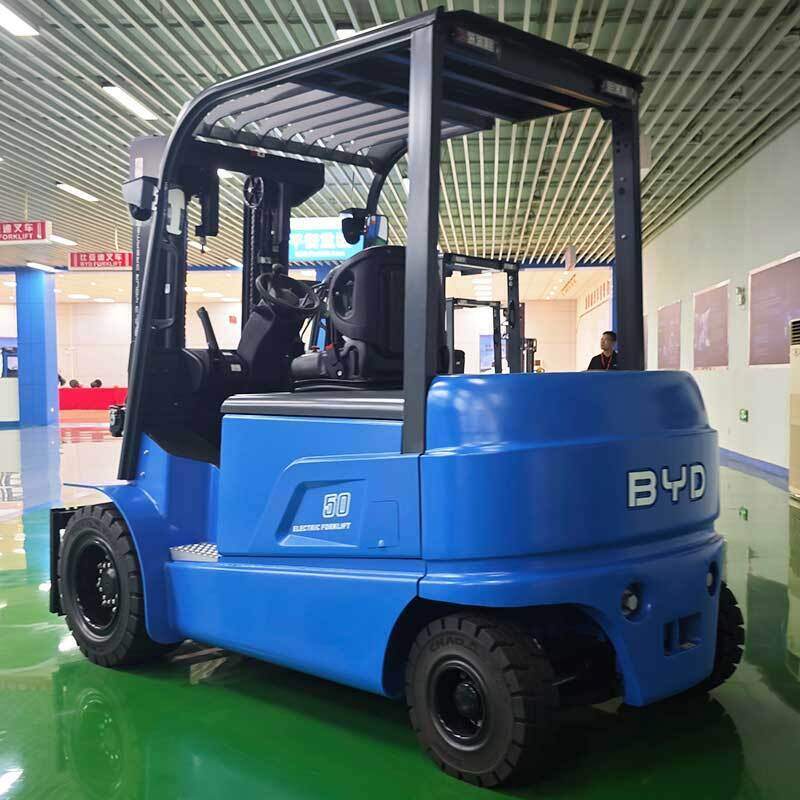
OSHA’s general industry and warehouse safety standards mandate structured, role-specific training for all powered industrial truck operators, and extra targeted modules are required to address unique hazards associated with lithium-ion powered forklifts that differ from traditional lead-acid models. Proper aligned training not only helps facilities pass routine regulatory audits, but also reduces avoidable workplace incidents that could cause property damage or personal injury.
The first core training topic is lithium-ion forklift specific pre-shift inspection protocols. Trainees will learn to perform systematic checks that go beyond standard forklift brake, steering and fork condition inspections, including assessing the battery outer casing for cracks, bulges or visible scratches, verifying all charging port covers are intact and no loose wires are exposed, and confirming the battery status indicator displays normal working temperature before the forklift is put into operation. Operators are trained to report any abnormal signs immediately to on-site safety supervisors, rather than attempting to fix minor defects on their own.
The second critical training module covers lithium-ion battery handling and designated charging area rules. Trainees will learn that lithium-ion forklifts can only be charged in pre-approved, well-ventilated zones equipped with proper fire suppression tools, they must never use non-matched charging equipment to top up the battery, and they should never leave a charging unit unattended for extended periods without scheduled check-ins. Trainees are also informed that they are not allowed to remove or disassemble the sealed lithium battery packs without explicit permission from certified maintenance teams.
Third, operators must complete full hazard recognition and lithium battery related emergency response training. They will learn to identify early warning signs of battery malfunction, including unusual hissing, unexpected odor or slight fume release, master proper evacuation procedures to clear the surrounding area quickly once abnormal signs are confirmed, and know which type of fire suppression tools are suitable for initial response without putting themselves at unnecessary risk. They also need to master the standardized reporting process to alert on-site emergency responders as soon as possible.
The last required training topic is operational adaptation for lithium-ion forklift models. The weight distribution of lithium-ion battery packs differs significantly from traditional lead-acid units, so operators are trained to adjust their driving speed, turning radius and load distribution habits accordingly, avoid hard impacts on the side of the forklift where the battery pack is mounted, and follow site-specific speed limits in narrow aisle areas to minimize collision risks. All trainees are required to complete regular refresh training at least on an annual basis, to stay updated on latest safety rules and site layout changes.


