
 English
 简体中文
简体中文 Русский
 Português
 Español
 لالعربية

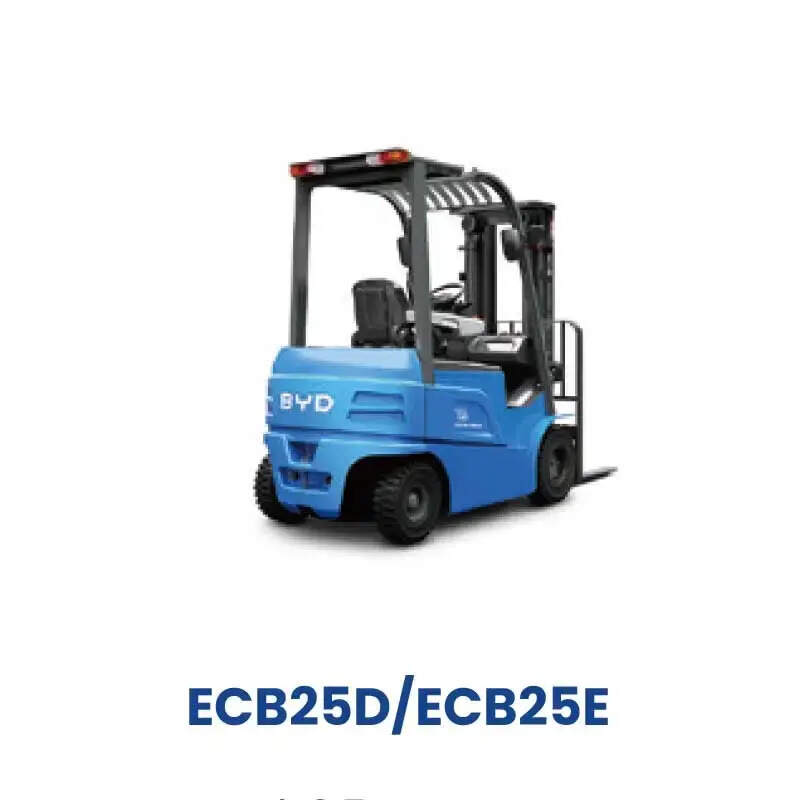
For multi-site enterprises spanning manufacturing, retail distribution and third-party logistics sectors, rolling out a unified electric pallet truck fleet across all operation locations has become a core move to standardize material handling workflows, cut redundant operation costs and reduce carbon footprint. Different from scattered site-level procurement that often leads to mismatched equipment parameters, incompatible spare parts and fragmented after-sales support, the unified procurement mode requires systematic planning from the initial stage to avoid unnecessary resource waste.
First of all, it is necessary to complete full-scope demand investigation and parameter alignment across all sites before launching the formal procurement process. The procurement team should collect first-hand operation data of each location, including average daily handling volume, maximum load weight demand, working aisle width, existing charging infrastructure conditions and special operation scenarios such as low-temperature cold storage or narrow aisle goods transfer, then summarize a set of unified core parameter specifications that can cover more than 80% of common operation scenarios, and reserve a small amount of flexible adaptation space for a few special sites, to ensure that all purchased electric pallet trucks share more than 90% of common spare parts.
Secondly, the procurement team should adopt total lifecycle cost accounting instead of only focusing on the initial unit purchase price. The overall cost of the unified fleet includes not only the equipment procurement cost, but also the input of supporting charging piles, the training cost of operation and maintenance personnel across sites, the average failure maintenance cost within the service cycle, the residual value of the equipment after scrapping, and other hidden expenditures. Leveraging the scale advantage of unified bulk procurement, enterprises can negotiate more reasonable overall cost terms with suppliers, so as to reduce the long-term operation expenditure of the entire fleet.
Thirdly, arrange phased pilot operation before full rollout. The enterprise can select 2 to 3 representative sites with different operation attributes to launch a 2 to 3 month pilot test, track the actual running data of the trial equipment, collect feedback from frontline operators and site maintenance personnel, adjust the parameter details and supporting scheme according to the practical problems found in the pilot phase, and then carry out full-volume procurement and deployment to avoid mass adaptation problems that may cause large economic losses.
Finally, the procurement contract should clarify cross-site supporting service clauses in advance. Uniformly stipulate the response time of on-site maintenance, the layout of regional spare parts warehouses, and the unified skill certification system for operators, to ensure that all sites can get consistent support for equipment fault handling, personnel training and daily maintenance, and give full play to the management advantage of the unified fleet.


