
 English
 简体中文
简体中文 Русский
 Português
 Español
 لالعربية

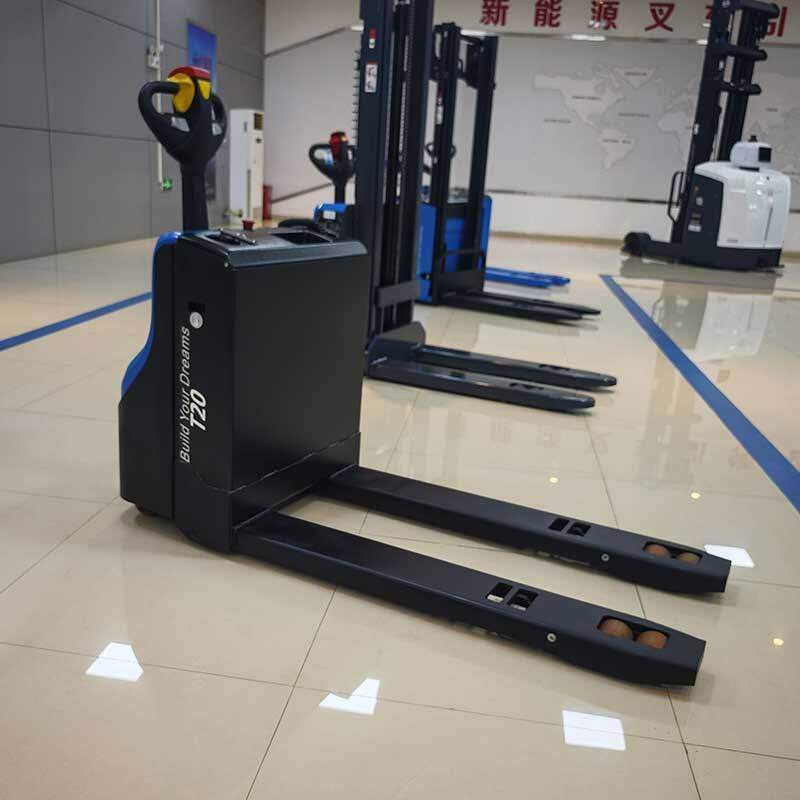
Electric forklift charging areas are high-traffic zones in most industrial and warehouse facilities, where slip and trip incidents rank among the most common preventable workplace injuries. Even minor slips or trips can lead to secondary crashes, damage to charging equipment, and unexpected operational downtime, so targeted regular management on these zones delivers steady safety improvement for on-site teams.
First of all, routine environmental inspection is the core of daily risk control. Operators should check the ground condition of charging areas before every shift, to remove any spilled electrolyte, leaked cooling liquid, residual water or other wet residues in time with professional non-corrosive absorbent materials, no wet traces are allowed to be left on walking or vehicle passing paths. All power cables for charging equipment should be fixed along wall surfaces or covered with heavy-duty protective cable trays, no loose cables are allowed to be scattered across open paths that can trip passing staff or forklift operators. All sundries including discarded packaging, idle maintenance tools, empty containers should be removed from the charging zone immediately after use, no stacked objects are allowed on the designated passing routes.
Secondly, standardized operation rules can effectively reduce human-induced risks. The charging area should be clearly divided into independent operation zone and public passing channel with obvious visual warning signs, unrelated personnel are not allowed to enter the operation zone without permission. All staff that need to enter the charging area must wear qualified non-slip work shoes, and avoid running or rushing in this zone to reduce the possibility of slipping on occasional wet traces. Management teams can arrange regular short-term safety training for all related personnel, to make every participant aware of the potential slip and trip risks in charging areas and master basic emergency handling skills after accidental slips.
Thirdly, periodic maintenance and repair work can eliminate hidden structural risks. The ground surface of the charging area should be inspected every month, any worn anti-slip coating, cracked concrete, raised pavement edge should be repaired in time, to avoid these uneven spots becoming hidden trip triggers. Non-slip rubber mats can be laid at key standing operating positions for charging staff, to further improve friction between footwear and ground surface. After each full shift, the on-site supervisor should conduct a final round check to confirm all cables are properly stored, ground condition is clean and no hidden risk is left for the next shift. Long-term consistent implementation of these simple, practical measures can help facilities effectively reduce slip and trip related incidents, build a more secure working environment for all forklift operators and warehouse staff.


