
 English
 简体中文
简体中文 Русский
 Português
 Español
 لالعربية

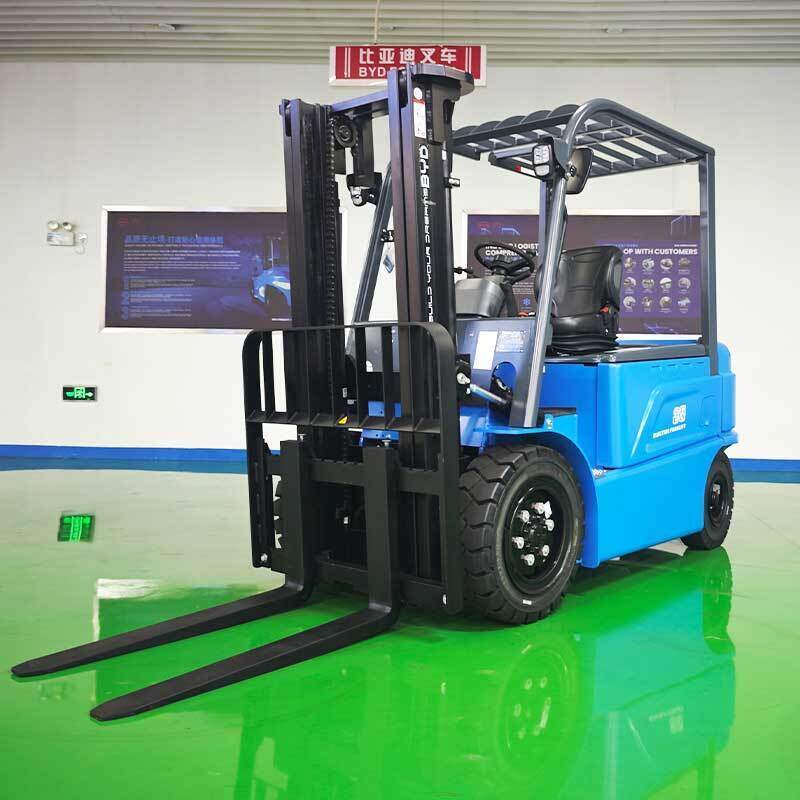
After submitting a lithium-ion forklift purchase order, many logistics and procurement teams may encounter unexpected demand adjustments due to changing on-site operation conditions, updated warehouse layout plans, or adjusted peak operation schedules. Improper handling of change-order requests will easily lead to unnecessary cost disputes, delivery delays, or mismatches between the final received equipment and actual usage demands, so a standardized, clear processing procedure plays a key role in ensuring the smooth implementation of the whole procurement project.
First, complete internal verification of the change-order request before contacting the supplier
Before sending any adjustment notice to the supplier, the procurement team should first confirm the full rationality of the change request. Every proposed adjustment item, no matter it is changing the load capacity of partial units, adding auxiliary functional accessories, advancing or postponing the agreed delivery date, or adjusting the after-sales service scope, should be verified with the frontline operation team to confirm it is a necessary demand that matches the long-term operation plan, instead of a temporary ungrounded adjustment. All adjustment contents should be recorded with clear, specific parameters to avoid vague descriptions that may cause subsequent misunderstandings.
Second, communicate the formal change notice to the supplier in written form promptly
After confirming the internal change demand is valid, do not send oral notifications to the supplier to avoid information deviation. You should sort out all detailed adjustment contents in formal written documents, and send them to the designated supplier contact person through the official agreed communication channel. In the meanwhile, you should clearly inquire about the current execution progress of the original purchase order, to confirm whether the relevant lithium-ion battery raw materials, vehicle accessories have been prepared, or whether the assembly process has been launched, to figure out the adjustable space of the current order.
Third, confirm all adjusted terms with the supplier and sign a formal change document
After aligning the adjustment feasibility with the supplier, both parties need to negotiate clearly about all influence brought by the change, including adjusted cost (if any), new delivery timeline, unchanged or updated warranty clauses, and other related details. All consensus contents should be recorded in a formal change order document, which should be confirmed by authorized representatives of both sides with official signatures or seals. No unwritten change agreement should be recognized, to eliminate potential disputes in subsequent execution.
Fourth, synchronize the updated order information to all relevant internal teams
After the change order takes effect, the procurement team should immediately share the updated order details with the finance team, warehouse management team, equipment maintenance team and receiving team, to make sure all relevant staff grasp the latest arrangement, and complete corresponding budget verification, site preparation and pre-receiving check work in advance. A complete closed-loop handling process can not only meet the actual operation demand of the enterprise, but also maintain a stable cooperative relationship with the supplier, reducing unnecessary loss for both sides.


