
 English
 简体中文
简体中文 Русский
 Português
 Español
 لالعربية

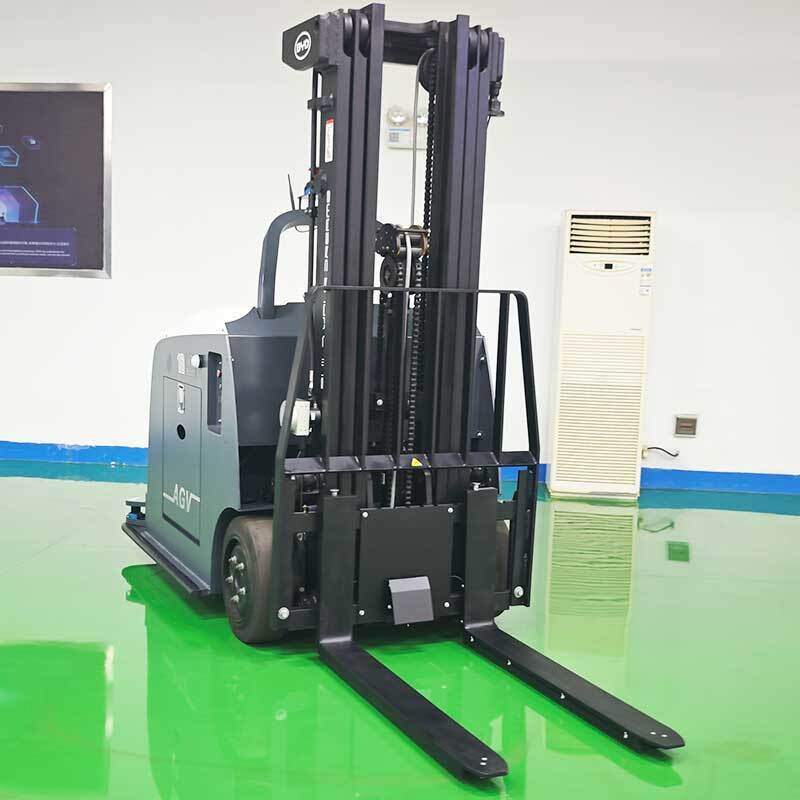
Many warehouse operators face regular operational challenges brought by fluctuating seasonal throughput, such as surging order volumes during holiday promotion cycles, agricultural harvest distribution seasons, or industry-specific peak delivery periods, while throughput may drop 40% to 60% in off-seasons. Choosing between rental lithium-ion forklift fleets and owned lithium-ion forklift equipment is a core decision that directly affects operational efficiency and total input cost.
For teams that choose rental lithium-ion forklift fleets as the core configuration, they do not need to bear large one-time upfront procurement costs. The rental service usually covers routine maintenance, battery performance inspection, and on-site troubleshooting support during the usage period, and no extra manpower arrangement is needed for daily equipment care. When the seasonal peak ends, operators can return the excess equipment they rent without paying extra idle period storage cost, or depreciation loss from unused assets. This mode is more suitable for warehouses where the high-throughput peak period lasts less than 3 months per year, and the operational demand for forklift usage is highly unpredictable for the next 12 months. For scenarios that require special parameter adjustments such as ultra-narrow aisle passing or special load weight limits, short-term rental can also avoid the risk of equipment mismatch caused by long-term fixed investment.
For teams that choose to configure core operational assets as owned lithium-ion forklift equipment, they can get lower long-term comprehensive cost when the annual high-throughput operation period lasts more than 8 months. Lithium-ion forklifts have stable cycle performance, no frequent battery replacement requirements, and operators can arrange the use schedule of all equipment completely independently without being restricted by rental period clauses or equipment return rules. The depreciation of owned equipment can be included in the enterprise’s asset accounting process, which can bring reasonable long-term cost allocation benefits. The internal operational team can also complete long-term standardized operation training for forklift drivers, to form more stable operation specifications for the whole material handling process. This mode is more suitable for warehouses that have confirmed stable annual basic throughput, and the seasonal fluctuation is a regular increase based on fixed basic business volume.
There is no uniform optimal solution for all scenarios. Most warehouse operators can also adopt a mixed configuration mode, which deploys a small batch of owned lithium-ion forklifts to cover the basic daily throughput demand, and supplements the excess demand in peak seasons with short-term rented equipment, to better balance cash flow pressure, operational flexibility and long-term usage efficiency. Operators can sort out the throughput fluctuation data of the past 2 to 3 years, count the duration and amplitude of each peak period, and combine with their own long-term business expansion plan, to select the most suitable fleet allocation scheme.


