
 English
 简体中文
简体中文 Русский
 Português
 Español
 لالعربية

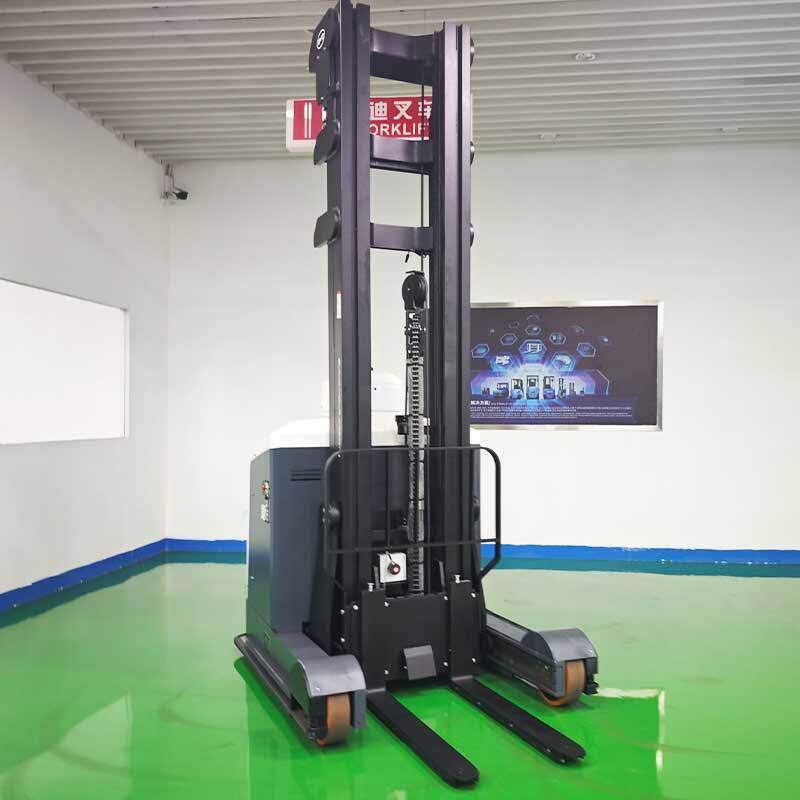
As more and more warehousing and logistics scenarios choose low-carbon, low-noise material handling solutions, electric forklifts have become one of the most widely used industrial handling equipment in recent years. Mastering correct use and maintenance methods can give full play to the inherent advantages of such equipment, and reduce unnecessary operation risks in daily work.
Core Performance Advantages of Electric Forklifts
Different from traditional internal combustion powered handling equipment, electric forklifts produce no exhaust emissions at the operation site, which is very suitable for closed storage spaces such as food warehouses, pharmaceutical storage areas and retail distribution centers. The power output of the electric drive system is smoother, and the noise generated during operation is much lower than that of fuel-powered equipment, which can reduce the noise interference to the working environment and the fatigue degree of operators after long-time work. Most models are equipped with shock-absorbing structures on the operation seat and gantry connection parts, which can maintain stable operation even on slightly uneven ground.
Standard Daily Operation Norms
Before starting the equipment every time, operators need to check the braking sensitivity, residual power level, and sealing status of hydraulic components, to avoid hidden risks caused by untested parts. During the driving process, keep a safe distance from surrounding pedestrians and storage racks, do not carry out over-limit loading operations that exceed the rated load of the equipment. When driving on a ramp, keep the load end facing the uphill direction, maintain a low and stable speed, and do not turn or unload goods on the slope. When the equipment is not in use for a short time, do not hang heavy objects on the gantry for a long time, and cut off the main power supply after the daily work is completed.
Scientific Daily Maintenance Methods
Regularly check the connection terminals of the power system to avoid poor contact caused by dust or oxide accumulation. The charging process should be carried out in a dry and ventilated area, and do not store the equipment in a long-term humid environment to prevent corrosion of the internal circuit components. Add lubricating oil to the gantry guide rail and transmission parts on a regular schedule, check the wear degree of the walking tires, and replace the worn parts in time when the wear depth exceeds the specified range. When abnormal noise or abnormal response of components is found, contact professional maintenance personnel for troubleshooting, and do not disassemble the core electronic control components without professional guidance.


