
 English
 简体中文
简体中文 Русский
 Português
 Español
 لالعربية

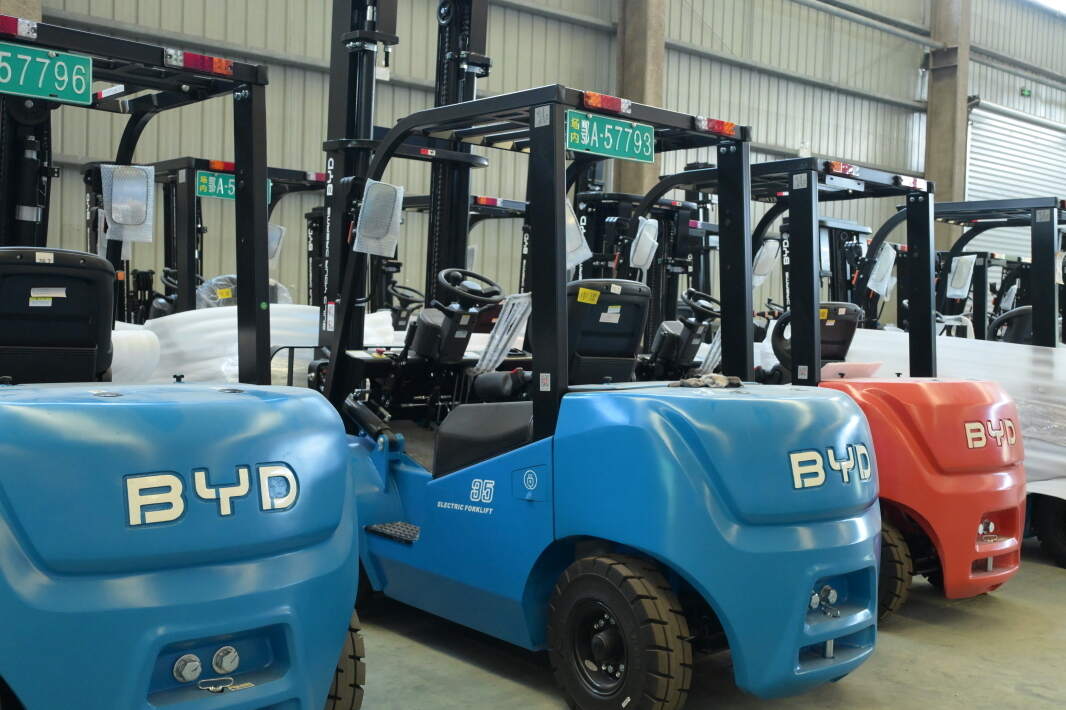
As electric material handling equipment gains wider adoption across logistics, manufacturing and storage sectors, the tire configuration of electric forklifts has become a core factor that directly affects operation flexibility, service life and scenario adaptability. Many operation teams often face confusion when choosing between pneumatic tire and cushion tire electric forklifts, as improper selection may lead to extra wear of equipment, reduced work efficiency and even potential safety risks in daily operation.
Pneumatic tire electric forklifts are equipped with inflatable rubber tires with deep, textured treads. The cushioning effect from the internal air layer effectively absorbs vibration generated when driving on uneven roads, so this type of forklift shows good adaptability in outdoor working environments. It can run stably on common outdoor ground including textured pavement, gravel yards, and slightly sloped working areas, and its relatively high ground clearance helps avoid tire scratch on uneven raised obstacles. For long-time outdoor operation, this tire structure also reduces the bumping force transferred to the goods on forks, lowering the possibility of damage to fragile cargos. Due to the structural features of pneumatic tires, the whole vehicle has a slightly larger body width and turning radius, which makes it less flexible when traveling in narrow indoor aisle with compact shelf layout, and the deep tread may carry gravel and dirt from outdoor areas to pollute clean indoor floors.
Cushion tire electric forklifts use solid smooth rubber tires with low profile design. The whole vehicle has smaller ground clearance and more compact body size, which supports smaller turning radius to fit narrow indoor working scenes. Running on flat epoxy floors or hard concrete floors in warehouses, this kind of forklift will not leave obvious tire marks on the ground, and there is no risk of tire puncture or air leakage in daily use, which reduces regular maintenance work for the operation team. The hard solid tire structure does not have extra cushioning layers, so it is not suitable for long-distance driving on uneven outdoor roads. Bumps generated on unsmooth ground may cause abrasion to the tire surface and bring unstable load status, and the relatively smooth tread may provide insufficient friction force on wet outdoor pavements.
For most operation teams, it is reasonable to make selection according to the proportion of indoor and outdoor working hours. Teams that take outdoor stacking and transfer as main tasks can prioritize pneumatic tire electric forklifts, while teams that focus on high-density indoor storage operation can choose cushion tire electric forklifts to get matching use effect.


