
 English
 简体中文
简体中文 Русский
 Português
 Español
 لالعربية

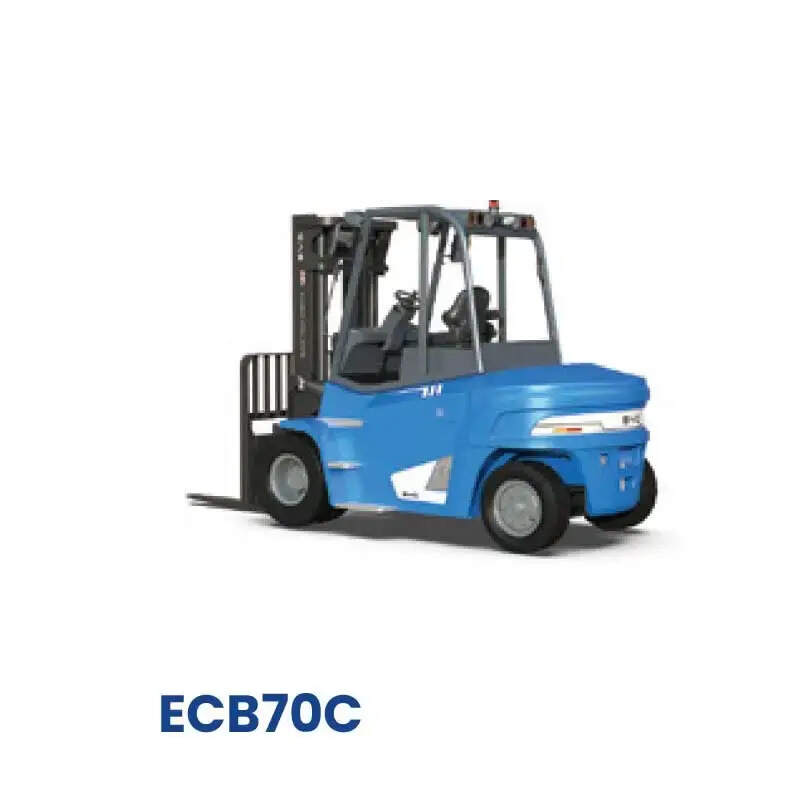
With the continuous promotion of low-carbon logistics solutions across the material handling sector, electric forklifts have become one of the most widely adopted pieces of equipment for indoor warehouses, distribution centers and light industrial operation zones. Many frontline operators and facility managers still lack systematic, practical guidance to tap the full value of their electric forklift fleets, avoiding unnecessary downtime and extra operating costs.
Core Operating Specifications to Extend Electric Forklift Service Life
Unlike internal combustion counterparts, electric forklifts rely on precise power system components that respond more sensitively to non-standard operation habits. Operators should complete full pre-start checks including brake responsiveness, power level indicator accuracy and lifting mechanism flexibility before each shift, rather than directly starting operation without inspection. It is not recommended to carry loads beyond the rated load range for a long time, and frequent sharp acceleration or emergency braking in narrow warehouse aisles should also be reduced, to avoid extra wear on the motor and power transmission parts. Operators should also keep a clear line of sight during moving, and adjust operation posture properly when handling high stacked goods to avoid accidental collision with surrounding shelves or facility facilities.
Key Daily Maintenance Points for Long-Term Stable Performance
Routine maintenance of electric forklifts focuses on the power system and electrical contact parts. For battery packs, operators should follow the official recommended charging cycle, avoid full discharge before recharging as much as possible, and keep the surface of the battery pack dry and clean to prevent dust accumulation from affecting heat dissipation. The electrical connection points should be inspected regularly to confirm no loose or corroded parts, and the whole vehicle should be placed in a cool, ventilated dry area when not in use for more than 48 hours, to avoid long-term exposure to high temperature or humid environment that may cause component aging. The worn parts of the walking mechanism should also be checked periodically, and timely replacement of severely abraded accessories can reduce hidden safety risks in daily operation.
Scenario Adaptation Tips to Boost Overall Operational Efficiency
Different working scenarios have different requirements for electric forklift configuration adjustment. For high-density narrow aisle operation, operators can adjust the speed limit setting appropriately to match the surrounding personnel passing rules, to balance operation speed and site safety. For frequent lifting operations over 3 meters, regular check of the hydraulic lifting system sealing parts can reduce the probability of oil leakage, ensuring stable and smooth lifting and lowering movement. Proper matching of operating habits and scenario characteristics can effectively improve the average daily working efficiency of the electric forklift fleet, and reduce unnecessary energy consumption. Following the above practical guidance can help most logistics and manufacturing facility teams get more stable output from their electric forklift fleets, creating more reliable value for daily material handling work.


