
 English
 简体中文
简体中文 Русский
 Português
 Español
 لالعربية

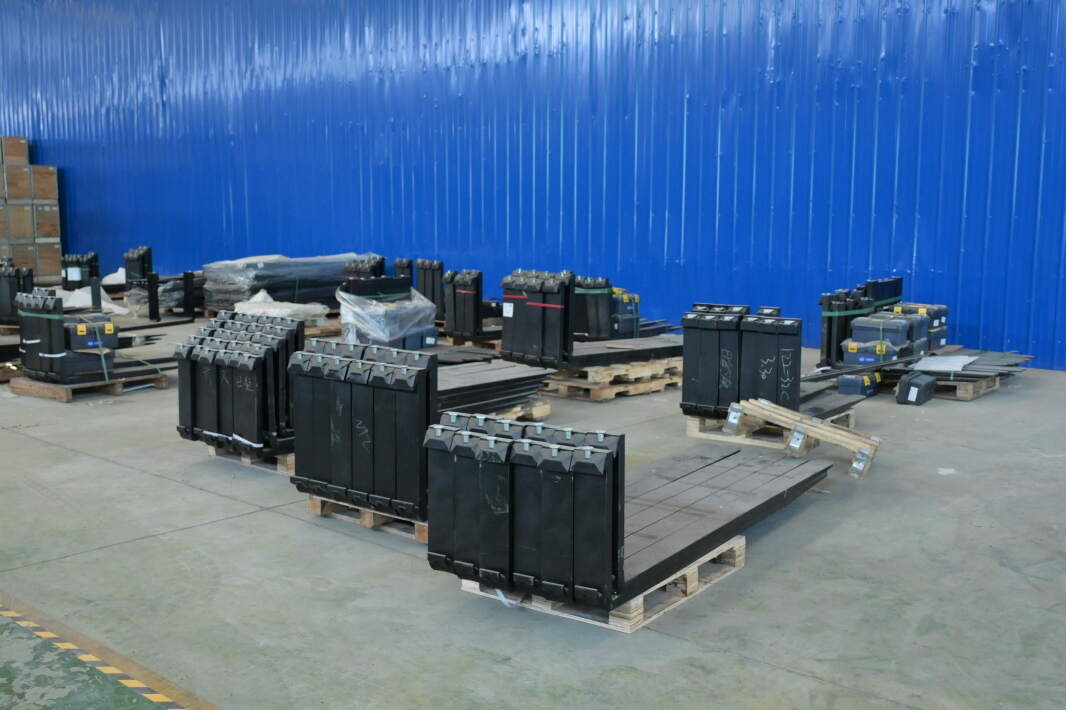
Against the backdrop of growing demand for low-carbon, low-noise material handling solutions in the global logistics and storage sector, electric forklifts have gradually become one of the most widely used core equipment in indoor warehouse operation scenarios. Reasonable cognition of its performance characteristics, operation specifications and maintenance points can help relevant enterprises give full play to the value of the equipment and create more stable operation benefits.
Core Advantages of Electric Forklifts in Common Operation Scenarios
Different from fuel-powered handling equipment, electric forklifts produce no exhaust emission at the operation site, which can well meet the environmental access requirements of enclosed storage spaces such as food warehouses, pharmaceutical storage areas and fresh commodity distribution centers. The noise generated during the driving and lifting process is usually at a relatively low level, which will not cause continuous noise interference to other staff working in the same operation area. The vibration of the body is also effectively controlled, which can reduce the fatigue degree of operators after long-term continuous duty.
Standard Operation Norms for On-site Operators
Before starting each shift, operators need to complete necessary pre-inspection work, including checking the remaining battery power, the sensitivity of the braking and steering system, the wear state of the fork structure, and the smoothness of the lifting hydraulic structure. During the operation process, users should not exceed the rated load limit marked on the equipment, and no personnel are allowed to stand or walk under the lifting forks for safety concerns. When passing through narrow aisles, turning positions or crossing the working area of other personnel, operators should slow down in advance and send out clear warning signals. When the equipment is parked on non-horizontal roads, the tire anti-slip limit device should be placed in place.
Basic Daily Maintenance Suggestions
After the daily operation is completed, the body surface and the peripheral part of the battery can be cleaned in time to avoid the accumulation of dust, sundries and spilled liquid. Operators need to follow the official suggested charging process to charge the equipment, and avoid long-term over-discharge of the battery pack as much as possible. Regular inspection of tire wear, hydraulic pipeline sealing state and connection tightness of electrical components can help to find hidden minor faults in time, avoid sudden equipment shutdown that affects the overall operation rhythm. Proper operation and routine maintenance can effectively extend the service life of electric forklifts, and support the stable operation of the whole warehouse material handling system.


