
 English
 简体中文
简体中文 Русский
 Português
 Español
 لالعربية

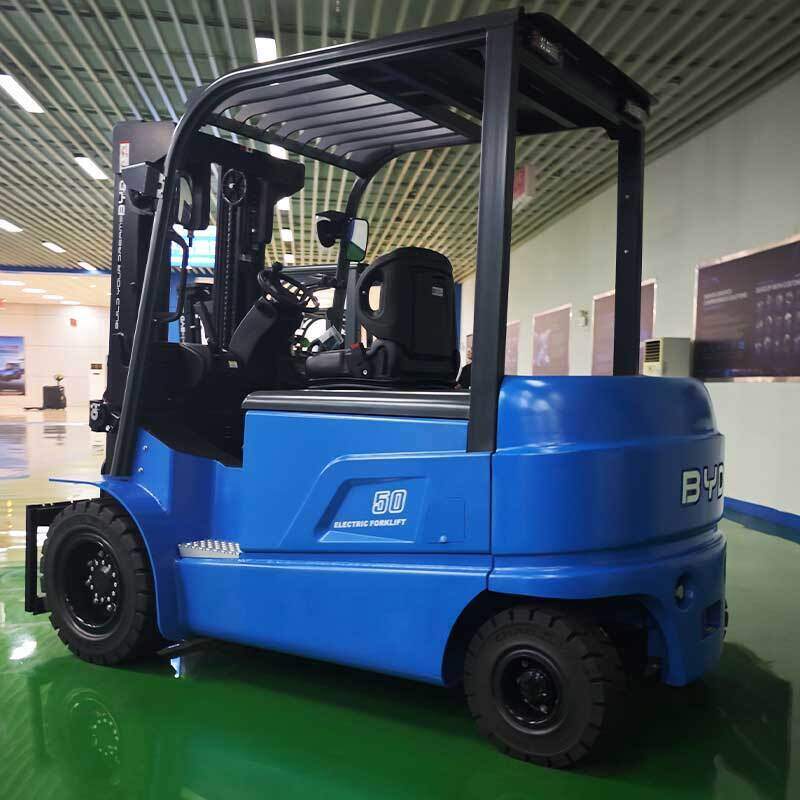
As low-carbon logistics development accelerates across the global industrial sector, electric forklifts have become a widely adopted core equipment for indoor and outdoor material handling scenarios, bringing distinct advantages in low noise, zero on-site emissions and flexible operation compared with traditional internal combustion counterparts.
Core Operational Features of Modern Electric Forklifts
Most current electric forklift models are designed with ergonomic control systems, which reduce operator fatigue during long shifts by optimizing the layout of operating levers, seat support and full view visibility fields. The load capacity range covers common working demands from 1 ton to 5 tons, suitable for operations in narrow aisle warehouses, manufacturing workshops, cargo distribution stations and other scenarios. The low center of gravity design ensures stable performance when lifting loads to different heights, meeting most routine material stacking and moving requirements without extra modification for general scenarios.
Routine Maintenance Protocols for Extended Service Life
Standardized daily maintenance helps reduce unexpected equipment downtime effectively. Operators need to conduct pre-shift checks on power system status, brake sensitivity, tire wear and fork surface condition before starting each shift, and record abnormal conditions for timely processing by professional technicians. Regular cleaning of the power unit heat dissipation structure and electrode contact points can avoid unnecessary energy loss caused by dust accumulation, while following the official recommended charging rules can extend the overall cycle life of the power battery pack. Operators should also arrange regular professional inspections for key transmission components to eliminate potential hidden risks in advance.
Energy Efficiency Optimization Strategies for Daily Application
Reasonable operation habits can further reduce the overall operating cost of electric forklifts. Planning the handling route in advance to avoid repeated round trips can reduce unnecessary power consumption, while controlling the moving speed within a reasonable range according to site road conditions can also improve the utilization rate of electric energy. For long-term idle scenarios, operators should turn off the equipment power in time to avoid invalid power loss, and arrange proper temperature control for the storage environment of the power unit during extreme high or low temperature weather, to keep the equipment operating within the optimal performance range. When combined with standardized operation and targeted maintenance, electric forklifts can deliver stable performance output for a long time, supporting the efficient operation of the whole material handling link for relevant industrial users.


