
 English
 简体中文
 Русский
 Português
 Español
 لالعربية


In various industrial operation scenarios across Moundou, ranging from urban distribution warehouses, port cargo transfer yards to building material storage sites, triplex mast forklifts are widely favored for their high lifting height and flexible operation performance. Many local operation teams face the common puzzle of choosing between lithium-ion battery models and lead-acid battery models when purchasing such equipment, and most of them only refer to the initial purchase price to make decisions, ignoring the hidden cost expenditure in the full service cycle.
First, we start with the initial input cost dimension for analysis. Under the same load capacity, same maximum lifting height and equivalent basic chassis configuration, the lead-acid triplex mast forklift usually shows a lower marked price at the initial purchase stage. However, most users easily ignore the supporting facilities needed for the normal operation of lead-acid batteries: a dedicated independent charging room with good ventilation, acid leakage prevention and fire protection configuration, special mobile devices for replacing heavy batteries, and constant voltage stabilization devices adapted to the local power supply characteristics of Moundou. These supporting facilities will bring extra unplanned expenditure, which often accounts for 10% to 15% of the initial vehicle purchase cost.
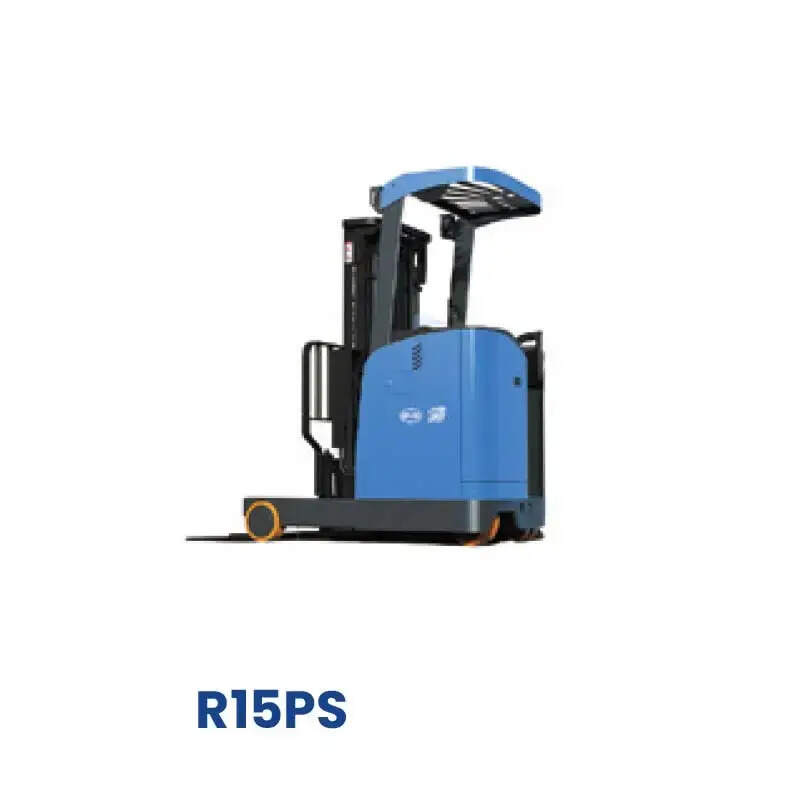
Then we look at the daily operation cost in the service cycle. The local climate of Moundou is relatively hot, which accelerates the water loss rate of lead-acid batteries by about 30% compared with areas with mild temperature. Operators need to arrange special personnel to add distilled water to lead-acid batteries every week, regularly clean the electrodes, check the acid liquid sealing state, and arrange enough cooling time after each full charge. For operation teams that adopt two-shift or three-shift working system, they even need to purchase 1 to 2 spare lead-acid batteries to support continuous operation, which will further increase the amortization cost. In contrast, lithium-ion triplex mast forklifts support opportunity charging, which can be supplemented for 15 to 30 minutes during the break of operation, no extra standby battery is required, and no daily water replenishment and electrode cleaning maintenance work is needed, the annual maintenance cost is only about 20% of that of lead-acid models.
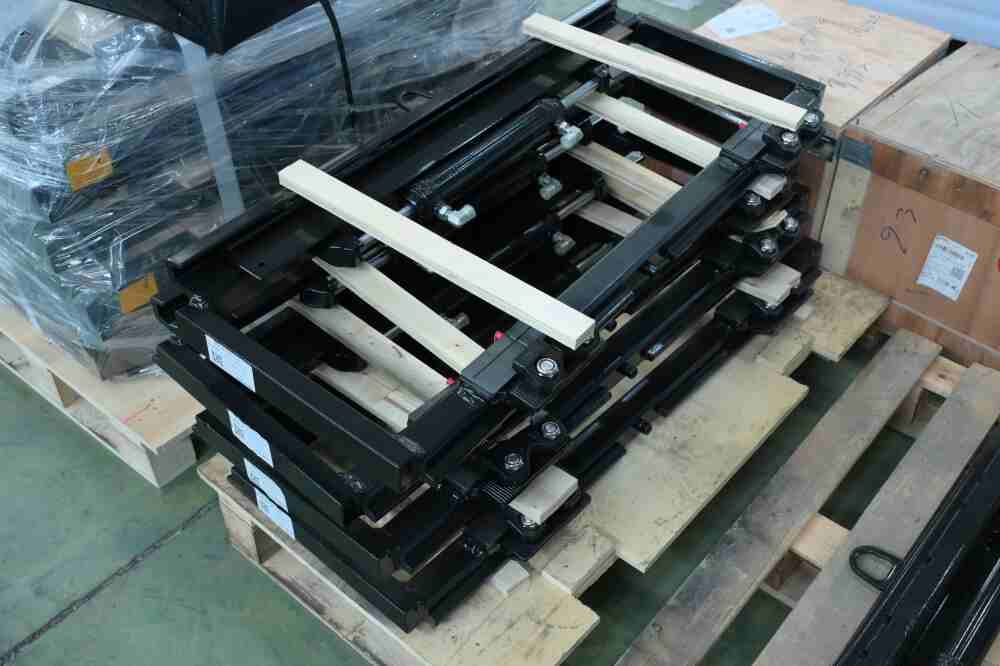
From the perspective of full lifecycle cost accounting, the cycle life of lithium-ion batteries is 3 to 4 times that of standard lead-acid batteries under normal use conditions. For operation teams that use forklifts for more than 1500 hours per year, the comprehensive use cost per hour of lithium-ion models will show more obvious advantages after 1 to 2 years of use.
As Jian Shu New Energy, we focus on BYD electric forklifts, and can provide local users in Moundou with free on-site working condition survey, customized configuration selection scheme and after-sales support. If you have relevant demand for triplex mast forklift configuration selection, you can send email to [email protected] for consultation.
When making the final purchase decision, it is recommended that you fully combine your own working hours, site conditions, long-term operation planning to calculate the comprehensive cost, so as to select the most suitable equipment solution for your operation.


