English
 简体中文
 Русский
 Português
 Español
 لالعربية


With the continuous expansion of logistics, manufacturing and e-commerce sectors in Lagos, the demand for reliable electric stackers for indoor and yard material handling has kept growing in recent years. Most local operators face a common confusion when selecting equipment: choosing lithium-ion battery powered models or traditional lead-acid battery units, and many make decisions only by comparing the upfront procurement price, which often leads to unexpected extra expenditure in later operation stages. A full range cost assessment covering the whole usage cycle can help local users make more reasonable choice that matches their actual working scenarios.
For the initial procurement cost part, lithium-ion powered electric stackers of the same load and lifting specification usually have a higher upfront price than lead-acid counterparts. Many small and medium sized operators with limited short-term budget tend to prioritize lead-acid units at the first glance, but they often ignore the unique operating conditions in Lagos, including long time high temperature weather, large humidity fluctuation and the multi-shift operation requirement in most busy port yards, distribution centers and fast-turnover warehouses. These local features will amplify the difference of comprehensive cost between the two battery types.
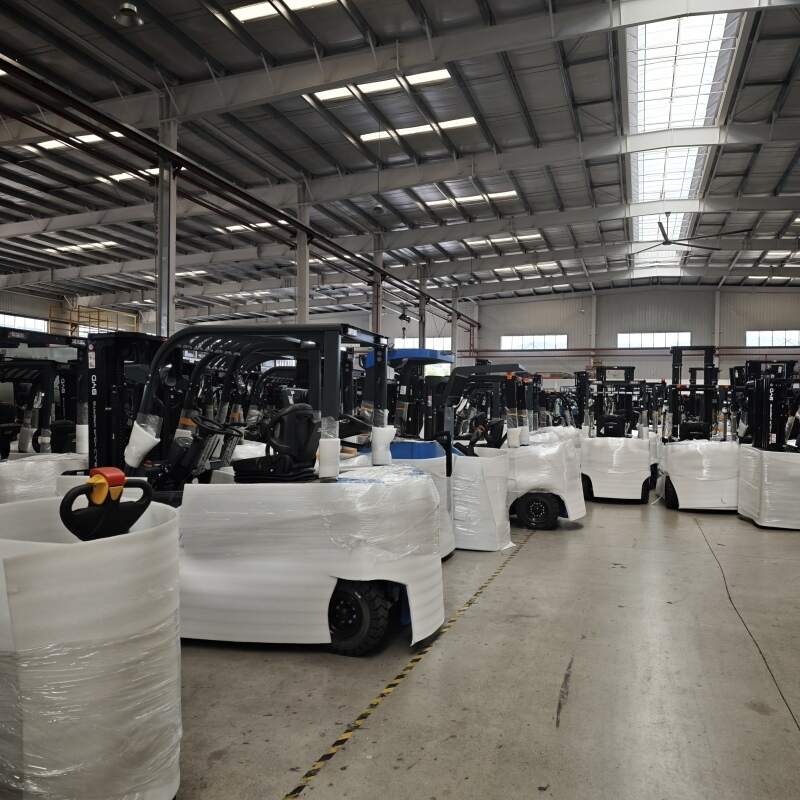
When it comes to daily operating cost, the first notable gap lies in power consumption efficiency. The energy conversion efficiency of lead-acid batteries stays at around 70% in normal working conditions, while qualified lithium-ion batteries can reach 95% or higher efficiency. For the same loading and lifting workload, lithium-ion stackers consume far less electricity, which brings continuous savings considering the recent fluctuation trend of local industrial electricity price in Lagos. The second gap comes from maintenance and replacement cost. Lead-acid batteries need regular daily maintenance including electrolyte top-up, density check and balanced charge, and their service span in local high temperature scenarios is usually only 2 to 3 years before full group replacement. Lithium-ion batteries require no daily fluid top-up work, and their normal cycle life is 3 to 4 times longer than standard lead-acid products. Operators also need to notice the hidden cost: lead-acid battery charging requires independent, well-ventilated dedicated area, which takes up valuable storage space in Lagos central districts where warehouse rent keeps rising year by year.
For most local users whose stackers run more than 4 hours per working day, including port terminal operators, e-commerce sorting centers and FMCG warehouses, the price gap of upfront procurement between lithium-ion and lead-acid stackers can be fully recovered within 2 to 3 years through accumulated operation cost saving, and the total expenditure in 5-year full usage cycle will be significantly lower than choosing lead-acid units.
As Jian Shu New Energy, we focus on BYD electric forklift products, and provide tailored scenario matching consultation for local Lagos material handling users. If you need a more precise cost estimation based on your actual operation condition, you can send emails to [email protected] for further communication.