
 English
 简体中文
简体中文 Русский
 Português
 Español
 لالعربية

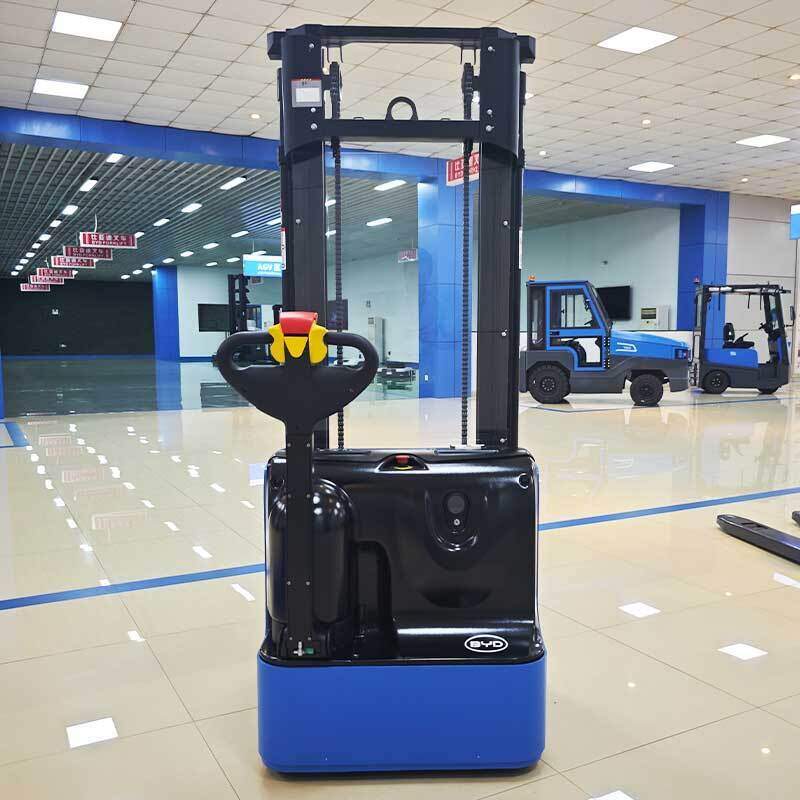
The global shift toward low-carbon and intelligent logistics systems has pushed electric forklift adoption to a steady upward trend in recent years. Unlike traditional internal combustion forklifts that rely on fossil fuel, electric models feature simpler power systems, lower noise emission, zero on-site exhaust and more integrated digital operation modules, which are not only upgrading the overall efficiency of warehouse and distribution scenarios, but also bringing profound changes to the skill requirements of frontline logistics practitioners.
First, the core operation competency of forklift operators has shifted from pure mechanical control to digital scenario perception. In the past, operators only needed to master basic driving and cargo stacking skills, and spend extra time learning to adjust fuel supply parameters, deal with common carbon deposition failures of engines. Nowadays, most electric forklifts are equipped with intelligent display screens that show remaining battery level, real-time load weight, operation trace data and safety reminder alerts. Workers need to get familiar with basic data reading methods, adjust operation modes according to different cargo types and residual power conditions, to avoid unexpected power outage during high-intensity peak operation periods. Many logistics teams have added special training sessions for human-machine interaction with electric forklifts, which effectively reduces the misoperation rate and extends the service life of equipment.
Second, the skill boundary of frontline maintenance personnel has expanded from traditional mechanical repair to new energy power module troubleshooting. The maintenance work for old fuel forklifts mainly focused on engine oil replacement, fuel line cleaning and exhaust system adjustment, while after the large-scale application of electric forklifts, maintenance staff need to master basic safety operation norms for lithium battery packs, circuit detection methods, and common fault diagnosis of motor driving systems. This change has pushed many logistics enterprises to launch targeted skill upgrading programs for existing maintenance teams, and also attracted more professional talents with new energy technology background to join the logistics workforce, optimizing the overall talent structure of the industry.
Third, the general awareness of low-carbon operation has become a necessary soft skill for all logistics practitioners. The promotion of electric forklifts is an important part of enterprises’ carbon reduction roadmap, and every operation behavior of forklift staff is related to the overall energy consumption level of the warehouse. For example, standardizing the parking position of electric forklifts to ensure timely charging, avoiding frequent sharp acceleration that increases power consumption, and reporting potential hidden dangers of power modules in time can effectively reduce the comprehensive operation cost of material handling links. More and more logistics teams have included low-carbon operation assessment into the daily performance evaluation system, guiding all staff to form good working habits that match the green development trend.
Looking ahead, with the continuous popularization of electric forklifts in more logistics scenarios, the iteration of workforce skills will continue to move toward the direction of integration of operation, digital application and low-carbon management, bringing new stable development momentum to the whole logistics industry.


