
 English
 简体中文
简体中文 Русский
 Português
 Español
 لالعربية

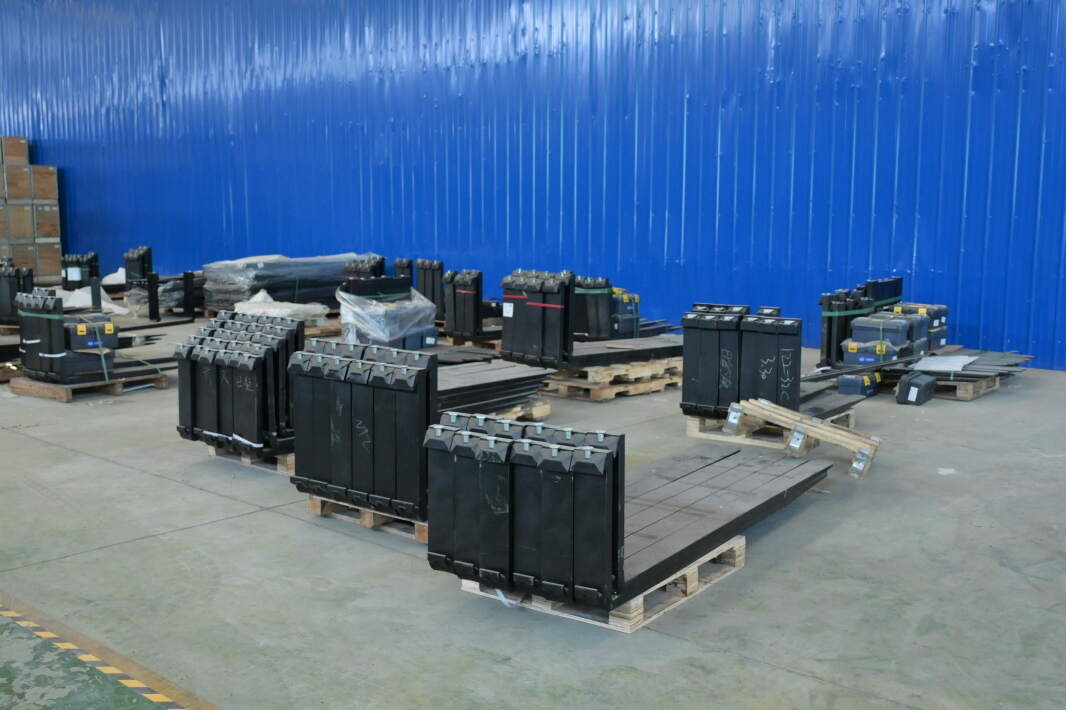
Against the general trend of low-carbon and efficient operation in the logistics and manufacturing sectors, electric forklifts have gradually become the mainstream choice for on-site material handling in most industrial scenarios. A full grasp of professional knowledge about matching, operation and maintenance of such equipment can help relevant practitioners give full play to the equipment’s inherent value without extra unnecessary cost input.
Performance Matching for Different Operation Scenarios
Before putting electric forklifts into formal use, operators need to make clear the actual demands of specific working scenarios to select proper configuration parameters. For narrow aisle storage scenarios that require high-position cargo access, models with compact body size and stable lifting performance can be preferred to adapt to limited working space. For scenarios with high frequency of heavy load short-distance transfer, users can choose products with matched rated load and sufficient battery reserve, to avoid long-term overloaded operation that may cause extra wear of power components. For scenarios with high requirements for no exhaust emission, such as food processing and cold storage, electric forklifts can well meet relevant industry access requirements with their non-emission operation characteristics.
Routine Maintenance Strategies to Reduce Failure Risks
Standard daily maintenance work can effectively extend the service life of electric forklifts and reduce unexpected downtime. Before each shift, operators can carry out simple inspection work, including checking the remaining battery level, the cleanliness of electrode contacts, the flexibility of braking and steering systems, to find potential hidden problems in time. After the daily operation, users can clean up the dust and debris accumulated in the body gap, avoid long-term water vapor erosion of the internal circuit system. During the charging process, follow the official recommended operation process, avoid over-discharging the battery before recharging, and do not leave the equipment in full power state for a long time when it is idle, so as to keep the battery module in good working condition for a long time.
Standardized Operation Specifications to Guarantee On-site Safety
Operators need to receive complete professional operation training before using electric forklifts, and get familiar with the response logic of different function modules of the equipment. In the process of on-site operation, keep focused, pay real-time attention to surrounding pedestrians and obstacles, and maintain a stable driving speed when passing through ramp areas. Do not carry out sharp turn or sudden stop operation with heavy loads, and do not drive for a long distance when the goods are lifted to a high position, so as to avoid the risk of cargo falling and equipment tipping. Regularly carry out operation skill review, optimize daily operation habits, and gradually reduce the hidden safety risks in the on-site material handling process. With proper scenario matching, scientific maintenance and standardized operation, electric forklifts can bring stable and reliable support for the daily material handling work of different industrial entities.


