
 English
 简体中文
简体中文 Русский
 Português
 Español
 لالعربية

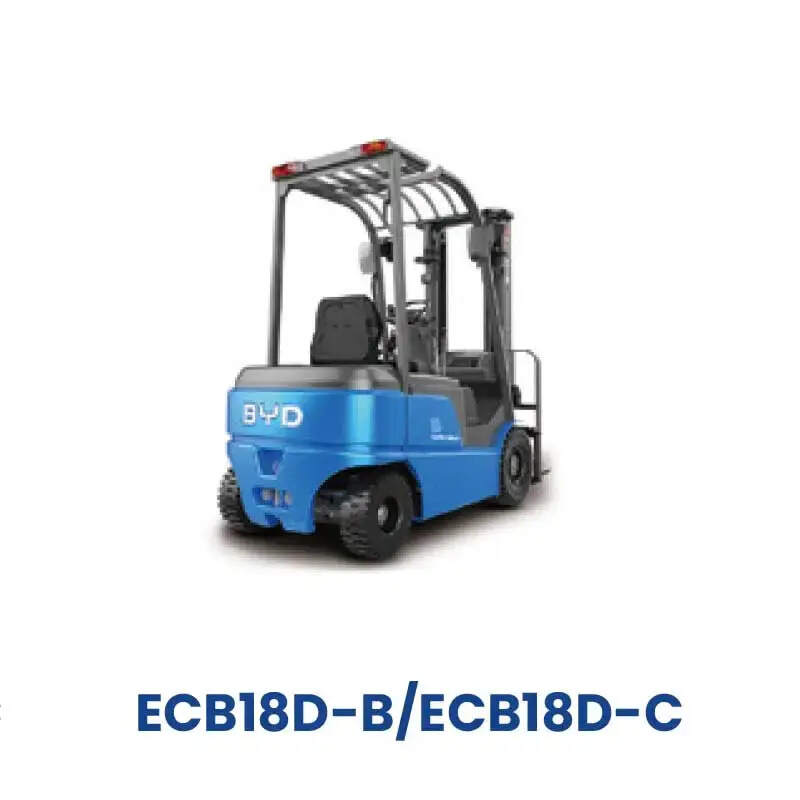
As the low-carbon logistics and manufacturing industry continues to develop, electric forklifts have become one of the most widely used material handling equipment in modern warehouses, processing workshops and distribution centers. Many frontline operators and enterprise managers still lack systematic cognition of the correct use and maintenance logic of such equipment, which easily leads to unplanned downtime and potential safety risks in daily operation.
Core Adaptation Logic of Electric Forklift Working Scenarios
Different from traditional internal combustion handling equipment, electric forklifts adapt to scenarios with high requirements for air quality and operation noise, such as closed food processing workshops, pharmaceutical storage areas, and indoor e-commerce sorting centers. Before putting the equipment into formal use, operation teams can confirm the matching degree between the equipment’s rated load capacity, maximum lifting height and the actual operation path width, goods stacking height, to avoid improper selection affecting the overall operation rhythm.
Standard Daily Maintenance Operation Points
Daily maintenance work can be divided into pre-shift inspection, in-shift patrol and post-shift maintenance. Before each shift, operators only need to check the remaining power of the power unit, the flexibility of the braking system, the integrity of the tire surface and the normal display of the instrument panel, to eliminate hidden dangers in time. After the operation task is completed, the equipment should be parked in the designated special area, the power supply can be supplemented according to the remaining power proportion, and the dust and debris attached to the surface of the equipment and the operating handle can be cleaned to keep the equipment in good condition.
Standardized Safety Operation Guidelines
In the operation process, operators need to strictly follow the operating procedures, avoid overloading the equipment beyond the rated load value, and do not carry irrelevant people on the fork arms during driving. When the equipment is running on the ramp section, keep the goods facing the upper slope direction to prevent the goods from slipping. When the operating vision is blocked by large-sized goods, the operators can drive the equipment in reverse direction under the condition of ensuring the surrounding safety, to reduce the risk of collision.
Long Term Use Cost Optimization Suggestions
Reasonable operation and standardized maintenance can effectively extend the service life of core components, reduce the frequency of parts replacement, and lower the overall operating cost in the full life cycle. Operation teams can arrange regular professional performance detection for the equipment according to the actual use frequency, to find potential minor faults in the early stage and avoid expanding into larger problems that require higher maintenance costs.


