
 English
 简体中文
 Русский
 Português
 Español
 لالعربية


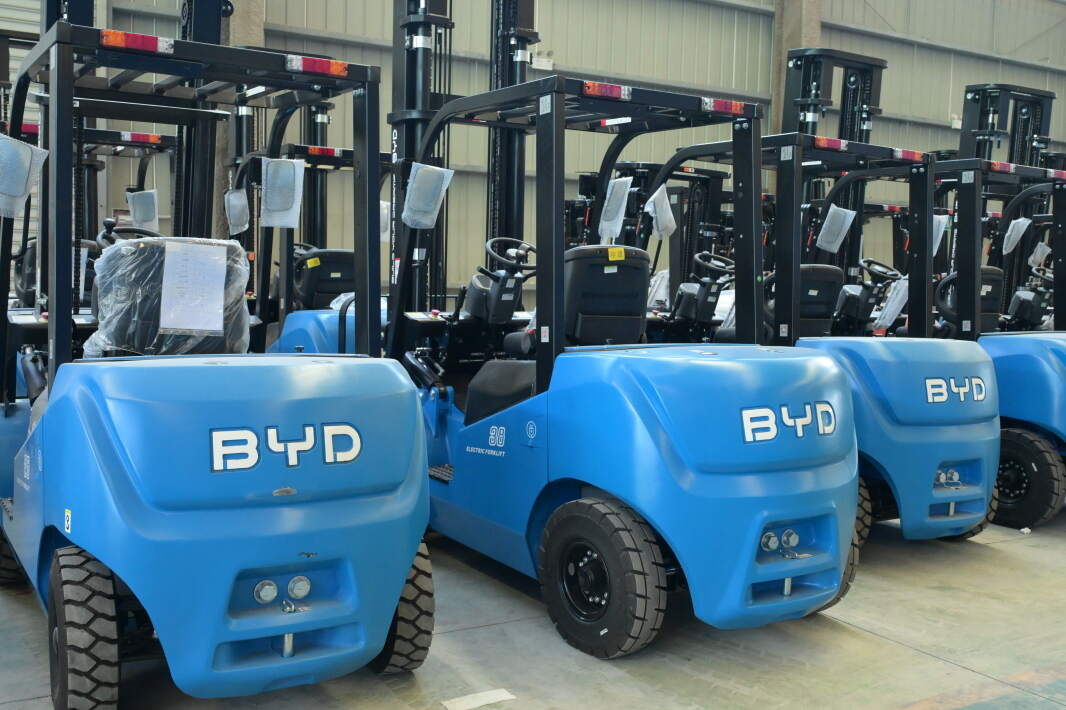
Against the backdrop of growing demand for low-carbon, cost-efficient warehouse logistics solutions, electric forklifts have emerged as a mainstream option for most material handling scenarios across different industries. Many operation teams still lack systematic, practical knowledge to fully leverage the value of this type of equipment, so this guide covers core practical points that are applicable for most common usage scenarios.
Core Advantages of Modern Electric Forklifts
Compared with traditional internal combustion counterparts, modern electric forklifts produce zero on-site exhaust emissions, which fits the environmental requirements of enclosed warehouse spaces, food processing zones and cold storage facilities. Their overall noise level during operation is significantly lower, which helps reduce noise disturbance for on-site staff and meets the occupational health requirements of long-hour shift work. The power consumption per unit operation is relatively stable, avoiding the fluctuation of fuel cost that is common for fuel-powered handling equipment, bringing more predictable budget arrangement for logistics management teams.
Standard Daily Maintenance Protocols
Routine check before each shift should cover the status of power connection parts, brake sensitivity, lifting chain tightness and tire wear condition, to eliminate hidden risks before formal operation. Users should follow the official guidance for regular power unit inspection, avoid over-discharging or over-charging the battery pack to extend its whole service cycle. The appearance and internal operation components should be cleaned on a set schedule, to prevent accumulated dust or sundries from affecting the normal operation of moving parts. All maintenance records can be sorted and stored for subsequent reference, to help track the equipment status change over long term usage.
Practical Optimization Tips for Operational Efficiency
Operation teams can arrange reasonable handling routes based on the load weight, passage width and cargo stacking height in the warehouse, to reduce unnecessary repeated travel and lower unnecessary power consumption. It is also suggested to arrange targeted training for on-site operators, to help them master the correct operation posture, load limit control and emergency response methods, further reduce equipment wear and lower the long-term operation cost. Teams can also make proper operation schedule to avoid concentrated continuous operation that exceeds the equipment recommended load duration, keeping the equipment in good working status for longer time.


