
 English
 简体中文
简体中文 Русский
 Português
 Español
 لالعربية

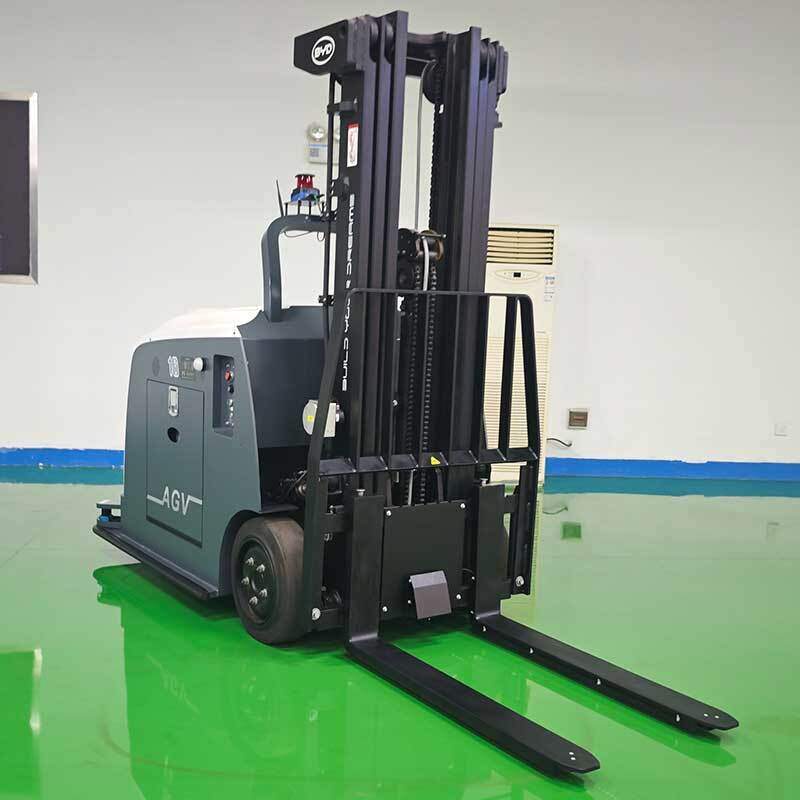
Against the background of low-carbon transformation of the global logistics industry, electric forklifts have become one of the most widely used core handling equipment in indoor and closed operation scenarios, with obvious advantages of low noise, zero local emission and relatively low long-term operation cost. For logistics park operators and warehouse managers, systematic mastery of relevant knowledge of electric forklifts can help maximize the use value of the equipment.
Core Application Scenarios of Electric Forklifts
Different from internal combustion handling equipment that has strict requirements for ventilation conditions, electric forklifts can adapt to multiple scenarios with strict environmental requirements. In narrow-aisle high-level shelf warehouses, compact-sized electric forklifts can smoothly complete the lifting and storage of goods without occupying extra operation space. In industries such as food processing, pharmaceutical production and textile manufacturing that have strict restrictions on exhaust pollution, electric forklifts will not generate exhaust fumes that may pollute raw materials and finished products. They can also work stably in low-temperature cold storage environments with appropriate parameter adjustment, to meet the long-distance transfer needs of frozen goods.
Standardized Daily Maintenance Guidelines
Proper daily maintenance can effectively extend the service life of electric forklifts and reduce unexpected operation failures. Operators need to complete routine pre-operation inspection before each shift, including checking the tightness of braking system, the wear degree of solid tires, the sealing performance of hydraulic lifting components, and the smoothness of control lever operation. For power systems, it is necessary to keep the charging interface dry and clean, avoid over-discharging the battery to less than 20% of total capacity, and prevent the equipment from being exposed to strong sunlight for a long time when parked in outdoor open area. Regular cleaning of dust and debris accumulated on the body surface and heat dissipation components can maintain stable operation performance for a long time.
Operational Optimization Tips for Higher Working Efficiency
To give full play to the performance of electric forklifts, enterprises can arrange reasonable operation routes in advance according to the layout of operation areas, reduce unnecessary no-load driving time, and reasonably allocate operation time according to the load capacity of different models, to avoid overload operation for a long time. Regular standardized operation training for frontline operators can reduce misoperation rate, lower the risk of goods damage and equipment collision. Enterprises can also arrange staggered charging plans according to the peak and valley periods of operation, to avoid sudden power shortage that interrupts the normal operation schedule. As a mature material handling equipment, electric forklift can bring stable and reliable operation experience for different scenarios as long as it is used and maintained in accordance with relevant specifications.


