
 English
 简体中文
简体中文 Русский
 Português
 Español
 لالعربية

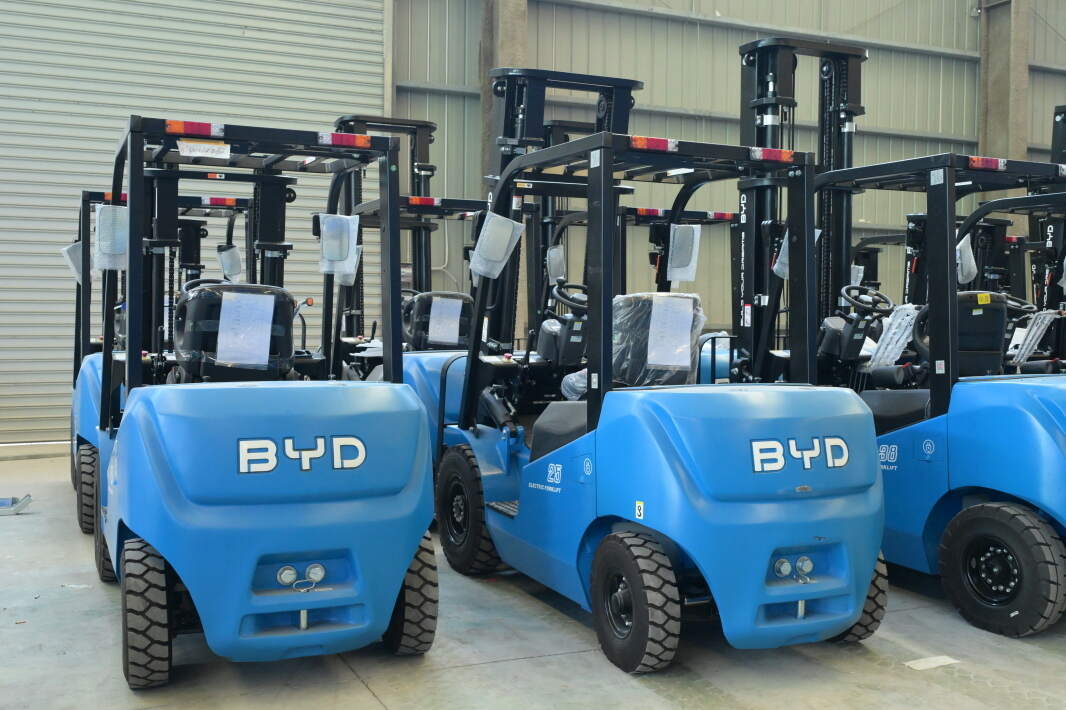
As low-carbon logistics and fine warehouse management concepts gain wider popularity across the industry, electric forklifts have become one of the most widely deployed material handling equipment in indoor storage, manufacturing workshops and light cargo distribution scenarios. Many new practitioners in the material handling field often look for systematic, easy-to-follow guidance to get the most value out of their equipment, and avoid unnecessary operational errors that may cause extra consumption.
Core Performance Features of Modern Electric Forklifts
Unlike internal combustion counterparts, most electric forklifts rely on rechargeable power modules to provide traction and lifting power, producing almost zero local emissions during operation, which fits the requirements of enclosed working spaces with strict air quality rules. The overall noise level during operation is far lower than fuel-powered equipment, which can reduce long-term noise interference for on-site staff who work 8 to 10 hours per shift. The power output curve of electric drive systems is smoother, so operators can get more precise control during low-speed movement and high-precision cargo stacking processes, to lower the risk of cargo collision or placement deviation.
Standard Operation Guidelines for Daily Use
Before starting each shift, operators need to conduct a basic walk-around check, including confirming the remaining power level, checking the tightness of lifting chains, testing the sensitivity of braking systems, and verifying the normal operation of warning lights and horns. During the operation process, operators should avoid sharp acceleration and sharp steering when the vehicle is fully loaded, and keep the load goods within the rated load range marked on the equipment nameplate, to avoid abnormal wear of the load-bearing structure. When operating on ramp areas, operators should keep the load facing the uphill direction to prevent accidental sliding of the vehicle, and do not turn on ramp surfaces to avoid rollover risks.
Routine Maintenance Suggestions for Longer Service Life
Regular maintenance work can effectively reduce unexpected downtime and extend the overall service cycle of the equipment. For the power storage module, users should follow the specified charging rules, avoid long-term full power storage or complete power depletion for a long time, and clean the surface of the power module regularly to remove accumulated dust and sundries. For moving parts including wheels, transmission components and lifting hinges, staff should add suitable lubricant on a fixed cycle to reduce friction loss. Operators should also record the daily operation status of the equipment in time, so that minor abnormal signs can be spotted and handled in the early stage before they expand into bigger failures.


