
 English
 简体中文
 Русский
 Português
 Español
 لالعربية


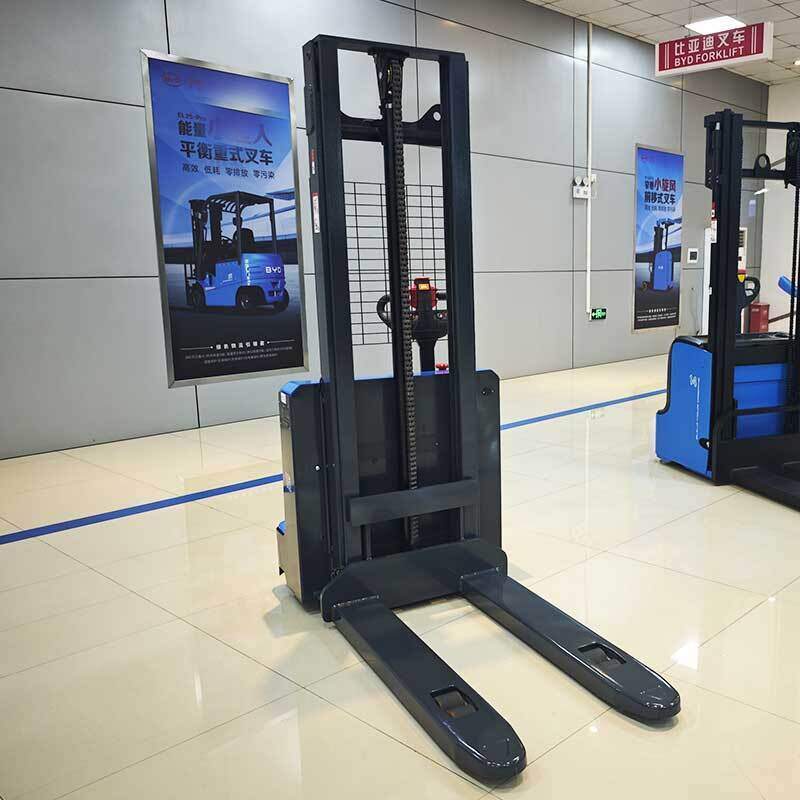
As low-carbon logistics gains wider popularity across different industrial scenarios, electric forklifts have become one of the most commonly used material handling equipment in warehouses, manufacturing workshops and distribution centers. Mastering correct usage methods and relevant professional knowledge can help operators avoid unnecessary operational risks, and bring better cost control effects for equipment managers.
Pre-operation Inspection Protocols
Before starting any shift, operators need to complete a series of basic checks to eliminate hidden risks in advance. First, check the remaining power level of the power system, confirm no abnormal bulge or leakage on the surface of the power unit. Then test the sensitivity of the brake system, steering structure, lifting and tilting function of the fork, and confirm all warning lights and sound reminding devices work normally. Operators also need to observe the working environment in advance, confirm no obvious obstacles, scattered goods or irrelevant personnel in the planned moving route.
Standard Daily Operation Norms
During operation, operators need to adjust their driving state according to different site conditions. When driving in narrow warehouse aisles, you need to control the driving speed within a reasonable range, and slow down in advance at corners and aisle entrances. When carrying heavy loads, keep the goods at a low and stable position, and avoid lifting the forks too high during moving process to reduce the risk of falling goods. It is not recommended to perform sharp turns or sudden braking on the ramp, and keep the load side facing the upper direction when driving on the ramp. Operators should not carry other personnel on the vehicle or use the fork to lift personnel to work at height without corresponding supporting safety structures.
Routine Maintenance and Energy Efficiency Optimization
Regular proper maintenance can effectively extend the service life of electric forklifts and keep operating cost at a relatively reasonable level. Operators need to clean the dust and accumulated sundries on the surface of the equipment and the ventilation part of the power unit after each shift, and arrange professional personnel to check the sealing performance of the hydraulic system regularly, add lubricating oil for the moving connection parts on schedule. For the power unit, avoid frequent over-discharge or long-term over-charging, and try to arrange charging operations in a cool and dry environment. Proper operating habits, such as avoiding frequent acceleration and deceleration in no-load state, can also effectively improve the overall energy efficiency of the equipment. For different enterprise users, formulating targeted operation and maintenance management rules according to their actual usage scenarios can give full play to the advantages of electric forklifts in low noise and zero on-site emission, and better match the operation demands of modern low-carbon logistics systems.


