
 English
 简体中文
简体中文 Русский
 Português
 Español
 لالعربية

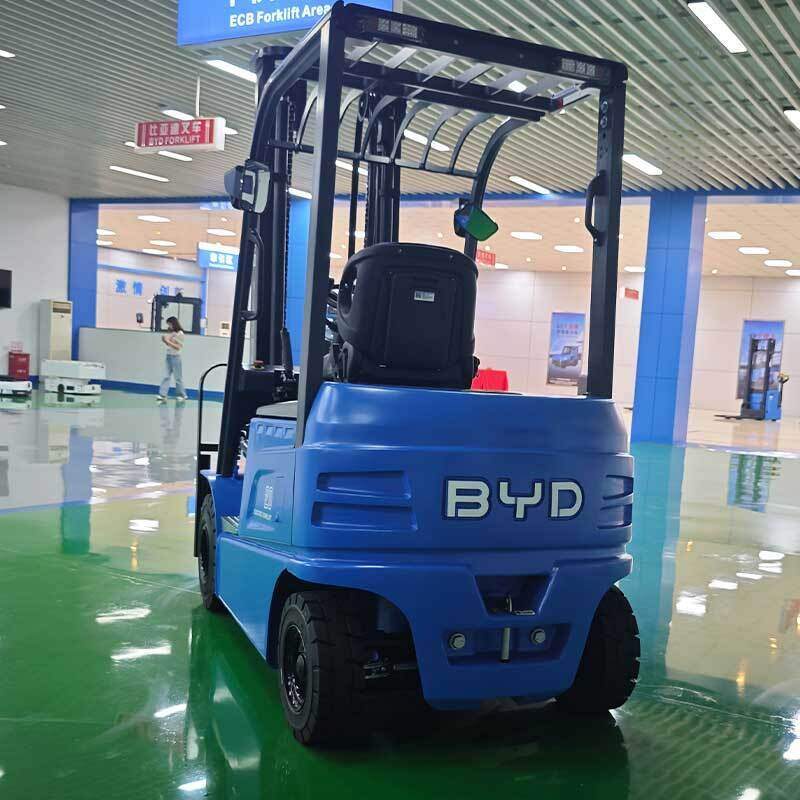
With the continuous expansion of low-carbon industrial logistics scenarios, electric forklifts have become one of the most commonly used material handling equipment in modern warehouses, manufacturing workshops and distribution centers. This guide focuses on practical operational and maintenance knowledge for electric forklifts, helping operators and logistics managers get the most out of the equipment while reducing unnecessary wear and safety risks.
Basic Pre-operation Check Specifications
Before starting each shift’s operation, operators need to complete a series of basic checks to confirm the equipment is in normal state. The first step is to inspect the power system, check the remaining power level, confirm that the battery connection parts are free of loose or exposed wires, and no obvious leakage of electrolyte exists if the equipment uses lead-acid battery. Next, check the braking system, steering flexibility, lifting frame sliding state and tire wear condition, test the normal operation of all warning lights and sound prompt devices on the vehicle. Operators should also clear the operation route of sundries and confirm that the operation space meets the load limit of the corresponding equipment model.
Standard Operation Guidelines for Daily Scenarios
During actual operation, operators need to follow the rated load limit of the equipment strictly, do not carry over-height or unbalanced stacked cargos, and keep the cargo 30 to 40 centimeters above the ground when traveling to avoid the cargo falling accidentally. When turning, approaching pedestrians or crossing the operation channel, the operator should slow down in advance and send prompt signals properly. For long-distance transfer between different areas of the warehouse, try to choose a pre-planned smooth channel to avoid frequent sudden acceleration and emergency braking, which can reduce extra power consumption and extend the service life of the drive system. It is not recommended to operate the electric forklift for long hours in rainy outdoor scenarios if the equipment is not marked with corresponding waterproof rating.
Routine Maintenance Tips for Long Service Life
After each day’s operation, operators need to park the equipment in the designated ventilated and dry area, turn off all power supplies in sequence, and clean the dust and sundries attached to the vehicle surface and the driving wheel gaps. Charging should be carried out in the dedicated charging area that meets fire protection specifications, and do not interrupt the charging process frequently when the battery is in the state of low remaining power. Regularly arrange professional technical personnel to check the wear of the hydraulic components, the tightness of the connecting parts of the whole vehicle, and calibrate the sensing devices of the safety system every certain cycle. Scientific daily maintenance can effectively reduce the frequency of unexpected equipment failures, and help the equipment maintain stable working performance in long-term use.


