
 English
 简体中文
简体中文 Русский
 Português
 Español
 لالعربية

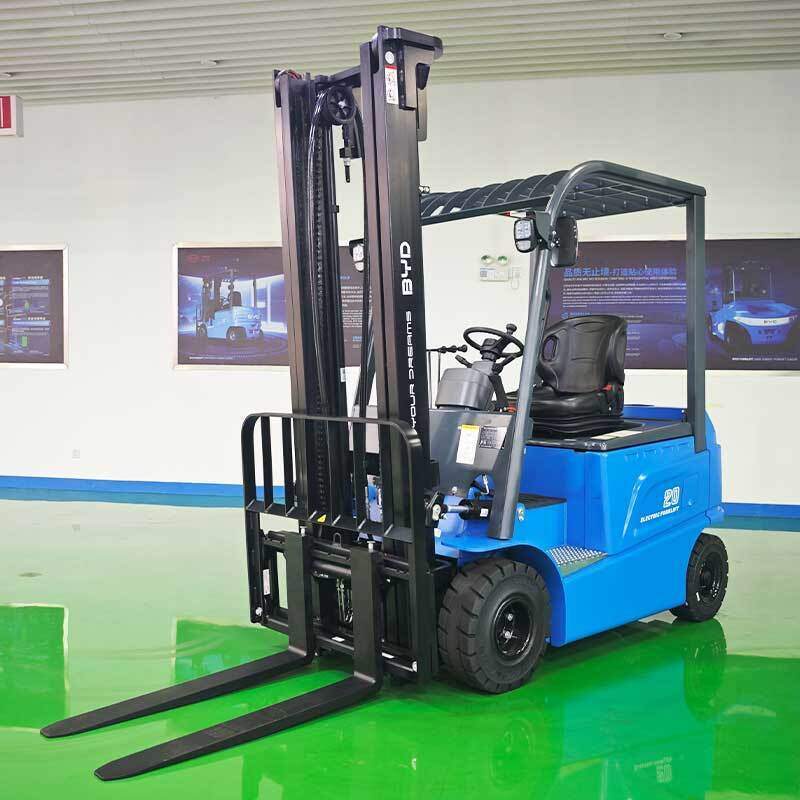
Against the backdrop of growing demand for low-carbon and efficient intralogistics solutions globally, electric forklifts have become one of the most widely adopted material handling equipment across warehouse, manufacturing and distribution scenarios. Mastering core relevant knowledge of this type of equipment helps operators reduce unnecessary operation risks, lower long-term use cost and match actual production demands better.
Core Pre-Operation Preparation Checks
Before starting any formal operation, operators should conduct a full range of routine checks in fixed sequence. They need to first verify the remaining battery power level to avoid sudden power off in the middle of cross-region handling tasks, then inspect the condition of tire wear, brake sensitivity, lifting chain tightness and lighting system functionality. Any abnormality found in the checking process should be recorded and reported to the relevant management team in time, instead of forcing the equipment into operation with hidden risks.
Standardized Daily Operation Norms
During formal operation, operators should strictly follow the corresponding operation specifications formulated based on equipment parameters, avoid overloading the equipment beyond the rated load limit, and keep the running speed within the safe range adapted to different site road conditions. When turning, lifting or stacking goods, operators should remind surrounding personnel to stay away from the operation area through prompt signals, and avoid making abrupt direction changes that may cause cargo slipping or equipment tilting. Long time high load continuous operation should be avoided properly, to prevent excessive consumption of core components.
Routine Maintenance Points to Extend Service Life
Regular scientific maintenance can effectively reduce the failure rate of electric forklifts in long-term use. Operators should wipe the equipment surface and clean the dust accumulated in the motor and heat dissipation system after each shift, conduct regular battery electrolyte level check or follow the maintenance guidance for maintenance-free batteries, and arrange regular professional inspection of the control circuit and brake system according to the actual use frequency. It is recommended to arrange corresponding rest period for the equipment during long duration peak operation periods, so as to maintain stable working performance for a longer time.
Electric Forklift Application Value in Modern Logistics
Compared with traditional internal combustion handling equipment, properly operated electric forklifts generate far less noise and no exhaust emission during working process, which fits the low carbon transformation trend of modern logistics sites. The relatively lower daily energy consumption and maintenance cost also help logistics operators optimize the overall operation expenditure steadily, and create a more comfortable and safer working environment for on-site staff.


