
 English
 简体中文
简体中文 Русский
 Português
 Español
 لالعربية

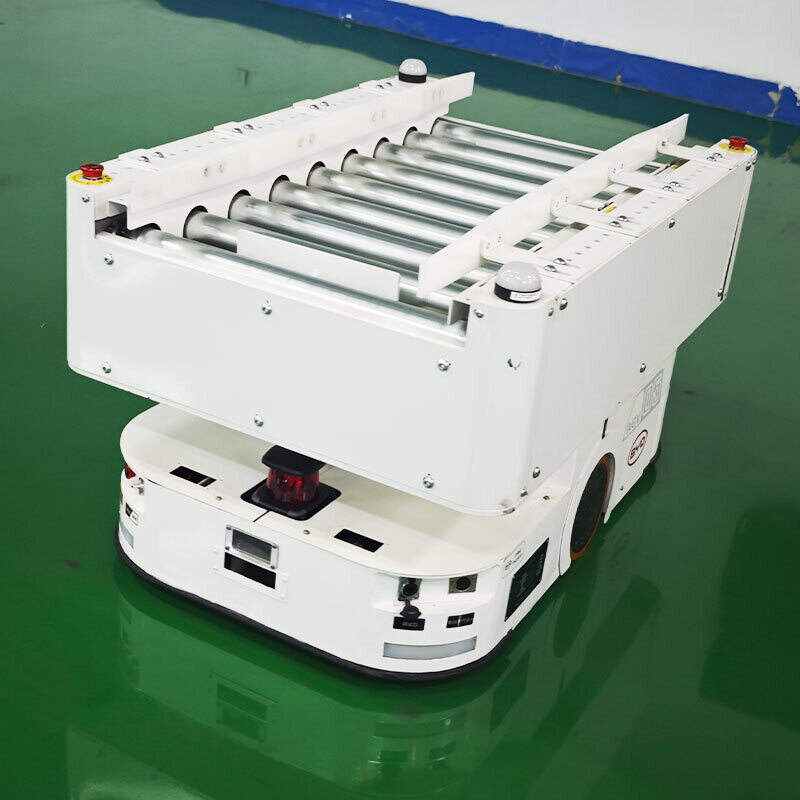
With the growing demand for low-carbon, high-efficiency material handling in global industrial and warehouse scenarios, electric forklifts have become one of the most widely adopted handling equipment in recent years. Compared with internal combustion counterparts, these equipment produce zero on-site emissions, generate lower operation noise, and deliver smoother power output to adapt to different indoor and semi-outdoor working conditions.
Core Application Scenarios of Electric Forklifts
In standard closed warehouse spaces, electric forklifts can complete pallet stacking, goods transportation between shelves, and loading and unloading of short-distance trucks stably. For scenarios with strict air quality requirements such as food processing workshops, pharmaceutical storage areas, and cold chain storage facilities, the emission-free feature of electric forklifts can effectively avoid potential pollution to stored goods, and will not produce excess exhaust heat that affects the ambient temperature of cold storage. Many sites with limited operation space also choose compact structured electric forklifts to make full use of vertical storage space without causing extra safety risks to surrounding operators.
Standardized Daily Operation Specifications
Before starting each shift, operators need to complete basic inspection work, including checking the remaining power level of the power system, confirming the flexibility of the lifting and steering mechanisms, and testing the effectiveness of each safety protection component such as emergency stop button and warning light. During operation, operators should keep the moving speed adapted to the on-site road condition and personnel density, avoid sharp steering or sudden braking when carrying heavy loads, and never lift people with the forks to perform high-altitude operations. After finishing daily work, operators need to park the equipment in the designated area, lower the forks to the horizontal position close to the ground, and cut off the main power supply of the whole device.
Routine Maintenance Tips to Extend Service Life
Regularly clean the dust and debris accumulated on the surface of the power system and walking mechanism, avoid using high-pressure water to directly flush the electronic control components to prevent short circuit damage. It is recommended to check the wear degree of tires, chains and hydraulic oil seals every fixed cycle, replace worn parts in time to avoid abnormal faults during peak operation periods. For the power battery pack, follow the official specified charging process, avoid long-term over discharge or over charge, and arrange regular deep discharge maintenance according to the actual use frequency, so as to maintain the overall stable performance of the equipment for a long time.


