
 English
 简体中文
 Русский
 Português
 Español
 لالعربية


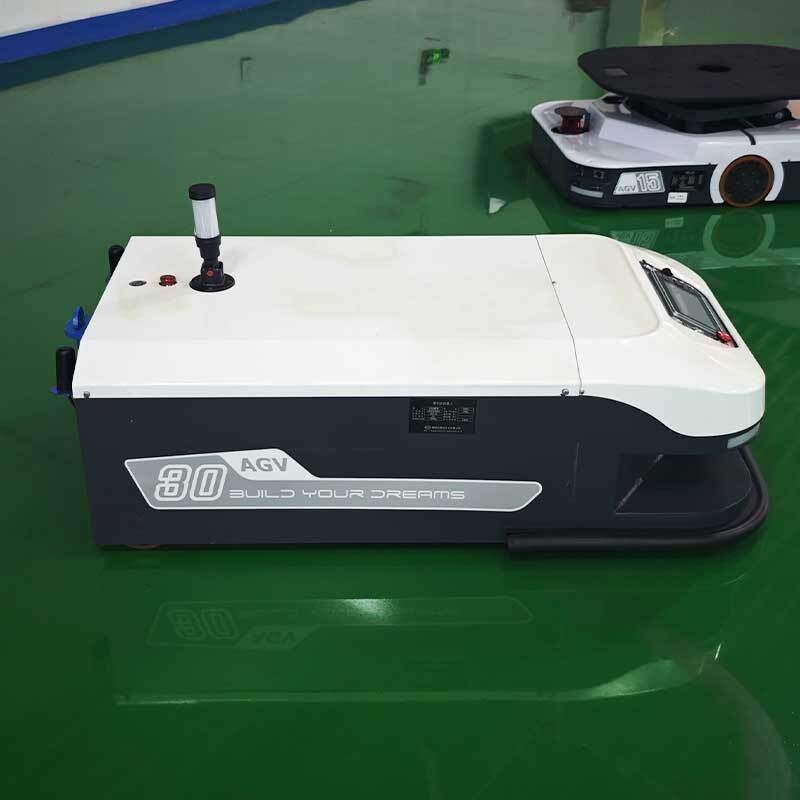
Against the background of accelerating low-carbon transformation of the global logistics industry, electric forklifts have become one of the most widely used material handling equipment in indoor warehouses, factory workshops and closed cargo storage scenarios in recent years. Many frontline operators and logistics managers want to grasp practical skills to give full play to the value of such equipment in daily work.
Core Performance Characteristics of Modern Electric Forklifts
Different from fuel-powered handling equipment, electric forklifts run driven by energy storage battery packs, which produce no local exhaust emission during operation, and keep the overall noise level at a relatively low range. The output power of its driving and lifting system is relatively stable, which can provide smooth operation experience for operators, and avoid strong vibration caused by internal combustion engine operation. Such characteristics make the equipment suitable for scenarios that have high requirements for environmental comfort, such as food storage warehouses, pharmaceutical sorting centers and retail e-commerce operation workshops.
Standard Daily Operation Specifications
Before starting each shift operation, operators need to check the remaining battery power, the flexibility of the braking system, the sealing state of the hydraulic lifting parts, and the wear condition of the walking wheels in advance. During the operation process, operators should avoid overloading beyond the rated load range, slow down when turning at corners, and send out reminder signals when there are other walking personnel around the operation area. It is not recommended to keep the equipment in full load working state for a long time continuously, so as to avoid excessive loss of core components.
Routine Maintenance Tips for Long-term Stable Operation
In daily management, the management team can arrange special personnel to do regular maintenance work, including cleaning the dust on the surface of battery modules and checking the tightness of electrode connectors, avoiding overcharge and over-discharge of the battery pack in the charging process. The lubricating oil of rotating movable parts should be replaced regularly according to the use frequency, and the worn walking wheels should be replaced in time when the wear degree reaches the set threshold. When the equipment is not in use for a long time, it should be parked in a dry and ventilated designated area, avoiding long-term exposure to extreme high temperature or heavy rain environment. Following the above specifications can effectively improve the operation efficiency of electric forklifts, reduce the failure rate in daily use, and help enterprises achieve more stable low-carbon material handling operation.


