
 English
 简体中文
 Русский
 Português
 Español
 لالعربية


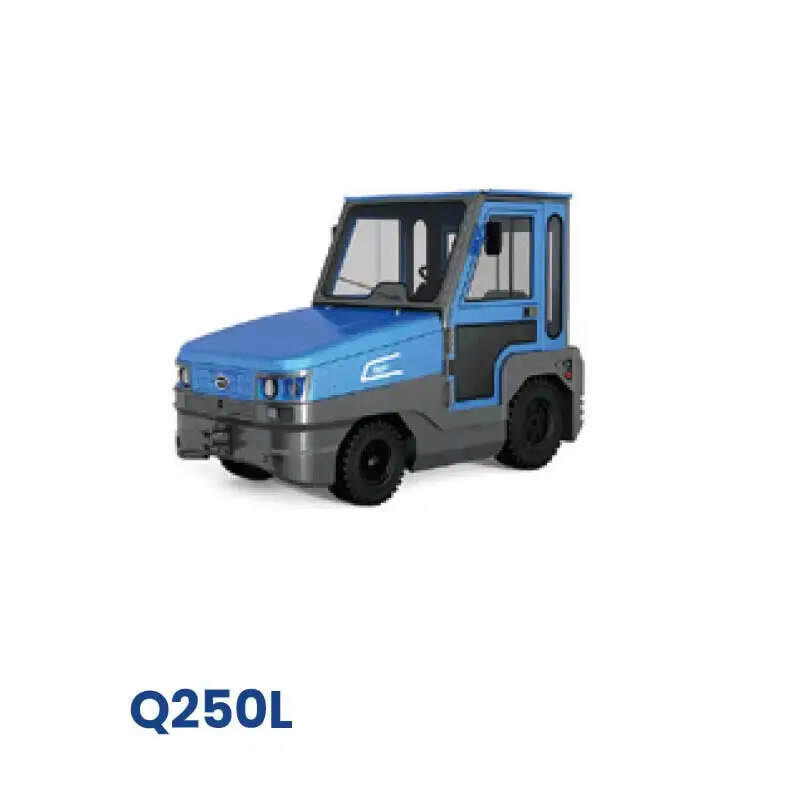
Against the backdrop of rapid development of green logistics and intelligent warehousing, electric forklifts have become a widely adopted material handling equipment for their low noise, zero local emission and relatively low long-term operation cost. Many frontline practitioners and warehouse managers still lack systematic, practical guidance to maximize the value of such equipment in daily operation.
Core Operation Safety Protocols for Daily Use
Before each shift, operators need to complete basic pre-inspection work, covering the status of braking system, remaining battery level, fork arm wear condition and warning light function, to rule out hidden risks in advance. All operators need to receive corresponding standard training, grasp the basic operation logic of the equipment, and avoid overloading beyond the rated load range during handling. When driving in areas with mixed pedestrian and vehicle flow, operators need to slow down properly and keep a safe distance from surrounding personnel and stacked goods. For sloped areas in the warehouse, operators need to keep the load facing upward the slope to avoid potential slipping risks.
Routine Maintenance Practices to Extend Equipment Service Life
Regular maintenance work is the core foundation to keep electric forklifts in good working condition for a long time. For the power battery assembly, operators should avoid over-discharging the battery to the lowest limit as much as possible, and arrange charging work in a dry, ventilated special charging area, to avoid potential damage caused by damp environment. The hydraulic oil level of the lifting system should be checked on a regular basis, and circuit connection ports should be wiped and inspected periodically to avoid poor contact caused by accumulated dust. Operators also need to clean up sundries stuck in the walking wheel gap and body surface after each shift, to reduce unnecessary wear of moving components.
Energy Efficiency Optimization Strategies to Reduce Operation Cost
To further improve the using efficiency of electric forklifts, warehouse managers can reasonably plan the daily driving route of the equipment, reduce unnecessary empty driving trips, and arrange handling tasks reasonably according to the peak and valley period of cargo flow. When the equipment needs to park for more than 10 minutes, operators can turn off the standby mode properly to reduce unnecessary power consumption. Users can also arrange the charging schedule at relatively low electricity price period according to local electricity policy, so as to further reduce the energy cost of daily operation. When all the above norms are implemented properly, electric forklifts can deliver stable performance in various scenarios ranging from ordinary warehouse, manufacturing workshop to cold chain storage, and support the steady operation of local material handling links.


