
 English
 简体中文
简体中文 Русский
 Português
 Español
 لالعربية

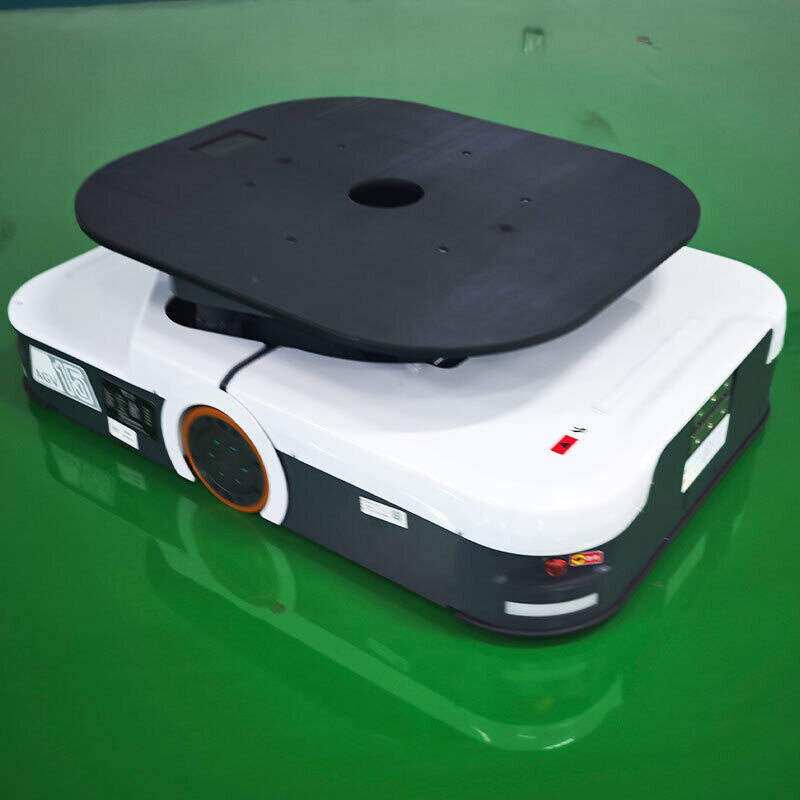
As one of the core equipment for modern warehouse and logistics scenarios, electric forklifts have been widely applied for their low noise, zero local emission and easy operation features. Reasonable use and proper management can fully release its functional advantages, creating more stable value for daily material handling work.
Standardized Daily Operation Specifications
Before starting each shift, operators need to complete full pre-inspection work including brake response, tire condition, remaining battery level and lifting component flexibility, to avoid hidden risks that may cause operation interruption. During the operation process, it is not recommended to carry loads beyond the rated load range, keep a safe distance from surrounding staff and shelf structures, and avoid sharp turning on sloped roads or wet ground. Operators should also avoid long time continuous high-load operation, to prevent the core components from overheating and triggering unnecessary protection mechanisms.
Scientific Routine Maintenance Arrangement
For the core power battery component, operators should follow the specified charging procedure, avoid frequent overcharge or over-discharge status, and clean the dust on the battery surface regularly to keep the heat dissipation channel unobstructed. It is also necessary to check the seal condition of the hydraulic system every fixed cycle, timely supplement the hydraulic oil that meets the specification requirements, and clear the sundries attached to the motor and walking wheel gap, to reduce extra running resistance. The regular maintenance work does not need overly complicated professional operation, and most of the contents can be completed by trained on-site management personnel.
Scenario Adaptation to Improve Overall Efficiency
According to the actual space size of the operation site and the average weight of handling goods, adjust the operation path planning properly to reduce unnecessary empty driving distance, which can effectively reduce the average energy consumption per handling cycle. For scenarios with low ambient temperature, taking proper thermal insulation measures for the power battery can keep the output performance stable, avoiding the sudden drop of endurance that affects the normal work progress. For narrow channel scenarios, operators should adjust the turning speed in advance to adapt to the site space characteristics, to further improve the safety and smoothness of the whole material handling process.


