
 English
 简体中文
简体中文 Русский
 Français
 Português
 لالعربية

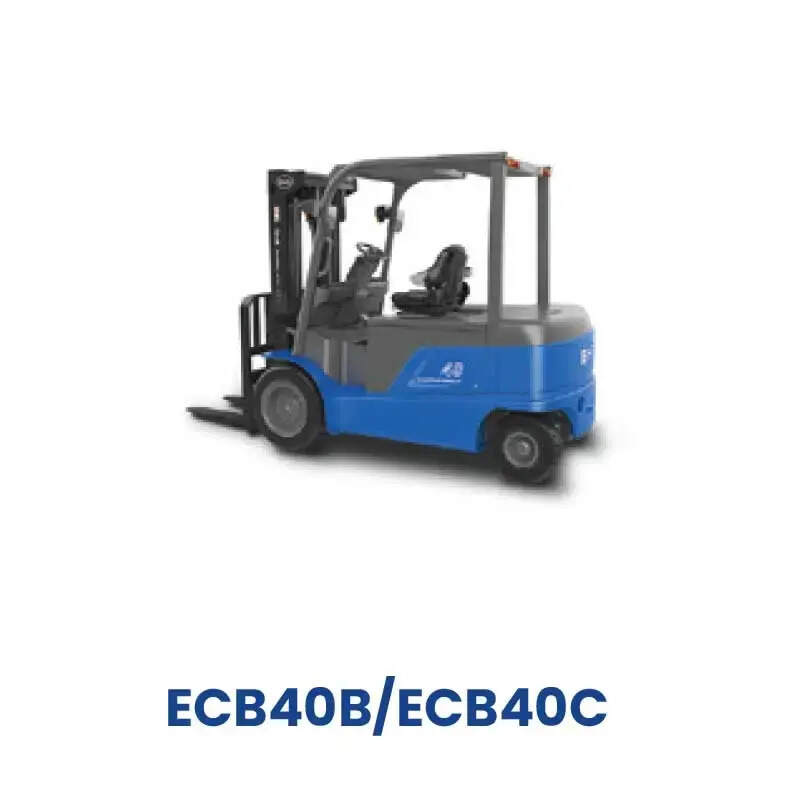
Proper training on electric forklift charging area protocols is a core component of overall warehouse safety management, which effectively reduces avoidable operation risks and extends the service life of vehicle power units. All operators assigned to use electric forklifts must complete systematic standard training before they are allowed to enter the independent charging area for related operations, rather than carrying out charging work based on personal experience.
The first module of the training focuses on basic regional identification rules. Trainees will learn to confirm the clear boundary of the dedicated charging area, and master the classification requirements for placing different types of supporting facilities, including fire suppression equipment, ventilation devices, and power distribution interfaces. Operators are required to keep the charging area free of sundries, flammable packaging materials and unrelated production tools at all times, and never park any non-charging vehicles in the reserved operation space of the area.
The second core training module covers standardized pre-charging, charging and post-charging operation procedures. Before starting charging, operators need to turn off the forklift power system, pull the hand brake, check the appearance of the battery and charging cable for damage, and confirm the matching of voltage parameters between the vehicle and the power supply. During the whole charging process, trainees are required to record the initial time, real-time operation status and estimated completion time of each charging session on the dedicated management log, and avoid covering the ventilation holes of the battery pack with any items. After charging is completed, operators need to cut off the power supply first, pull out the interface gently, sort out the cables and place them in the fixed storage position, then move the forklift to the designated waiting area without hindering the passage of other vehicles.
The final part of the training involves emergency response protocols for abnormal conditions. Operators will be trained to identify common abnormal signals such as overheating, abnormal odor and liquid leakage of the battery pack, master the correct first response steps to cut off the main power source, evacuate personnel in the surrounding area and notify the on-site management team, rather than dealing with unconfirmed abnormal situations without professional guidance. Regular refresher training shall be arranged for all operators every 6 months, to update related protocols according to the actual operation situation of the warehouse, and ensure all personnel maintain sufficient awareness of standardized charging operations.


