
 English
 简体中文
简体中文 Русский
 Français
 Português
 لالعربية

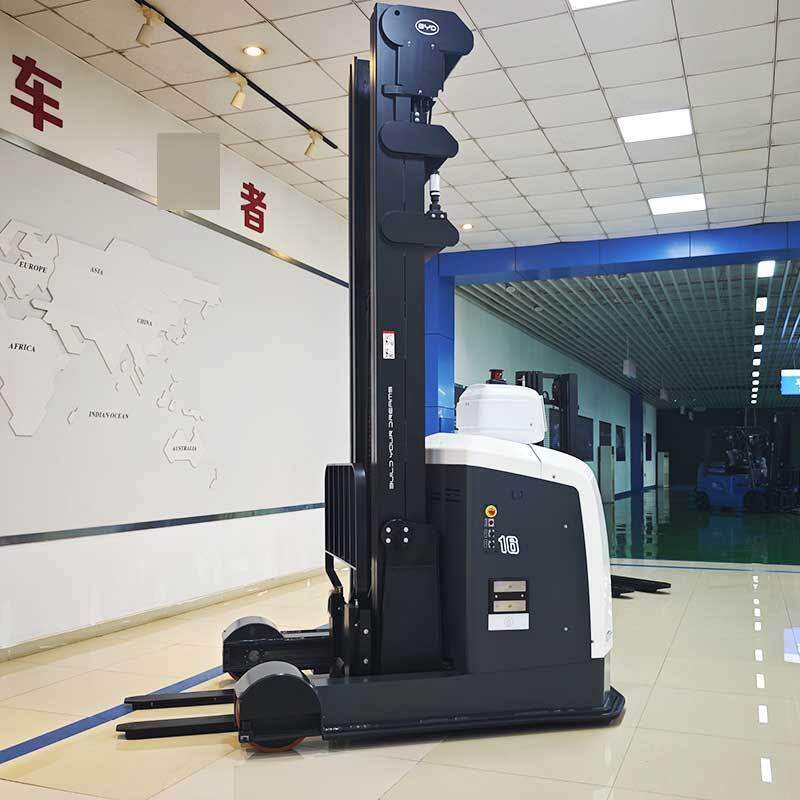
As more industrial sites and large logistics parks adopt electric forklifts for cross-zone material transport, operators need to adjust operation habits accordingly when carrying out long-distance movement tasks, which differs greatly from short-distance loading and unloading operations inside small warehouses. Standardized operation not only reduces unnecessary energy consumption, but also effectively avoids unexpected safety hazards during the whole transport process.
First, complete full pre-operation checks before starting the task. Operators should check the remaining battery level of the equipment first, reserve no less than 20% of power redundancy based on the estimated total distance of the round trip, to avoid sudden power loss in the middle of the route. Next, inspect the fixed state of the forks and the binding tightness of the loaded materials, confirm that the center of gravity of the whole load falls within the standard load center distance, to prevent cargo shifting or falling off during long-time driving. It is also necessary to plan the travel route in advance, try to avoid sections with potholes, steep slopes or frequent pedestrian flow, and confirm the passing permission of gates and unloading points along the route in advance.
Second, follow standardized driving rules during the whole transport process. Do not keep the acceleration pedal at full position for a long time, maintain a steady and uniform driving speed to lower energy consumption, and reduce the risk of cargo slipping caused by frequent sudden braking. Keep a safe distance of no less than 3 meters from surrounding pedestrians and other working vehicles, do not overtake at will on narrow passages, and slow down and honk in advance when passing intersections or blind corners. Do not carry irrelevant personnel on the vehicle body at any time. If you notice abnormal power consumption speed during driving, pull over to a safe area nearby for inspection in time, and do not force the vehicle to run to avoid sudden breakdown on the passage.
Finally, complete post-operation maintenance properly after the task is finished. Do not connect the battery to the charging device immediately after long-time high-intensity operation, wait for 15 to 20 minutes for the battery to fully dissipate heat before starting charging. Clean up the dust and debris attached to the vehicle body, check the wear condition of the tires, and confirm the sensitivity of the braking system is within the normal range. Record the actual driving distance and power consumption data of this long-distance movement task in the operation log, to provide reference for subsequent operation scheduling optimization. These practical operation tips are easy to implement in daily work, which can help operators form good working habits, extend the service life of electric forklifts, and create a more stable and safe working environment for the whole material handling site.


