
 English
 简体中文
 Русский
 Français
 Português
 لالعربية


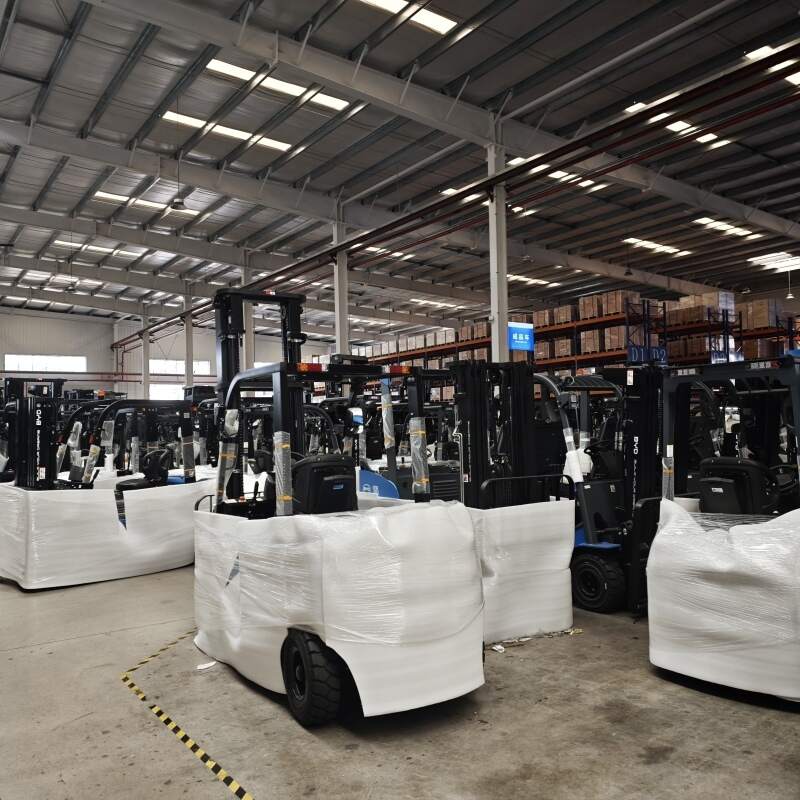
As a widely applied material handling equipment in modern warehousing and logistics scenarios, electric forklift has gained growing popularity for its low noise and zero on-site emission features. Reasonable operation and regular maintenance can help enterprises give full play to its performance advantages, reduce unnecessary operating cost input and lower potential safety risks during daily work.
Core Daily Operation Norms
Standardized operation behavior is the foundation of stable long-term operation of electric forklifts. Operators need to receive systematic pre-job training to master the correct operation logic of the walking and lifting system, avoid frequent sharp acceleration and sharp braking under full load state, and reasonably control the driving speed according to the on-site road condition and cargo stacking density. It is also necessary to avoid overloading beyond the rated load range for a long time, otherwise it will bring extra loss to the power system and load-bearing structure. Operators also need to complete pre-departure inspection before each shift, check the remaining power of the power supply, the flexibility of the braking system and the integrity of the safety protection parts.
Routine Maintenance of Core Components
Scientific targeted maintenance can effectively extend the service cycle of electric forklifts. For the power supply part, operators should follow the correct charging process, avoid over-discharging and over-charging in daily use, and regularly check the connection status of the circuit interface to prevent poor contact from causing abnormal energy consumption. For the walking and hydraulic lifting system, regular cleaning of the dust and sundries accumulated on the surface of the transmission part can reduce the friction loss between components, and the lubricating oil of the moving connection position should be replenished according to the specified cycle. The wear degree of the tire, fork and other load-bearing parts should also be checked regularly, and corresponding adjustment and replacement should be carried out when the wear value reaches the specified threshold.
Efficiency Optimization for Different Application Scenarios
Combined with the actual usage scenario, reasonable parameter adjustment and usage arrangement can further improve the using efficiency of electric forklifts. For high-density narrow channel warehouses, operators can adjust the running speed curve appropriately to match the frequent steering and picking and placing operation demands. For outdoor working scenarios with low temperature in winter, proper preheating treatment before starting operation can help the power system reach the optimal working state faster. Enterprises can also arrange the charging plan reasonably according to the daily operation peak time, to avoid the situation of sudden power outage affecting the normal work process during the peak operation period.


