
 English
 简体中文
 Русский
 Français
 Português
 لالعربية


For modern warehousing and logistics scenarios, the comprehensive performance of forklift operators is directly related to overall operation safety, daily operation efficiency, and the service life of handling equipment. A scientific and reasonable forklift operator performance evaluation system cannot simply take the total cargo handling volume as the only measurement standard, but needs to carry out multi-dimensional, fair and trackable assessment from multiple practical operation links.
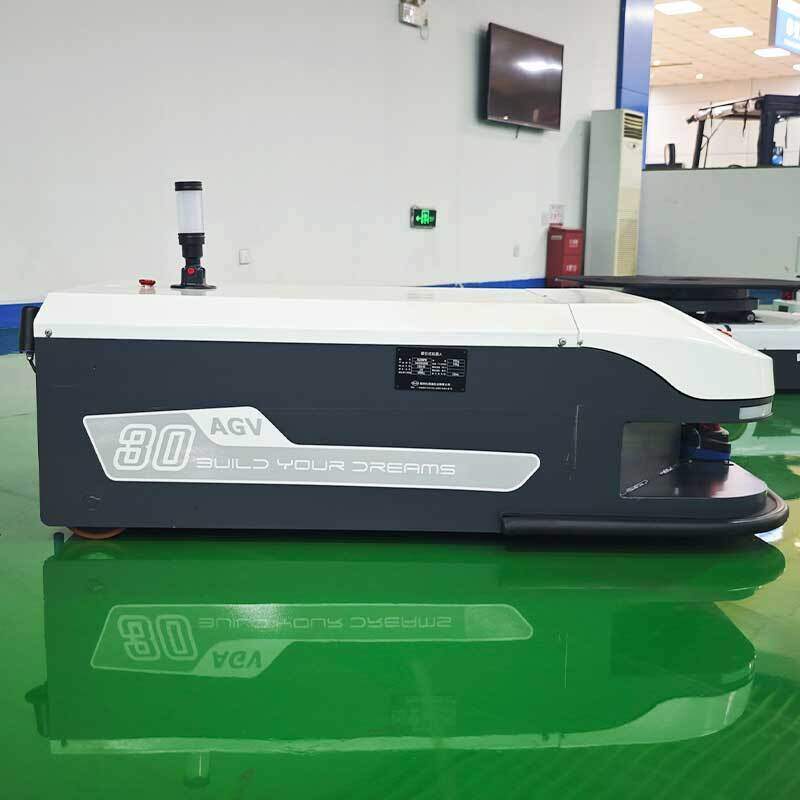
The first core assessment dimension is safety compliance performance. In the daily operation process, the management team can record the number of non-compliant operations including over-speed driving on site, carrying people on the forklift body, not wearing safety belts as required, and over-limit stacking of goods, as well as the number of hidden danger events such as scratching shelves, goods or passing staff during operation. In the statistical process, it is necessary to distinguish the difference between occasional unintentional misoperation and long-term habitual violation, so as to avoid excessive one-sided punishment for operators.
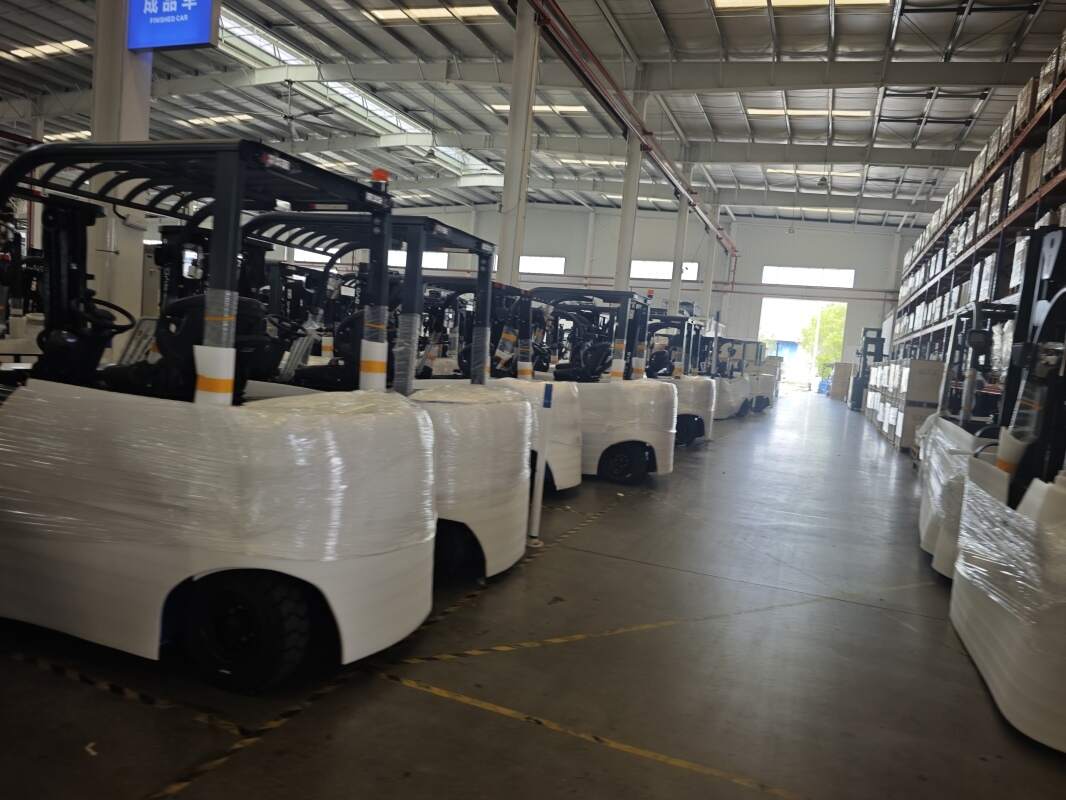
The second core assessment dimension is standardized operation efficiency. Under the premise of fully meeting the safety operation specifications, the management side can count the number of compliant handling operations per unit time, the error rate of goods placement and access, and the response speed of operation tasks in peak business hours. It is necessary to avoid guiding operators to blindly pursue operation efficiency and ignore safety rules, which may lead to unnecessary safety accidents and economic losses.
The third core assessment dimension is equipment maintenance awareness. For electric forklifts, the daily operation habits of operators have a great impact on the service life of the power battery, drive motor and other core components. The assessment can include items such as whether the operator completes the basic vehicle appearance and function check before and after each operation, and whether there are improper operations such as violent acceleration and forced over-discharge that damage the equipment. This assessment dimension can effectively reduce the unnecessary operation and maintenance cost of the fleet.
In the process of implementing the evaluation work, it is recommended to combine the daily on-site inspection records and the regular cycle assessment results, and carry out one-on-one feedback communication with each operator after the evaluation to clarify the specific points to be improved, and provide targeted operation skill training support for employees with insufficient ability. We are Jianshu New Energy, focusing on BYD electric forklifts. If you need relevant operation specification guidance and supporting solutions, you can contact us via the email [email protected].


