
 English
 简体中文
 Русский
 Français
 Português
 لالعربية


Indoor operation scenarios such as enclosed warehouses, clean workshops, and office supporting storage areas have relatively strict requirements for working noise. Excessive operation noise will not only affect the working experience of on-site staff, but also interfere with the normal operation of surrounding office areas, and may even cause adverse effects on precision stored goods that are sensitive to sound vibration. For enterprises that need to purchase electric forklifts for indoor use, comparing different noise-reducing models in a scientific way can help obtain higher cost performance and better scenario adaptation effect.
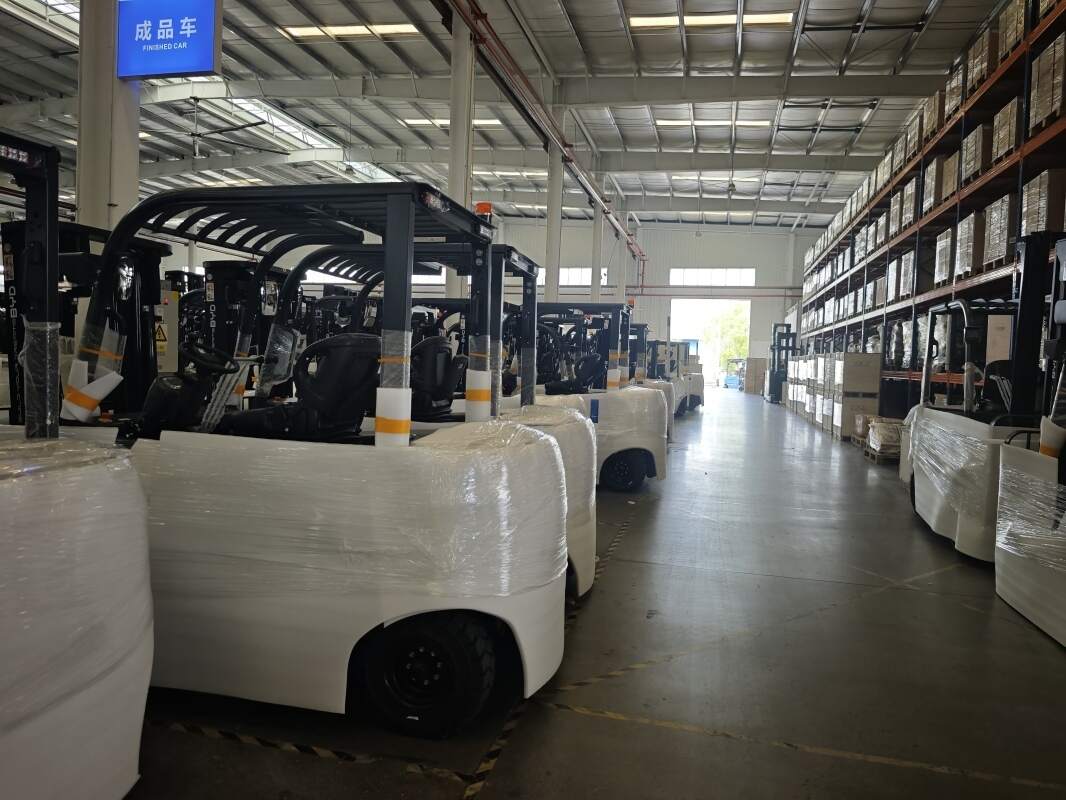
First of all, you can start with the actual measurement of noise indicators in different working states. The nominal noise parameter given by the supplier is usually tested under no-load static state, which can not fully reflect the actual noise level in daily use. You can ask for the test data under three typical working conditions: full-load traveling, full-height load lifting and low-speed narrow-channel steering, and compare these data with the local labor protection standard for working environment noise, to judge whether the model can meet the long-term indoor use requirements.
Secondly, it is necessary to check the details of the noise reduction structure design of the forklift. The quality of noise reduction design directly determines the stability of noise performance in long-term use. You can pay attention to the sound insulation wrapping structure of the driving motor compartment, the damping optimization design of the hydraulic power system, and the low-noise non-marking walking wheel configuration. Mature structural design can effectively reduce the friction noise generated when the forklift travels on the epoxy floor, and avoid the extra sharp noise caused by the vibration of loose parts during operation.
Thirdly, you need to match the noise reduction performance with your actual indoor scenario. Different indoor scenarios have different noise sensitivity levels. For example, the medicine and food processing workshop adjacent to the production line has higher requirements for noise control than the ordinary remote storage warehouse. The narrow channel dense storage scene needs the forklift to turn frequently, so the noise reduction performance of the steering mechanism should be included in the comparison scope. You can arrange a short-term test drive in your own working site to feel the actual noise experience during operation.
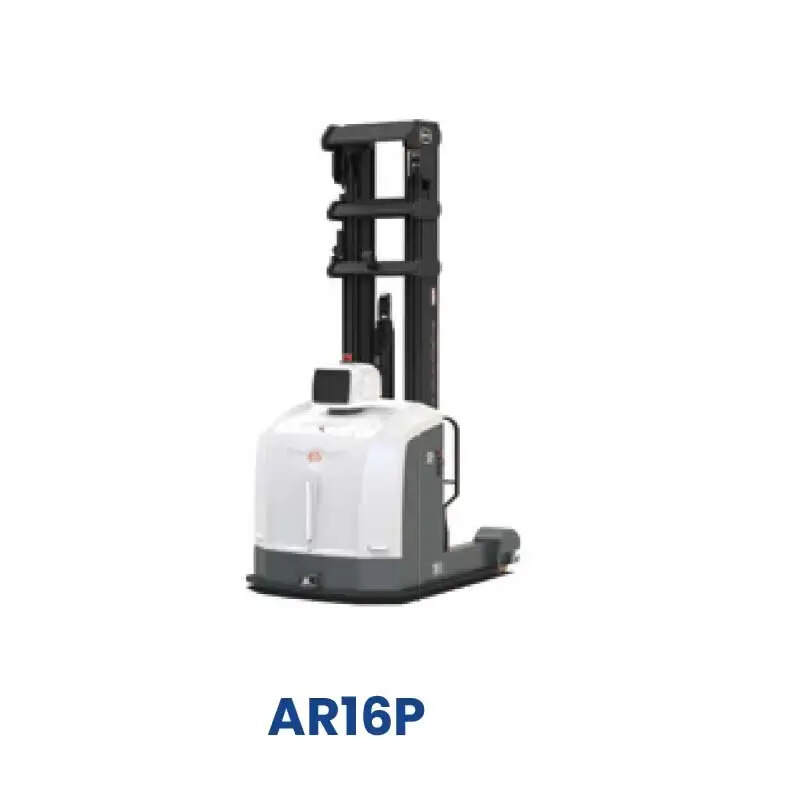
Finally, you should also pay attention to the noise increment control performance after long hours of operation. After thousands of hours of operation, the moving parts of the forklift will have a certain degree of normal wear, and the noise value will rise slightly. High-quality noise-reducing electric forklifts can control this increment within a reasonable range, reducing the subsequent maintenance cost of noise reduction related parts.
If you need professional selection support for low-noise indoor electric forklifts, Jianshu New Energy, which focuses on BYD electric forklifts, can provide you with targeted consultation and solution matching services, you can send an email to [email protected] to communicate your actual demand in detail.


