
 English
 简体中文
 Русский
 Français
 Português
 لالعربية


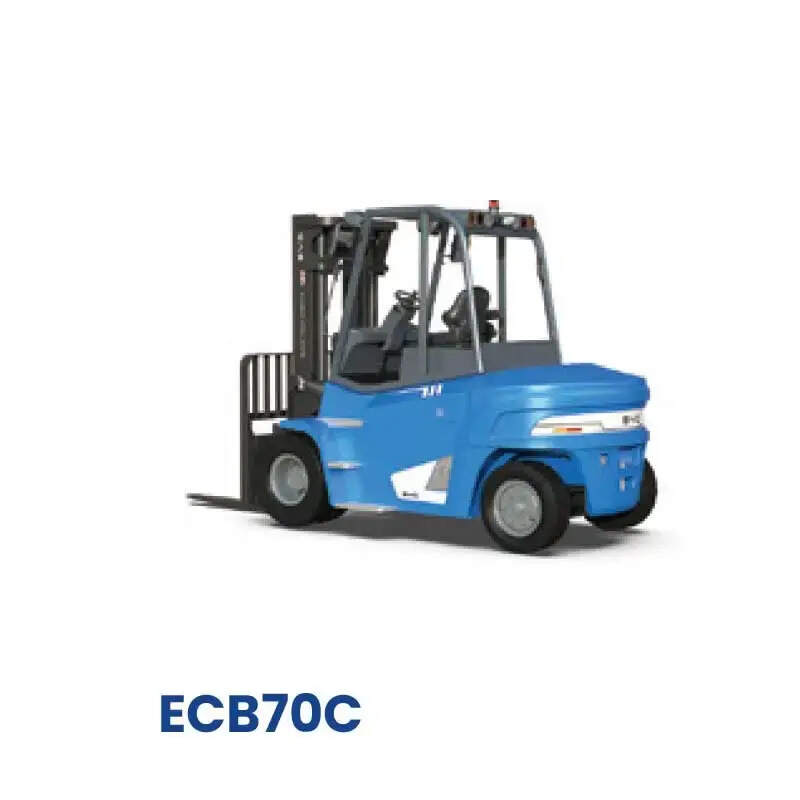
As the logistics and warehousing industry continues to pursue low-carbon operation and high handling efficiency, electric forklifts have become one of the most widely used material handling equipment in indoor and semi-enclosed working scenarios in recent years. Mastering systematic relevant knowledge can help relevant personnel give full play to the equipment’s inherent performance, reduce unnecessary operating costs, and avoid unnecessary safety risks in daily work.
Basic Performance Characteristics of Electric Forklifts
Different from traditional internal combustion handling equipment, most electric forklifts obtain power from on-board energy storage modules, the power output process has no direct tail gas emission, and the overall operation noise is kept at a relatively low level. In the process of operation, the equipment’s power response speed is relatively sensitive, and the adjustment of moving speed and lifting height can be completed through a more simplified control system, which reduces the learning threshold for operators to a certain extent. For long-term continuous operation scenarios, the heat generated by the power system is relatively stable, and there is no need to add fuel or exhaust related maintenance operations in the daily use process.
Daily Maintenance Specifications for Electric Forklifts
In the daily use process, the routine inspection of the energy storage module is a core part of maintenance work. Before starting the equipment every day, the operator can check the apparent state of the energy storage module shell, the connection status of the wiring interface, and the remaining power level, and arrange subsequent charging work according to the actual work schedule, to avoid deep discharge of the energy storage module caused by long-term power shortage. In the daily cleaning process, avoid using high-pressure water guns to directly flush the internal electrical components of the equipment, you can use dry soft cloth to wipe the dust on the surface of the control panel, body and wheel parts, regularly check the wear degree of the tire tread, and replace the seriously worn parts in time according to the official operation manual.
Scenario-based Operation Safety Tips
When the electric forklift is working in a narrow indoor passage, the operator needs to control the driving speed within a reasonable range, and keep a safe distance from the surrounding stacked goods and facility walls to avoid collision accidents. When operating the equipment to lift heavy goods, do not carry out too fast lifting or falling operations, to avoid the goods slipping and falling due to unstable center of gravity, and do not allow personnel to stand under the lifting gantry for a long time in the working state. For outdoor operation scenarios with rainy weather, try to avoid the equipment running in the accumulated water that exceeds the safe line of the tire hub, to prevent the electrical components from being damp and causing unnecessary failures. By standardizing the above operation and maintenance processes, the service life of electric forklifts can be effectively extended, and the comprehensive use benefit of the equipment can be improved to a certain extent.


