
 English
 简体中文
 Русский
 Français
 Português
 لالعربية


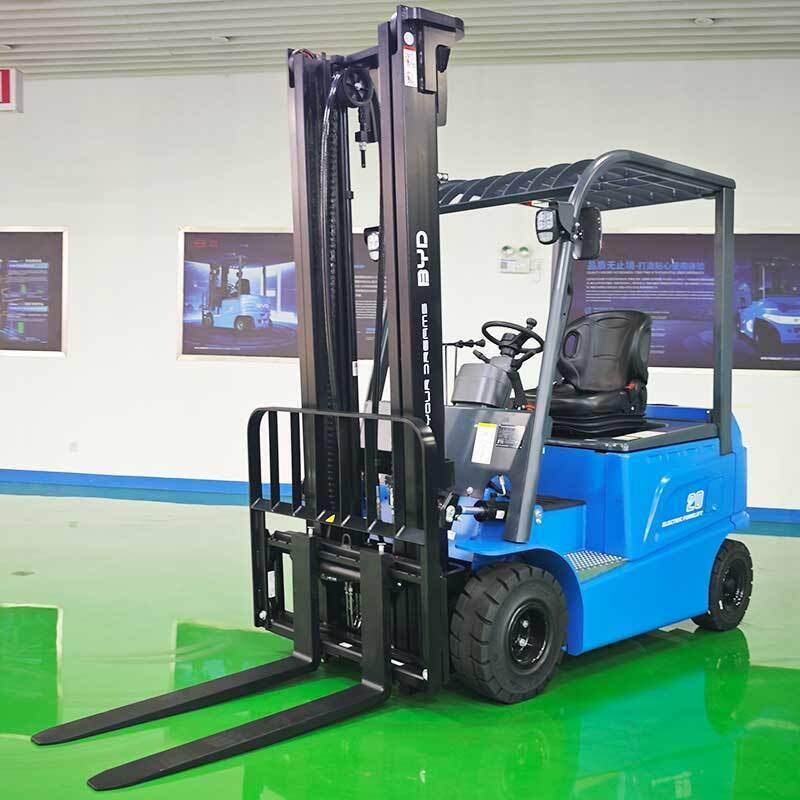
As the global logistics and industrial material handling sector gradually shifts to low-carbon, energy-saving operation modes, electric forklifts have become one of the most widely applied core equipment in indoor and closed operation scenarios. Mastering systematic knowledge of operation, maintenance and scenario matching can help enterprise users improve operation stability and extend the service life of the equipment properly.
Basic Operation Norms for Electric Forklifts
Different from internal combustion forklifts, electric forklifts rely on power battery systems to provide driving and lifting power, so operators need to complete pre-operation checks before each use, including confirming the remaining power level, checking the flexibility of braking and steering systems, and verifying that the lifting fork structure has no obvious deformation or hidden damage. During the operation process, operators should avoid sharp acceleration or sudden direction changes when carrying loads, keep the load center within the rated load range, and do not carry over-height goods that block the front view of the driver. When the equipment is running in narrow warehouse passages, it is necessary to control the driving speed below the safe specified value, and sound a reminder signal in advance when turning or passing the intersection.
Daily Maintenance Points for Long-Term Stable Operation
Regular standardized maintenance can effectively reduce the failure rate of electric forklifts in daily use. The battery system is the core maintenance object, users should follow the official recommended charging procedures, avoid over-discharging the battery to a very low power level for a long time, and keep the surface of the battery pack dry and clean to prevent liquid leakage or short circuit risks. In addition, operators need to regularly check the wear degree of driving wheels, regularly lubricate the rotating parts of the lifting gantry, and clean the dust and sundries accumulated in the motor heat dissipation part every fixed cycle. It is not recommended to modify the internal circuit structure of the equipment without professional guidance, so as not to affect the original safety protection performance of the vehicle.
Scenario Matching to Improve Using Efficiency
Electric forklifts are suitable for multiple scenarios including indoor warehouse cargo sorting, food and pharmaceutical production workshop material handling, and cold chain storage operation, due to their zero exhaust emission, low operation noise characteristic. Users can select corresponding configurations according to their actual operation demands, such as adding anti-corrosion surface treatment for vehicles used in humid cold storage scenarios, or selecting short-body compact models for operation scenes with extra narrow passages. Reasonable matching between equipment performance and actual operation scenarios can give full play to the advantages of electric forklifts, and create more stable and low-cost material handling conditions for the enterprise.


