
 English
 简体中文
 Русский
 Français
 Português
 لالعربية


Proper battery matching is a core foundational step to ensure the stable, efficient and long-term operation of electric forklifts, which directly relates to the operation efficiency of logistics, manufacturing and warehousing scenarios, as well as the whole life cycle use cost of the vehicle fleet. Many forklift operators tend to ignore the standard specifications of battery matching during the initial vehicle deployment phase or the later battery replacement period, and improper matching may cause unnecessary wear of the vehicle power circuit, unstable power output, or even unnecessary potential safety hazards.
The first step of standardized battery matching is to sort out actual operation demands first. Operators can count the daily average continuous working hours of the forklift fleet, conventional carrying load weight, frequent maximum lifting height, and the ground road condition of the operation site, to reserve reasonable capacity for the matched battery. For example, the 3-shift continuous operation scenario of large-scale logistics distribution centers can reserve proper capacity allowance to support long-time non-stop operation, while the light-load intermittent operation scenario of small retail warehouses can choose the matching scheme with corresponding capacity, to avoid redundant cost input.
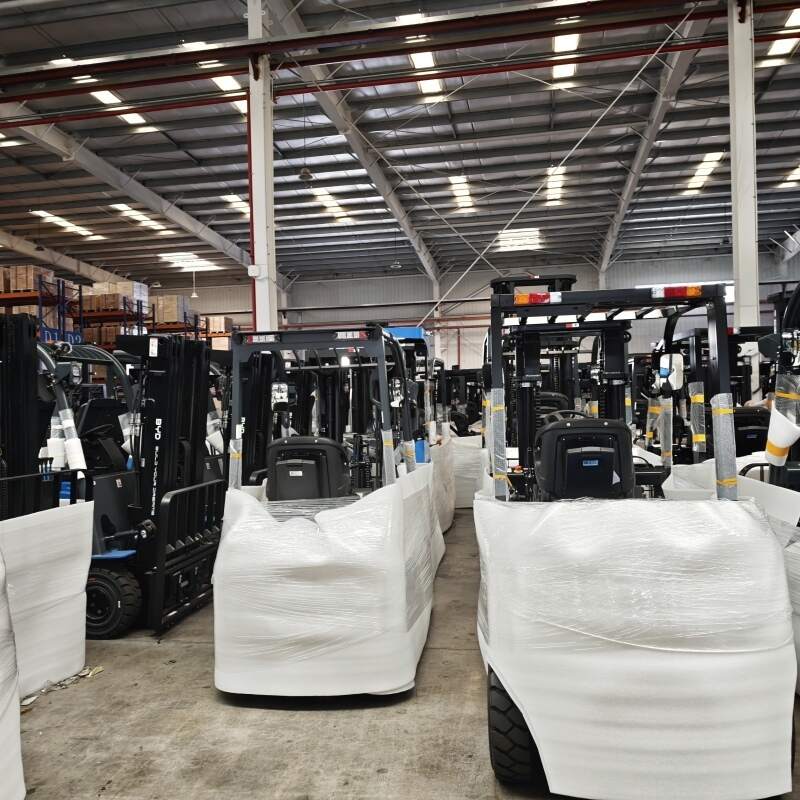
The second core rule of battery matching is to guarantee the consistency of electrical parameters. The rated voltage, rated discharge current, overcharge and over-discharge protection threshold of the matched battery must fully fit the original design standard of the corresponding electric forklift model, arbitrary modification of the vehicle circuit interface or privately changing the parameter setting of the power management system is not suggested, to make sure the vehicle control unit and the battery management system can run in full coordination, and avoid abnormal system alarm or unexpected shutdown caused by parameter mismatch.
The third principle of battery matching is to make proper optimization combining specific usage scenarios. For operation sites with extreme high or low temperature environment, it is recommended to select the battery with wide temperature adaptive performance, to keep steady power output under harsh ambient conditions. For operation scenarios that have high demand for quick energy replenishment, users can choose the fast-charging compatible battery solution that supports short time supplementary charging, without bringing extra damage to the normal service life of the battery.
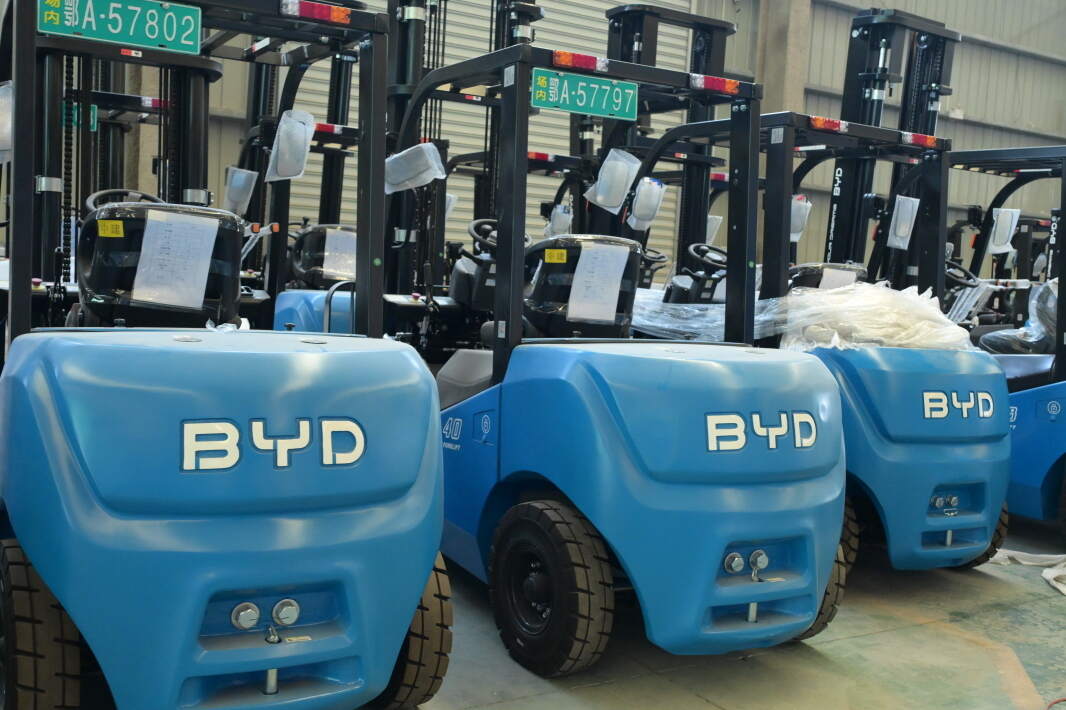
As a professional service provider focusing on BYD electric forklifts, Jiashu New Energy provides full-process battery matching consultation and supporting services for all users, we will make customized reasonable matching scheme based on the actual operation data of your fleet, strictly follow industrial safety specifications, to maximize the comprehensive operation benefit of your electric forklift fleet. For relevant consultation, you can send emails to [email protected] for further professional support.


