
 English
 简体中文
简体中文 Русский
 Français
 Português
 لالعربية

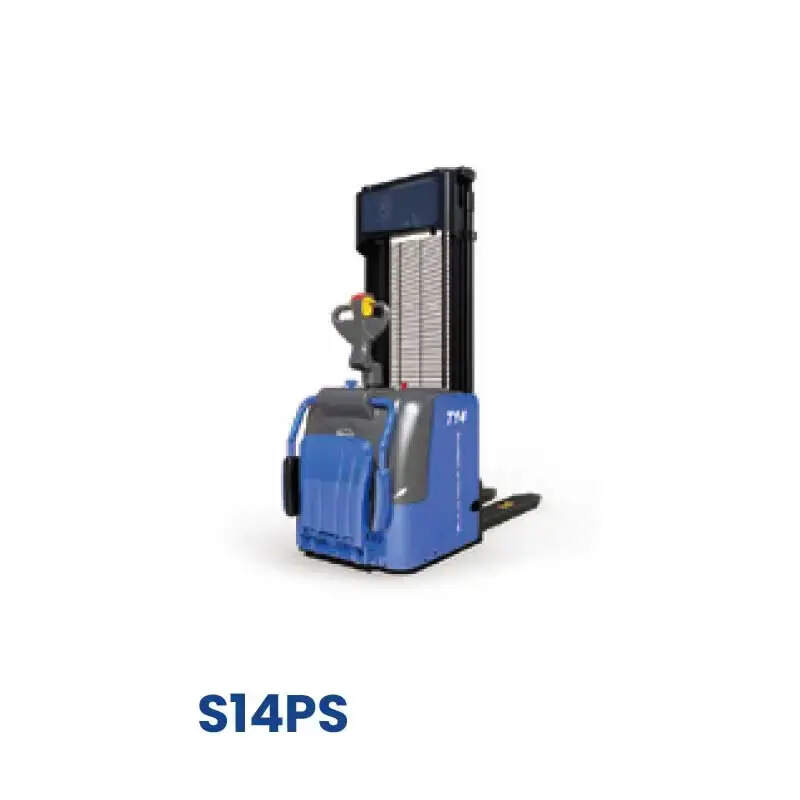
In modern warehouse daily operations, electric forklifts are widely used for material handling and goods transit due to their low noise and zero local emission features. Unintended collisions between moving electric forklifts and fixed warehouse racking systems are one of the most common hidden risks in warehouse scenarios, which may lead to deformed rack components, falling stored goods, unexpected operation suspension and even potential injury risks for nearby staff. Implementing systematic, multi-dimensional prevention measures can effectively reduce the occurrence probability of such accidents, and create a more stable and orderly working environment for all warehouse practitioners.
The first core part of prevention work focuses on standardized personnel management and pre-operation training. All staff who operate electric forklifts need to complete full systematic skill training and pass corresponding operation assessment before they are allowed to take independent posts. The training content should cover the structure features of local warehouse racking systems, reserved safe distance requirements for different rack areas, and proper operation posture for lifting and placing goods at different heights. The warehouse management team should make clear speed limit rules for different zones inside the facility, requiring the maximum driving speed of electric forklifts in dense rack areas not exceed 5km/h, and the speed be further reduced to lower than 2km/h when making turns or passing narrow aisles. Operators are required to keep full attention on the surrounding environment during the whole driving process, and are strictly forbidden to use portable electronic devices that may distract their attention while operating the equipment.
The second part of prevention measures is targeted at hardware facility optimization. It is recommended to install flexible, high toughness anti-collision protection accessories on the bottom of all racking system columns, especially for the columns located at aisle intersections and turning points. Clear and eye-safe marking lines should be drawn on the ground of all operation aisles, to mark the exclusive driving path for electric forklifts, and indicate the minimum 30cm safe distance that should be kept between the moving vehicle and nearby rack structures. For high-risk zones near heavy load storage racks, non-contact prompt devices can be installed at the aisle entrance, which will send out soft sound and light reminders automatically when an electric forklift drives into the preset warning area. The electric forklifts can also be equipped with customized speed limiting modules, which will automatically reduce the maximum allowable driving speed once the vehicle enters the pre-marked rack dense area.
The third part of the whole prevention system is establishing regular inspection and iteration mechanism. Before each shift, electric forklift operators need to check the sensitivity of the braking system, steering system and lifting control structure first, and report any abnormal situation for professional maintenance in time, instead of operating the equipment with hidden faults. The management team should arrange special personnel to conduct weekly inspection for all racking system components, fasten loose connecting bolts in time, and carry out load performance test for any rack column that suffers slight unintentional impact, to confirm its load bearing capacity meets the safety standard before putting it back into use. The warehouse team can organize monthly safety sharing meetings, to collect potential hidden risks found in daily operation, update corresponding operation requirements properly, and help all practitioners build a long-term stable safety awareness, to keep the collision risk under effective control in the whole warehouse operation process.


