
 English
 简体中文
 Русский
 Français
 Português
 لالعربية


If you work in warehouse operation, logistics management or related material handling fields, you may have heard the two terms walkie stackers and pallet stackers very often, and many people even regard them as completely identical devices for long term. This misunderstanding often leads to improper equipment selection, which may cause unnecessary cost waste or unmet operation demand in actual daily work.
To start with, we need to make clear the category logic of these two concepts. Pallet stackers refer to a broader general category of material handling equipment that can realize pallet carrying, vertical lifting and stacking operations. This large category covers all types of pallet stacking equipment with different operation modes, no matter the operator controls the device on foot, stands on the integrated platform, or sits on the dedicated seat. In this context, walkie stackers are a specific subdivision product under the pallet stacker family, instead of an independent parallel category.
The core feature that defines a walkie stacker is its full foot-following operation design. This type of device does not reserve any standing or seating space for the operator. Staff need to walk alongside the whole equipment during operation, and control all functions including walking, steering, lifting and lowering through the ergonomic operation handle on the device. The maximum running speed of walkie stackers is usually set at a relatively low and safe level, which fully avoids collision risks in narrow channels, and the equipment itself also takes up smaller overall space.
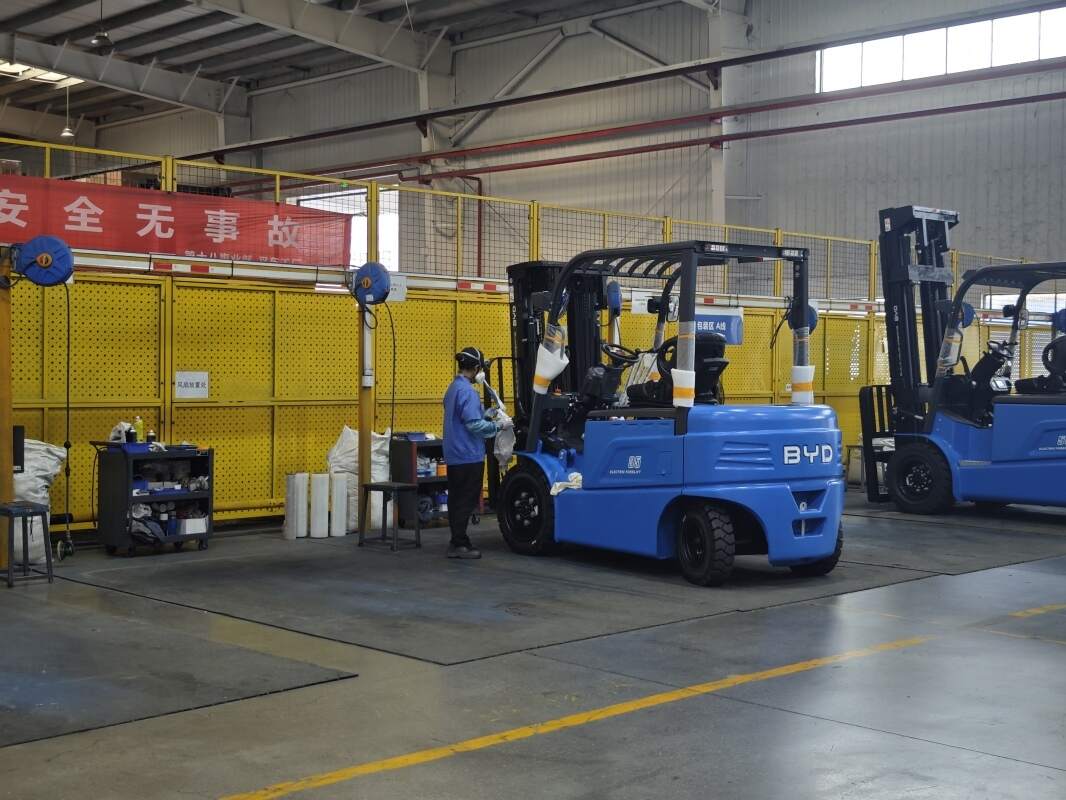
For other subdivision products under the broad pallet stacker category, manufacturers can add optional standing pedals, protective armrests or even comfortable seats according to actual functional demands. These models can support longer distance horizontal material transportation, and the maximum lifting height can also reach higher levels to adapt to high-position storage rack scenes. When choosing suitable equipment, you do not need to limit your demand within the walkie stacker scope if you have long-distance transfer or high-lift stacking requirements.
For small retail back storage, e-commerce front warehouse, store stocking area and other scenarios with small operation area, narrow channels and short single handling distance, the walkie stacker is a cost-effective option that can fully meet daily use demand. For large distribution centers, high-bay rack warehouses and other scenes with large operation volume, long handling distance and high efficiency requirements, you can choose the corresponding pallet stacker models with larger load capacity, higher lifting height or man-carrying design.
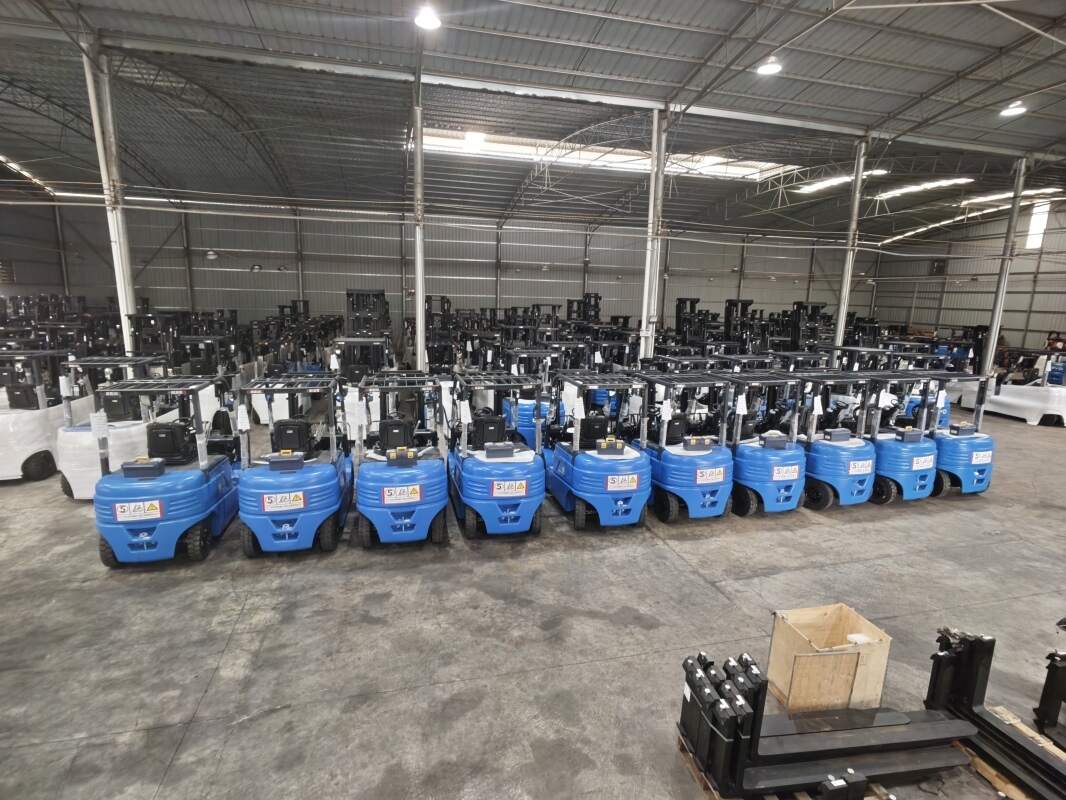
When selecting suitable handling equipment for your own scenarios, it is recommended to confirm the category attribution and specific parameters of the product first, instead of mixing up the two concepts directly. We are Jianshu New Energy, focusing on BYD electric forklifts, and we can provide professional customized matching suggestions for different operation scenarios. If you have any relevant consultation demands, you can send emails to [email protected] for exclusive technical support.


