
 English
 简体中文
 Русский
 Français
 Português
 لالعربية


Four-wheel electric forklifts serve as reliable core equipment for a wide range of material handling scenarios, including indoor high-bay warehouses, outdoor manufacturing yards and logistics transfer stations. A complete set of standardized inspection and maintenance routines helps operators use the equipment in a more compliant way, reduce unnecessary wear of key components, lower unplanned downtime rate, and create a safer working environment for all on-site staff.
The first part of the checklist covers all inspection items before starting the daily shift. Operators need to walk around the vehicle first to check the wear condition of all four tires, remove stones or other hard foreign matters embedded in the tire tread, check if there is any hydraulic oil leakage trace on the pipeline connections of the mast, and confirm all external mounting parts are in firm condition. Next, operators should check the battery level display, confirm the power connection ports are free of corrosion or loose contact, test the foot brake pedal for stable and sensitive feedback, verify the parking brake can lock the wheels firmly, and check all safety components including warning lights, reverse buzzer and travel limit switches can function normally.
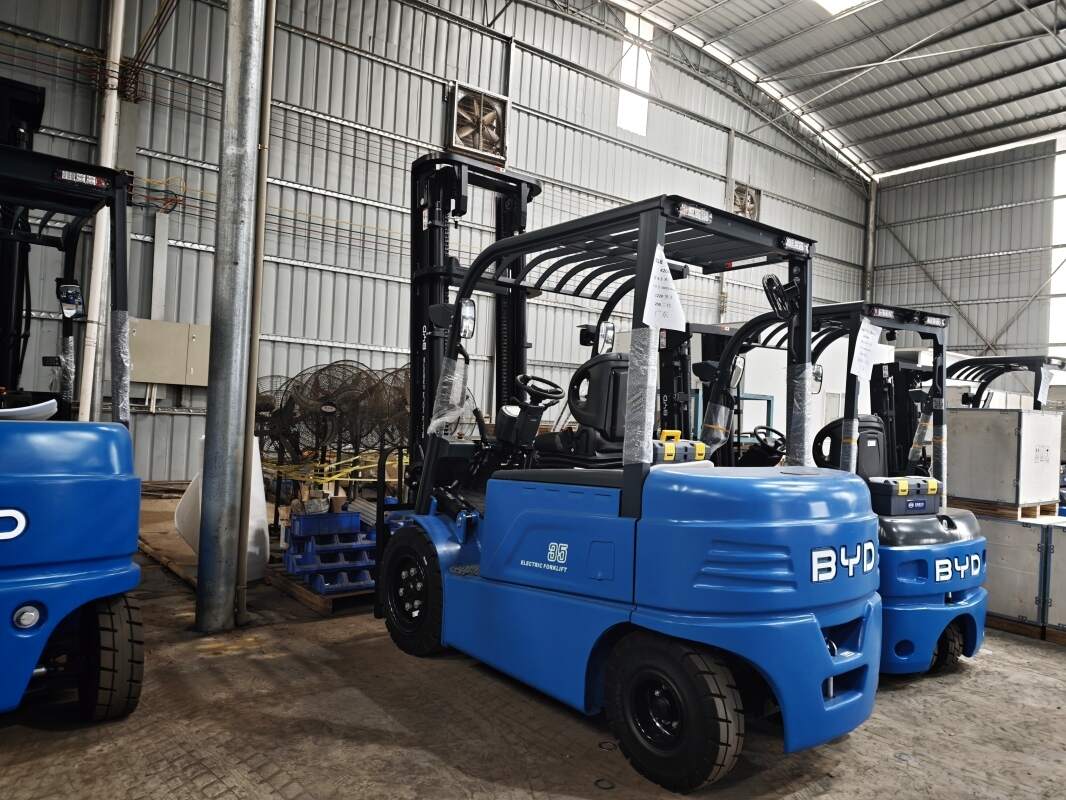
The second part focuses on the in-operation check items during daily work. After starting the vehicle, operators should drive at a very low speed for a short distance to test the steering system for smooth response, and listen for any abnormal noise or unusual vibration from the drive system. When lifting the forks for the first time of the shift, observe the mast lifting and tilting movement to make sure there is no stuck or unsmooth condition. Operators shall pay close attention to the indicator lights on the dashboard at any time during operation, and pull the vehicle to a safe designated area for inspection immediately if any abnormal prompt appears, instead of forcing the vehicle to keep working.
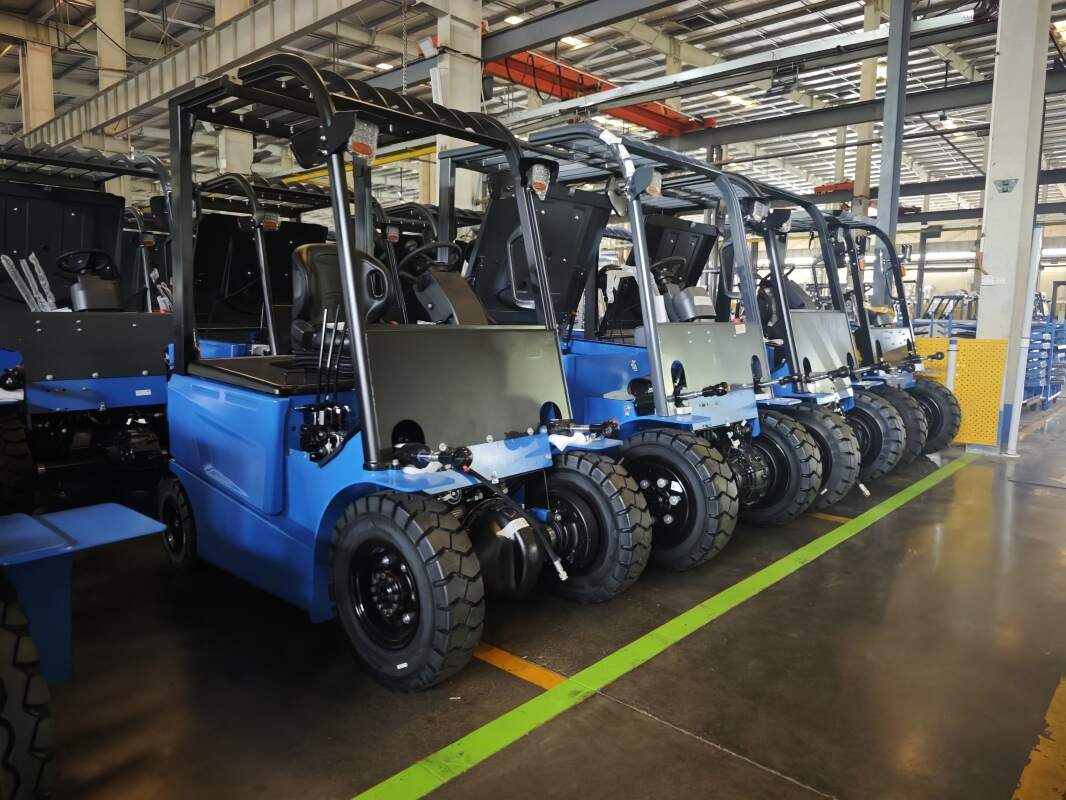
The last part of the checklist covers post-operation routines after finishing all daily tasks. Operators need to park the vehicle at the designated charging position, lower the forks completely to the ground, pull up the parking brake, and turn off all power switches before leaving the seat. Clean up the dust and residual sundries on the vehicle surface, check the battery shell for overheating or abnormal deformation, confirm the charging cable is connected firmly before starting the charging process. It is also suggested to record all abnormal conditions found during the shift, and inform the maintenance team for follow-up processing in time.
We are Jianshu New Energy, focusing on BYD electric forklifts. If you have any demands for electric forklift related consultation or service support, you can send emails to [email protected] for professional responses.


