
 English
 简体中文
简体中文 Русский
 Français
 Português
 لالعربية

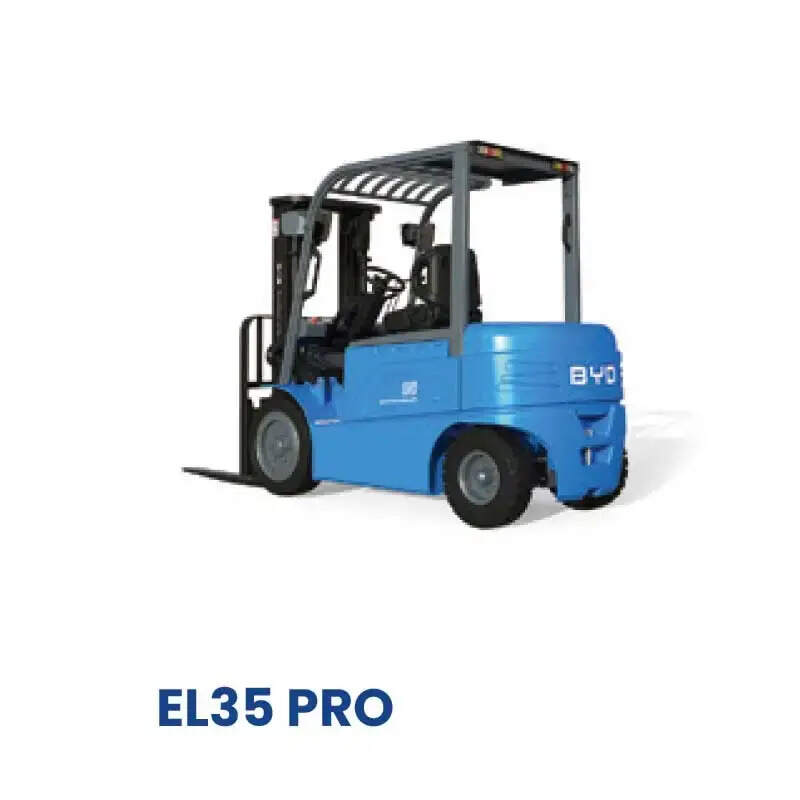
Against the backdrop of global low-carbon transformation, lithium-powered forklifts have witnessed steady penetration in warehousing, manufacturing, ports and other material handling scenarios over the past decade. In the early stage of industry development, most safety certification frameworks for lithium forklifts were adapted from the existing specifications for lead-acid powered industrial vehicles, which did not form targeted assessment rules matching the unique chemical and electrical characteristics of lithium battery systems. This mismatch gradually exposed hidden safety risks in actual operation, driving the continuous optimization and evolution of the global lithium forklift safety certification system.
The first notable trend of certification evolution is the completion of targeted special assessment clauses for lithium battery systems. Earlier forklift safety certification only focused on basic indicators including vehicle structural stability, electrical insulation performance and operator protection structure, while the updated current standards add dedicated test items covering lithium cell thermal stability, battery management system function verification, and full-scenario simulation of overcharge, overdischarge and short circuit risks. These mandatory test items effectively eliminate unqualified products with hidden safety hazards from entering the market, and build a solid first line of defense for frontline operation.
The second development trend is the expansion of scenario-adaptive certification coverage. Traditional safety certification for industrial forklifts is mostly formulated for standard indoor flat ground operation scenarios, while the new generation certification system extends the assessment scope to more special application scenarios including low-temperature high-altitude areas, narrow closed aisles, and heavy-load long-time continuous operation environments. Manufacturers are required to submit continuous operation safety data corresponding to different scenarios, to ensure that the equipment can maintain stable safety performance under diverse working conditions.
The third emerging trend is the construction of full-lifecycle safety certification system. In the past, the validity of forklift safety certification was bounded to the factory inspection of new products, and the safety requirements for subsequent use and maintenance stages were not included in the mandatory assessment scope. The latest updated certification norms are gradually incorporating the standard requirements for regular equipment maintenance, lithium battery cascade utilization, and end-of-life recycling processes, requiring operation entities to keep complete full-chain safety records of each vehicle, so as to realize closed-loop safety management from production to scrapping.
The continuous evolution of lithium forklift safety certification is not an unnecessary threshold for the industry, but a proactive layout to cope with the expanding application scale of lithium-powered material handling equipment. It helps all stakeholders in the industrial vehicle sector to establish a unified, clear safety operation benchmark, and promotes the long-term healthy and sustainable development of the whole industry.


