
 English
 简体中文
简体中文 Русский
 Français
 Português
 لالعربية

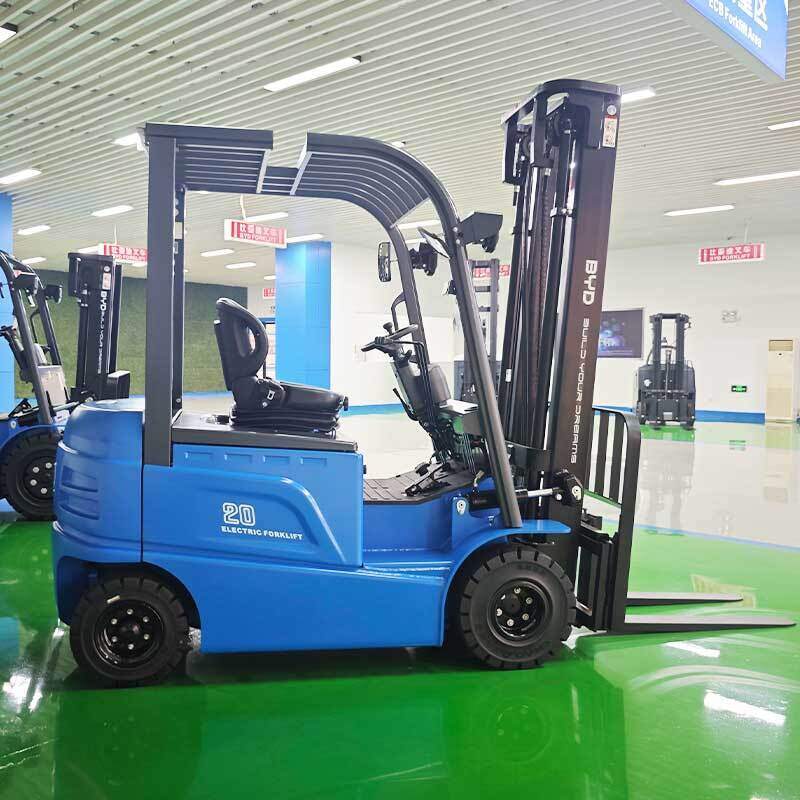
In recent years, as the global material handling industry accelerates its transformation to low-carbon and intelligent operation, the electric forklift retrofit and upgrade service market has maintained steady growth, attracting wide attention from fleet operators of manufacturing, logistics, port and warehousing sectors. Unlike replacing old equipment with brand-new units, targeted retrofit and upgrade services make full use of the original load-bearing structure, hydraulic system and chassis of in-use forklifts, to carry out standardized technical transformation, which effectively reduces unnecessary asset waste while meeting new operation requirements.
The first core driver of the market expansion comes from the popularization of low-carbon operation requirements across different regions. Many industrial parks and logistics hubs have put forward clear carbon emission reduction targets for internal operation vehicles. For a large number of small and medium-sized operation entities, the one-time capital expenditure for full replacement of old internal combustion forklifts or outdated electric forklifts with new units is relatively high, which will bring great pressure to short-term cash flow. A standard compliant retrofit solution usually costs only 30% to 55% of the price of a new same-specification electric forklift, with an investment recovery period of 18 to 28 months, which is widely recognized by most operation entities.
At present, mainstream retrofit and upgrade services in the market are mainly divided into two categories. The first category is power system retrofitting, which usually transforms qualified internal combustion forklifts into pure electric driving units, or replaces the outdated lead-acid battery system on old electric forklifts with high-safety lithium battery packs, matched with intelligent battery management system, to effectively extend the continuous working duration by more than 30%, and cut the daily maintenance cost of the power system by around 40%. The second category is function module upgrade, which adds auxiliary operation modules including real-time load monitoring, active collision warning, automatic navigation for narrow channel operation on the basis of original vehicle safety structure, to adapt to the operation requirements of intelligent warehousing scenarios.
In the future development of the market, two obvious trends are worth noting. First, relevant industrial safety specifications for retrofit services will be gradually improved, and all finished retrofit units need to pass strict performance test before delivery to ensure full compliance with industrial vehicle safety operation standards. Second, customized service will account for a higher proportion, service providers will launch targeted solutions according to different operation scenarios such as low-temperature cold storage, heavy cargo handling and dust-intensive workshops, to meet differentiated user demands. For most fleet operators, choosing formal retrofit and upgrade services can balance equipment use efficiency and operation cost, and help realize the steady transformation of material handling systems.


