
 English
 简体中文
 Русский
 Français
 Português
 لالعربية


Agriculture facilities cover multiple operation scenarios including crop storage yards, fresh product cold chains, feed processing zones and agrochemical storage areas, where stable, clean material handling tools are core to smooth daily operations. Deploying a BYD lithium forklift needs systematic planning to match actual operation demands, so as to give full play to its performance advantages in farm scenarios.
First, conduct full scenario assessment before deployment. You can sort out core parameters of daily operation first, including average daily working hours, maximum load weight of frequent transported goods, percentage of outdoor and indoor operation routes, and environmental features such as dust concentration, air humidity and road slope in the facility area. This assessment can help confirm proper forklift tonnage, mast lifting height and corresponding configuration, to avoid mismatching between equipment performance and actual demands.
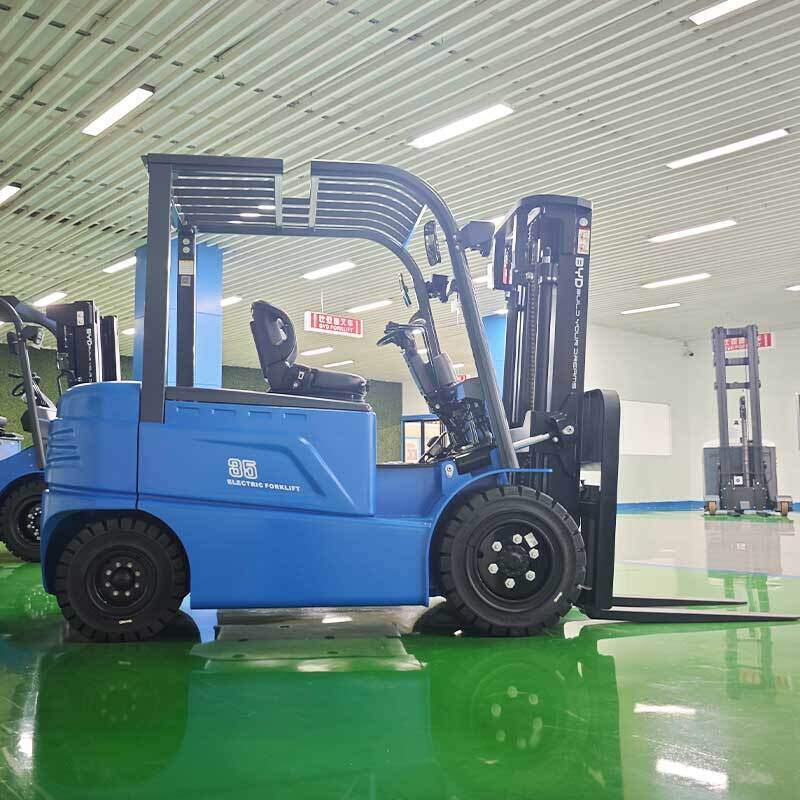
Second, complete site adaptation pre-arrangement. Reasonably set up dedicated charging points in the fixed rest area of the operation zone, no need to arrange extra special battery replacement space, which can save the limited storage space originally reserved for agricultural products. Keep the main passage of the facility at a proper width that matches the turning radius of the forklift, and paste anti-skid reminder marks on the sections often wetted by dew or cleaning water in the farm, to ensure safe driving of the equipment.
Third, optimize operation schedule and cost control. The BYD lithium forklift supports short-time opportunistic charging in operation breaks, which can well adapt to the peak operation periods such as harvest season when continuous material handling is required. It produces no exhaust emission and no oil leakage risk during operation, which will not pollute grains, fresh fruits and vegetables and other agricultural products that are in direct contact with the handling process, conforming to the hygiene management requirements of modern agricultural facilities.
Finally, arrange simple daily maintenance rules. Arrange 1 to 2 operators to receive basic operation training, regularly check the dustproof and waterproof parts of the forklift body after daily work, no need to carry out tedious electrolyte inspection and other maintenance work required by traditional batteries, which can reduce the input of manpower and time in later operation.
If you need customized planning guidance for BYD lithium forklift deployment, we are Jianshu New Energy, focusing on BYD electric forklift related services, you can send email to [email protected] for more professional support.


