
 English
 简体中文
简体中文 Русский
 Français
 Português
 لالعربية

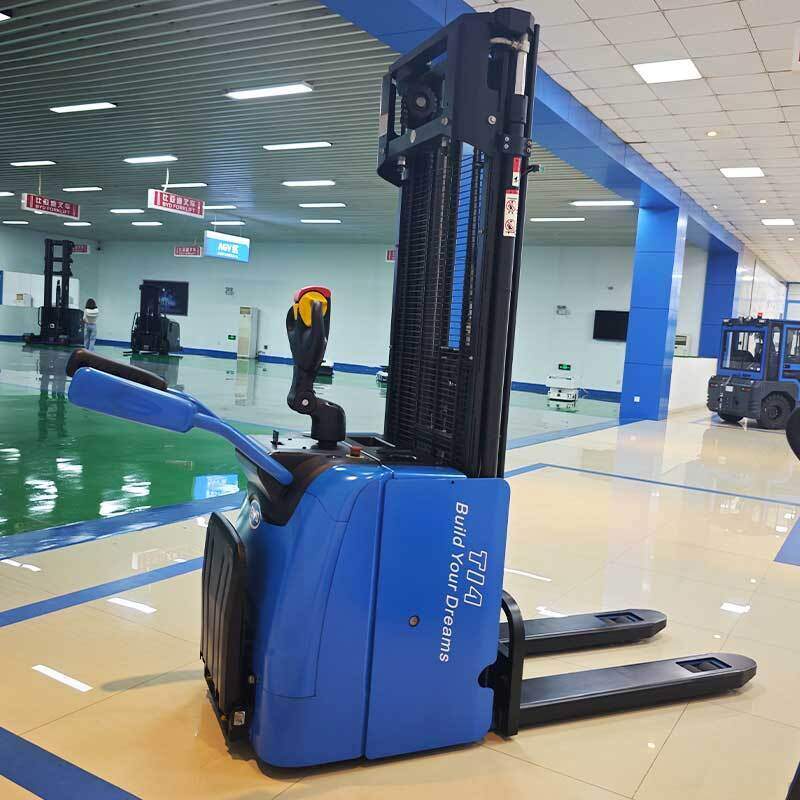
In daily industrial and warehouse material handling scenarios, electric forklifts are core work equipment that support continuous cargo transportation, stacking and sorting tasks. Many operation teams tend to focus on vehicle purchase and regular mechanical maintenance, while overlooking the critical value of cultivating frontline operator awareness of charging-time management, which often leads to unexpected downtime, shortened battery service life, and hidden safety risks that disrupt normal work arrangements.
Many common improper operation habits are directly related to insufficient awareness of charging-time management. A large number of frontline operators are used to running the battery to full depletion before starting the charging process, or do not arrange charging work until the remaining battery power drops below 20% during peak operation hours. These unregulated behaviors not only extend the total waiting time for charging to catch up with operation demands, but also accelerate the aging of active materials inside the battery. After long-term accumulation, the actual available capacity of the battery will drop by 15% to 20%, which indirectly increases the overall operation cost of the fleet.
Cultivating correct charging-time management awareness should be integrated into the daily pre-shift training system for all operators. Teams can guide operators to make simple charging schedule records in daily shifts, make full use of the 15 to 20 minute gap during shift handover or short break to arrange opportunity charging when the remaining battery power is between 30% and 80%, instead of waiting for the battery to be completely drained. Operators should also avoid starting the charging process immediately after the forklift finishes high-load operation, wait until the battery temperature drops back to the normal working range before connecting to the charging device, to avoid performance loss caused by overheating.
When all frontline operators establish standardized awareness of charging-time management, the overall availability of the electric forklift fleet can be significantly improved, the frequency of unplanned shutdowns can be greatly reduced, the full life cycle use cost of batteries can be reasonably controlled, and safety hazards such as overcharging and circuit overload can be effectively avoided, laying a solid foundation for stable and efficient on-site operation.


