English
 简体中文
 Русский
 Français
 Português
 لالعربية


Electric forklifts have become core material handling equipment for modern warehouses, logistics parks and manufacturing workshops, supporting efficient and stable daily operation of goods transfer. Among all daily maintenance items, the charging process is often overlooked by frontline operators, while non-standard operations may lead to shortened battery service life, unexpected operation downtime and even potential safety hazards. Mastering systematic and scientific safe charging rules is a basic requirement for every material handling team to build a stable and low-risk operation system.
Before starting any charging activity, the first step is to confirm the charging environment meets basic safety standards. The designated charging area should be kept well ventilated, far away from flammable and stacked goods, and equipped with suitable fire protection facilities. It is not allowed to charge electric forklifts randomly in the open operation area without any safety protection. Operators need to check the status of the charging port and battery shell before connecting the power, to confirm there is no crack, liquid leakage or abnormal deformation on the related parts. It is recommended to arrange charging when the remaining battery power stays at 20% to 30%, instead of waiting for full depletion of the power, which will cause extra damage to the internal battery structure.
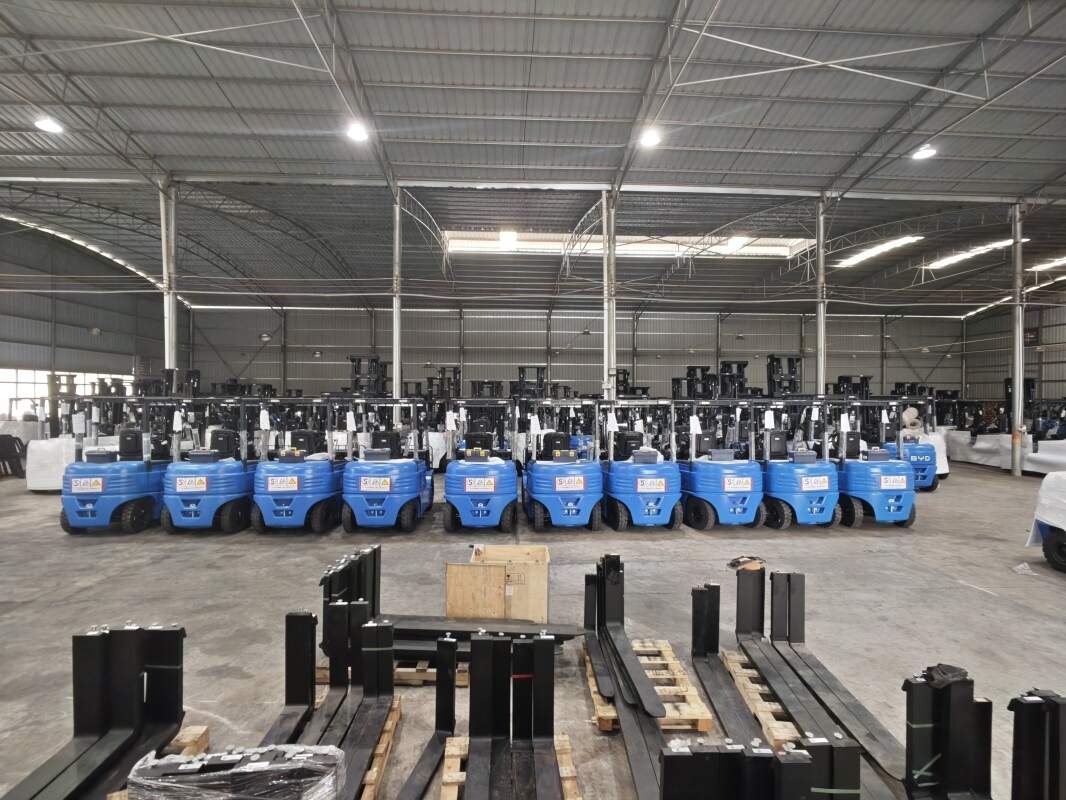
During the whole charging process, operators should avoid violent pulling of charging cables, and make sure the charging port is fully and firmly connected after alignment. Do not open the battery compartment cover at will during charging, and no sundries are allowed to be stacked around the parked forklift that is under charging. Operation teams need to arrange regular patrols to check the charging status, to prevent the battery from staying in overcharge state for a long time. Obvious warning signs should be set up around the charging area to prevent non-related personnel from touching the charging equipment by mistake.
After the charging process is fully completed, operators should disconnect the power supply first before unplugging the charging interface, and arrange the charging cables to the designated storage position properly. It is suggested to check the battery shell temperature returns to normal room temperature before putting the forklift back into operation, avoid arranging full-load heavy duty work for the forklift immediately right after charging.
Standardized safe charging operations can effectively extend the overall service life of electric forklifts, reduce long-term operation and maintenance costs, and fully protect the safety of personnel and assets in the work site. We are Jian Shu New Energy, focusing on BYD electric forklifts, you can contact us via [email protected] for more professional support and customized solutions.