English
 简体中文
 Русский
 Français
 Português
 لالعربية


In recent years, the fast growing logistics, agricultural processing, port cargo handling and manufacturing sectors in Mali have driven rising demand for stable, cost-effective four-wheel forklifts for daily material handling work. Many local enterprise operators are facing a common purchasing dilemma: choosing between lithium-ion battery powered four-wheel forklifts and traditional lead-acid battery forklifts, and the core of the decision-making process often focuses on the actual cost input across different usage stages.
At the initial procurement stage, the nominal purchase price of lead-acid four-wheel forklifts is generally lower than that of lithium-ion forklifts with the same load capacity and configuration, which is the primary factor that attracts users with limited short-term budget. However, many users tend to ignore the hidden supporting costs of lead-acid forklifts at this stage. Lead-acid batteries require independent dedicated charging areas with good ventilation, special chargers that support equalizing charge, and matching protective tools for daily battery maintenance. After adding these necessary supporting inputs, the gap between the initial total investment of lead-acid products and lithium-ion products will be greatly narrowed.
In the daily operation stage, the operation cost gap between the two types of forklifts begins to show up. The power conversion efficiency of lithium-ion batteries is 30% higher than that of traditional lead-acid batteries under normal working conditions, which means that lithium-ion four-wheel forklifts consume less electricity to complete the same handling tasks. Combined with the local industrial electricity price level in Mali, the accumulated electricity cost savings during long-term continuous operation can bring considerable benefits to enterprises. Besides, lead-acid batteries have strict limits on discharge depth, which usually cannot exceed 80% of the rated capacity, otherwise the battery cycle life will be significantly shortened. Improper operation is very common in daily work, which may lead to premature battery failure. Lithium-ion batteries can support a discharge depth of more than 90%, and can provide longer available working hours after single charge, which is more suitable for the continuous operation scenarios of local ports, grain processing plants and large warehouses.
When calculating the total cost over the full life cycle, the advantage of lithium-ion four-wheel forklifts becomes more prominent. In normal working environments, the cycle life of lead-acid batteries ranges from 1000 to 1500 charge-discharge cycles, while the cycle life of lithium-ion batteries can exceed 5000 cycles. Within the 10-year service life of a standard four-wheel forklift, lead-acid products need to replace the battery for 2 to 3 times at least, and each battery replacement cost accounts for nearly 30% of the initial vehicle purchase cost. Overlaying the regular maintenance cost including electrolyte supplement, battery cleaning, fault troubleshooting and labor cost, the total expenditure of lead-acid forklifts in the whole life cycle is higher than that of lithium-ion products. In addition, most areas of Mali have a long period of high temperature throughout the year, and the attenuation rate of lead-acid batteries will accelerate significantly when the ambient temperature exceeds 35 degrees, leading to the actual service life lower than the nominal parameter. The wide temperature adaptability of lithium-ion products is more suitable for the local climate, reducing the extra loss caused by high temperature.
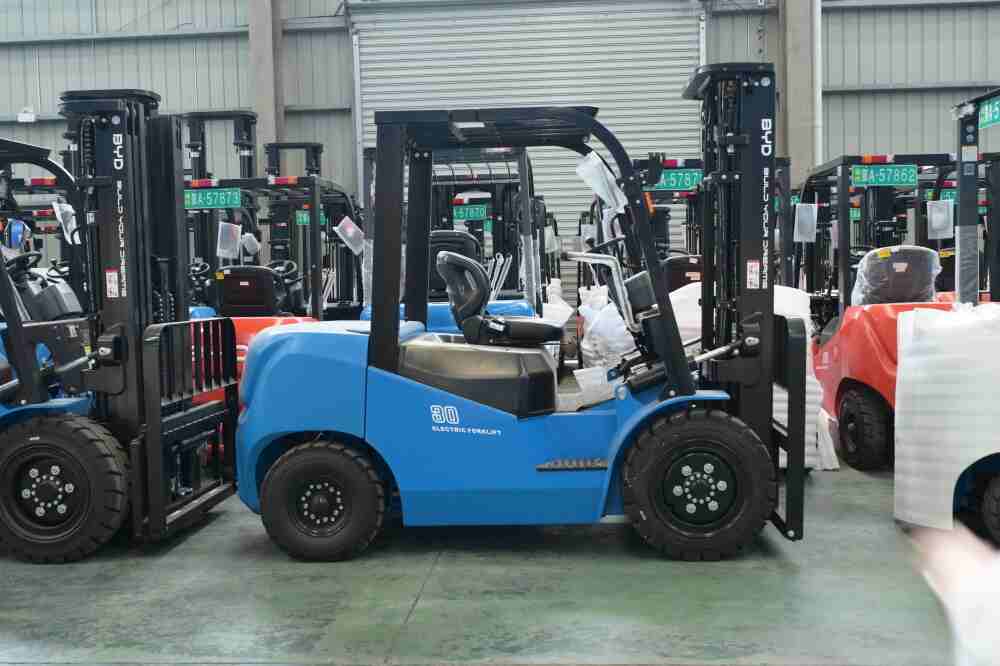
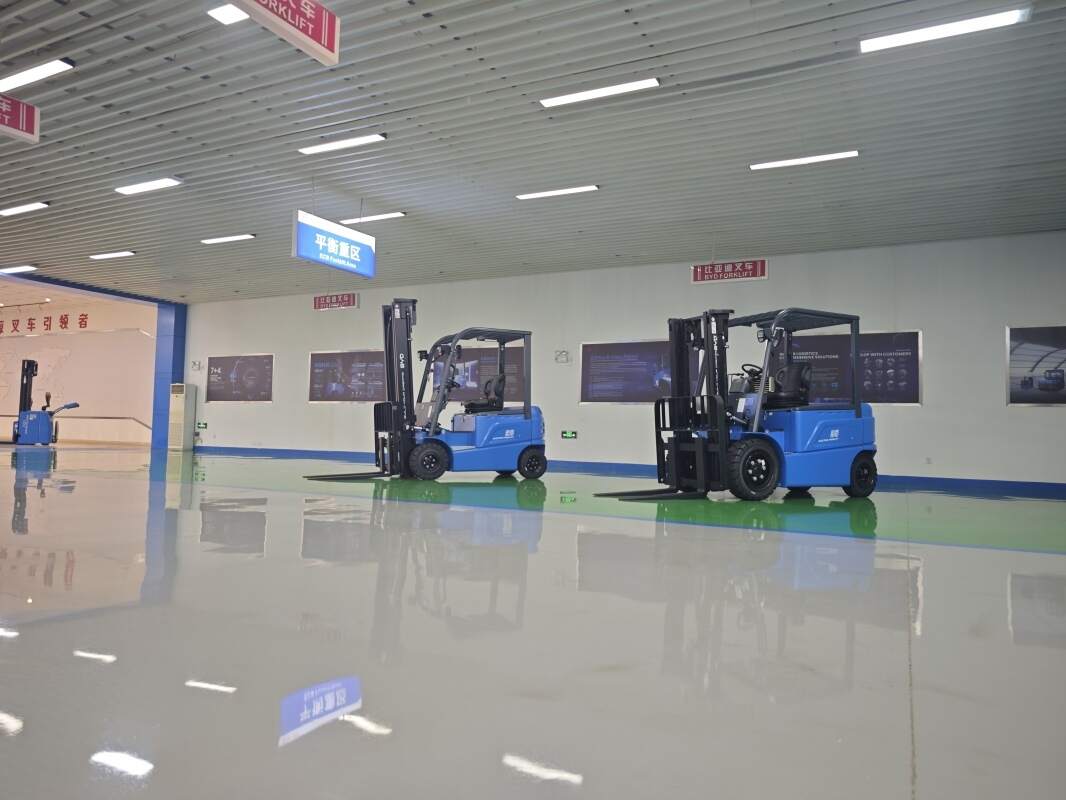
We are Jianshu New Energy, focusing on BYD electric forklifts. We provide customized cost evaluation and product matching services for local Mali customers according to actual operation scenarios. If you have relevant demands, please send email to [email protected] for more professional consultation.