
 English
 简体中文
 Русский
 Français
 Português
 لالعربية


As low-carbon operation requirements become more widely adopted across the logistics, manufacturing and warehousing sectors, more operation teams are starting to evaluate lithium forklifts as a core upgrade for their material handling fleet. Before making the final purchasing decision, there are several practical, user-centric factors worth full consideration to match the equipment with your actual operation needs.
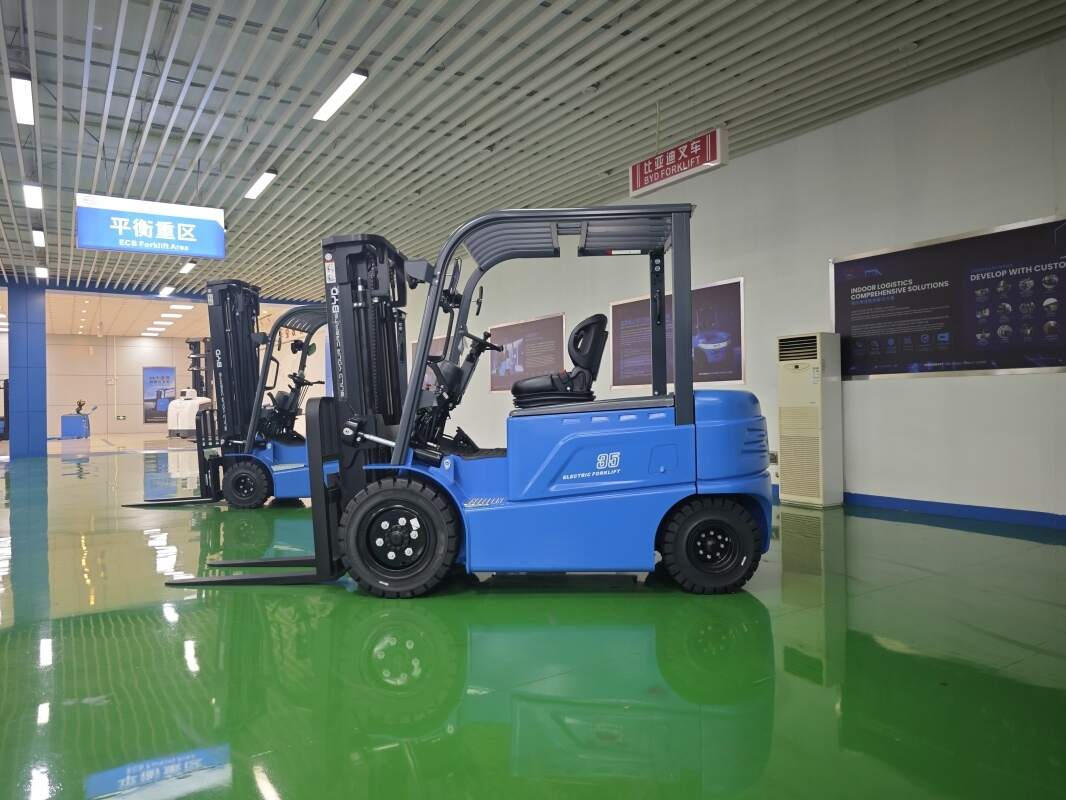
First, you need to calculate the full lifecycle cost instead of only focusing on the upfront purchasing price. A lithium forklift usually carries a slightly higher initial cost than traditional lead-acid counterparts or internal combustion forklifts, but it brings stable long-term returns for most operation scenarios. Unlike traditional batteries that require regular water replenishment, acid testing and other routine maintenance work, the lithium battery pack for forklift use supports low daily maintenance, and its energy conversion efficiency is much higher than traditional solutions, which can effectively cut your daily power or fuel expenditure. For multi-shift operation sites, lithium forklifts also support opportunity charging during staff break time, which eliminates the need to reserve extra space for battery replacement and reduces the corresponding labor input for battery swapping.
Second, evaluate the scenario adaptability to make sure the equipment can fit your daily operation rhythm. Lithium forklifts produce zero exhaust emission during operation, which is very suitable for closed indoor warehouses, food processing workshops and other scenarios that have strict requirements on air quality. The stable output of battery power also ensures consistent operation performance even in low-temperature cold storage or high-intensity continuous operation scenarios, with no obvious drop of working efficiency within the rated load range. You do not need to reserve special exhaust ventilation areas or flammable fuel storage zones for lithium forklifts, which further optimizes the space layout of your operation site.
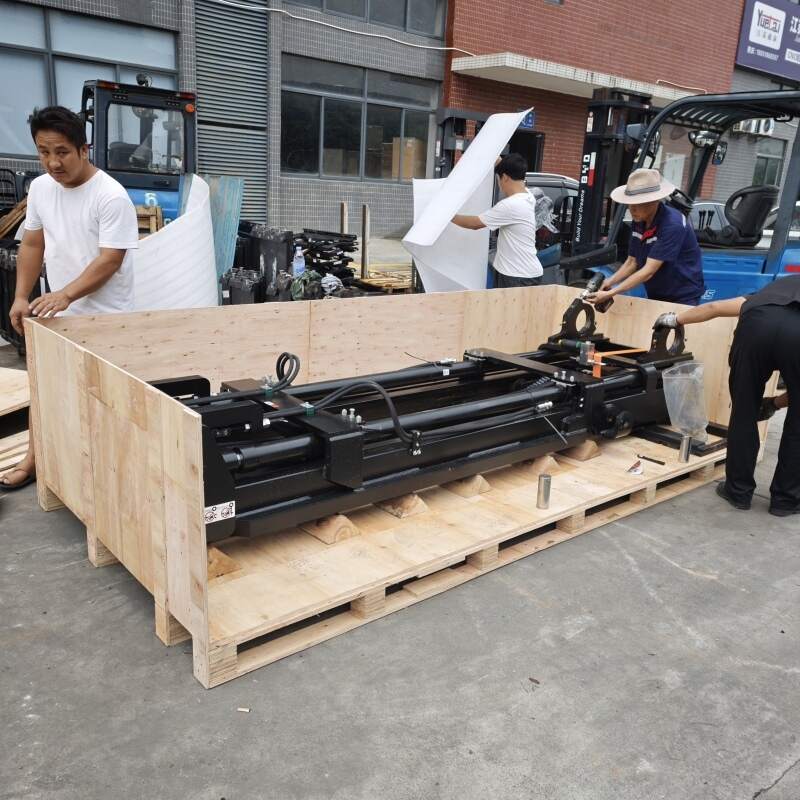
Third, confirm the compliance value that matches local industrial operation regulations. In recent years, more regions have rolled out relevant policies to guide the replacement of high-emission material handling equipment, and lithium forklifts can meet the relevant low-emission operation requirements, avoiding the risk of being restricted for use in core operation areas in the later stage.
As a professional supplier in this field, we are Treeshine New Energy, focusing on BYD electric forklifts. If you have any demand for customized solution consultation or product inquiry, you can send an email to [email protected] to get professional targeted support.


