
 English
 简体中文
简体中文 Русский
 Français
 Português
 لالعربية

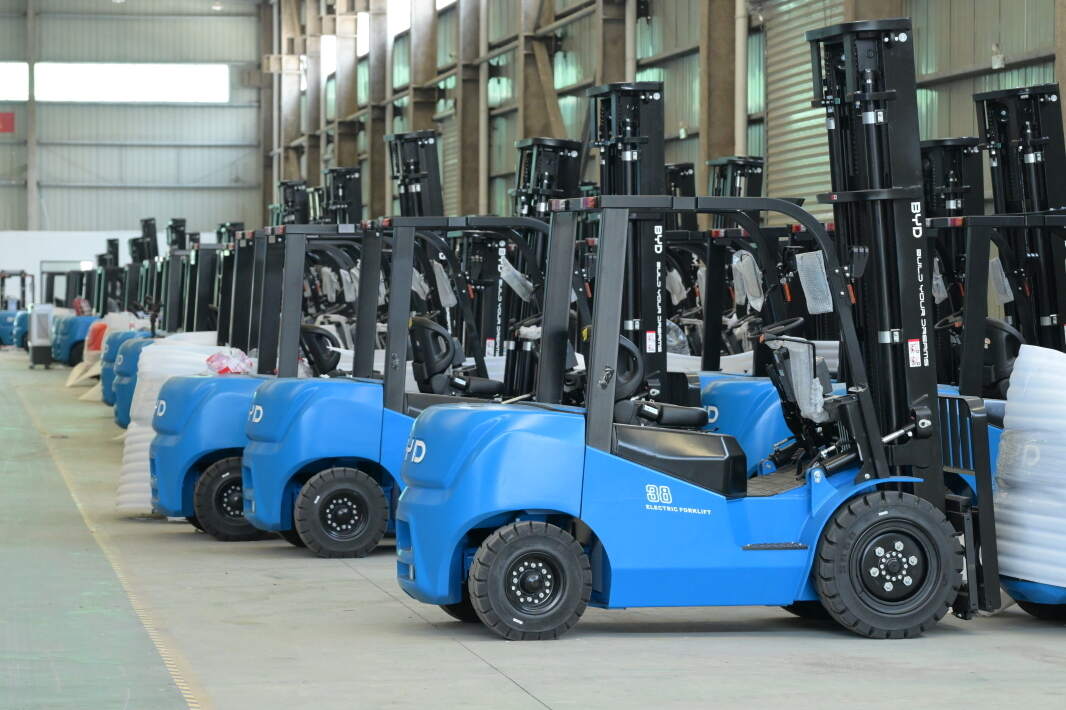
As electric forklifts are widely applied in modern warehouses, logistics yards and manufacturing workshops, operators often face complex dynamic scenarios with mixed pedestrian flows, stacked cargo and narrow passages, which may easily lead to operation errors or safety risks if key information is not delivered clearly in time. Properly designed visual aids and standardized signage can serve as convenient, low-cost and non-intrusive support for operators of all experience levels, helping them make correct decisions quickly without interrupting their normal operation rhythm.
First, set up scenario-specific fixed signage for core operation areas. Mark clear boundaries for forklift exclusive passages, pedestrian walking zones and cargo stacking areas with high-contrast, wear-resistant and reflective coating, so that operators can identify different functional areas even under dim light or rainy outdoor conditions. Post clear load limit signage on the edge of each loading platform, stacked cargo rack and temporary storage zone, to remind operators not to carry overweight cargo that exceeds the bearing capacity of relevant facilities. Add obvious blind spot reminder signs at intersections with blocked sight, to remind operators to slow down and send warning signals before passing through.
Second, paste targeted visual aids on the electric forklift body and in the cab. Print the rated load curve, allowed maximum lifting height and pre-operation inspection checklist on the inner side of the cab door, so that new operators can check key parameters at any time without turning over thick operation manuals. Post clear prompt stickers near the power battery compartment, operation lever and emergency stop button, to remind operators of correct operation steps for daily startup, shutdown, battery charging and emergency response. These close-range visual aids can effectively reduce misoperation caused by unfamiliarity with equipment parameters.
Third, deploy dynamic temporary signage for special operation scenarios. For temporary maintenance zones, cargo stacking adjustment areas and passage closure sections, place bright color temporary warning signs with clear graphic prompts, to remind operators to adjust their driving routes in advance. Add visual prompt marks around the charging area, to clarify the allowed parking position for forklifts, no-smoking zone and the standard sequence of plugging and unplugging charging connectors, to avoid safety accidents during energy replenishment. Regularly check all visual aids and signage every month, replace faded or damaged marks in time, to keep the whole supporting system effective at all times. Scientific layout of visual aids and signage will not cause extra burden for operators, but can form a persistent reminding effect in daily operation, effectively reduce the incidence of unnecessary safety incidents, and improve the overall operation efficiency of the whole material handling system.


