English
 简体中文
 Русский
 Français
 Português
 لالعربية


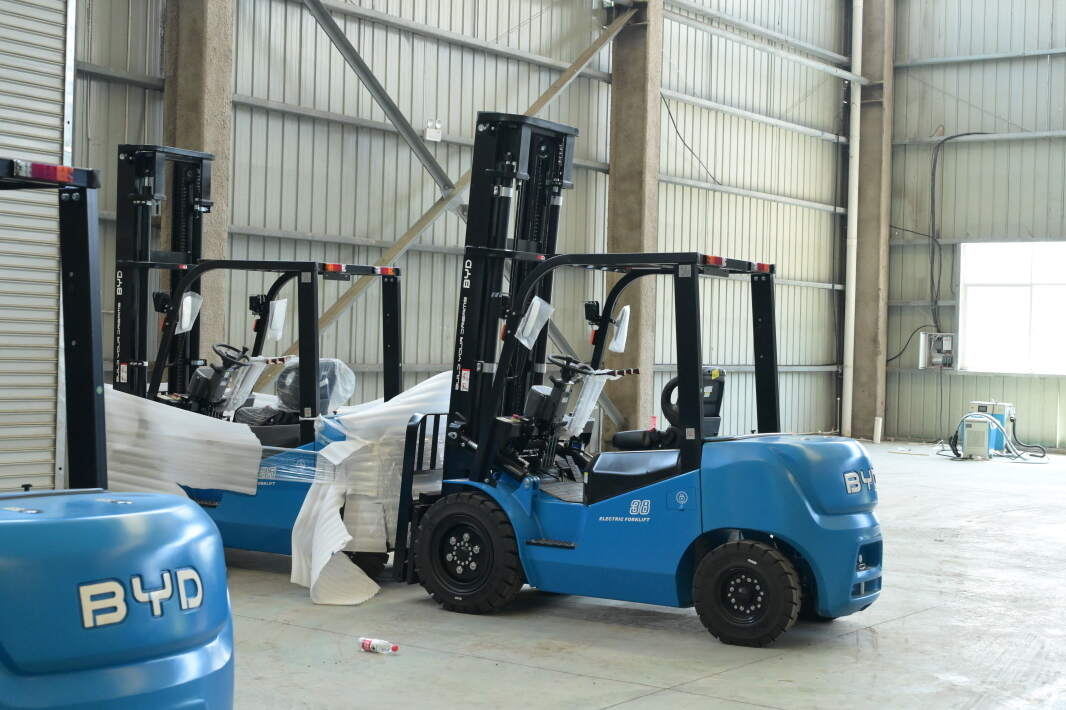
When lithium-powered material handling equipment gradually becomes the preferred choice for most warehouse, logistics and manufacturing scenarios, many enterprise users still lack systematic standards to evaluate the comprehensive performance of lithium forktrucks, which may lead to mismatched equipment and redundant operation cost in subsequent usage.
The first core dimension to evaluate lithium forktrucks is load and power matching performance. Users can combine their daily operation data, including the maximum regular cargo weight, maximum required lifting height, average daily operation duration, to verify the actual running state of the target equipment under full load condition. It is suggested to test the stable lifting speed, traveling speed and operation smoothness under full load, rather than only refer to the nominal parameters marked on the product specification. It is also necessary to check the performance stability when the equipment runs for more than 2 consecutive hours under full load, to confirm there is no obvious power attenuation that affects normal operation.
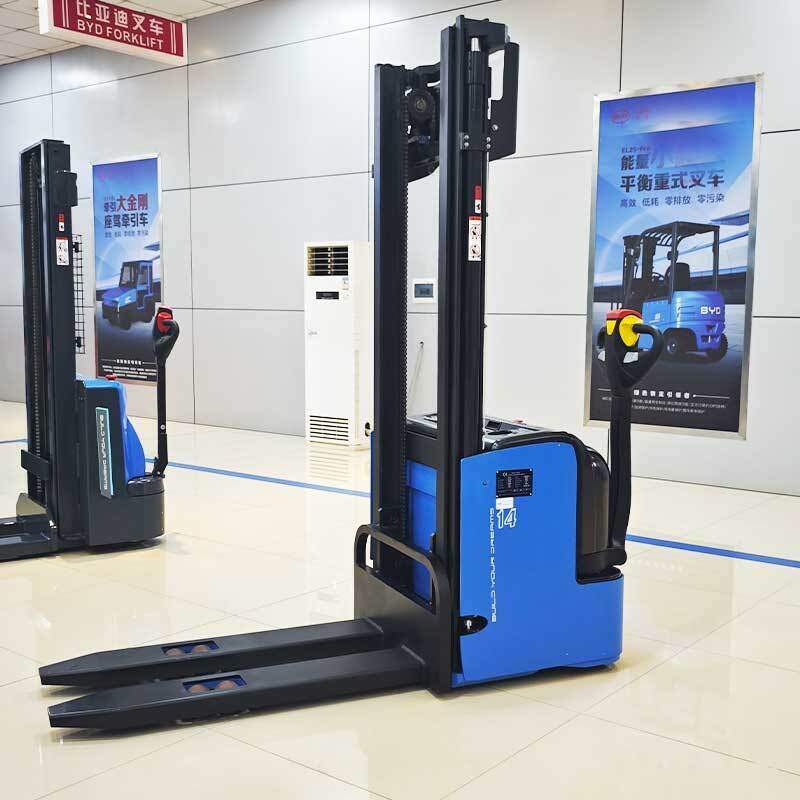
The second dimension focuses on the core lithium battery performance of the equipment. Users can check the official rated cycle life data of the battery pack, the actual charging efficiency under different charging power, and the operation stability under extreme temperature environment. For users who have operation demands in low temperature refrigeration warehouse or high temperature outdoor yard, it is necessary to confirm whether the battery management system can maintain stable output in corresponding temperature range, to avoid unexpected shutdown during peak operation period.
The third dimension is the full lifecycle cost assessment. Different from traditional lead-acid traction equipment, qualified lithium forktrucks do not need regular water replenishment, acid solution cleaning and other daily maintenance work, which can save a large amount of labor and consumable cost in long-term usage. Users can calculate the total input including initial purchase cost, daily power consumption, annual maintenance cost and estimated residual value after 5 to 8 years of usage, to get a clear total cost of ownership reference.
The fourth dimension is scenario adaptability evaluation. Users can test the turning radius of the forktruck in their actual operation channel, the noise level during operation, the convenience of daily access to the core components for routine check, to confirm the equipment can fit the existing operation flow without extra adjustment on the site environment.
If you need professional customized evaluation service for your actual operation scenario, Jian Shu New Energy is a professional provider focusing on BYD electric forktrucks, we can provide targeted performance test report and solution recommendation for your site condition. You can send email to [email protected] for more detailed supporting materials.