
 English
 简体中文
简体中文 Русский
 Français
 Português
 لالعربية

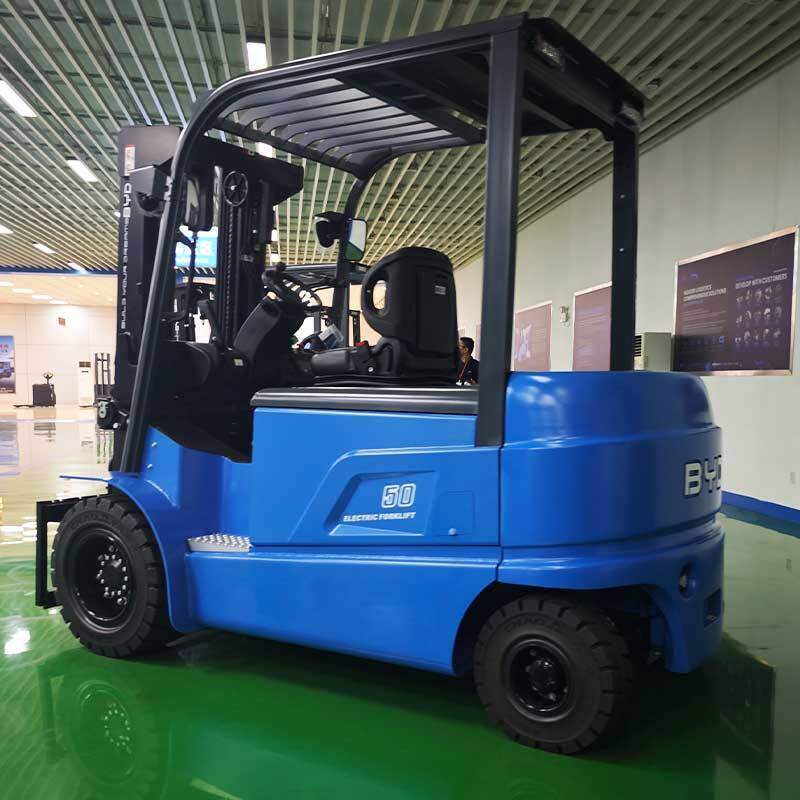
As the core equipment of modern warehouse and logistics material handling, electric forklift features low noise, zero local emission and flexible operation, which has been widely applied in multiple industrial scenarios in recent years. Mastering scientific usage and management rules can help operators give full play to the equipment’s advantages, reduce unnecessary wear and lower long-term operating cost for the team.
Core Operation Specifications for Daily Use
Before starting the equipment, operators need to check the surrounding working space to confirm no obstruction or unrelated personnel in the operation route. During the operation process, the moving speed should be adjusted according to the site condition, and sudden steering or sharp braking should be avoided as much as possible, which can reduce extra loss of tires and transmission components. When loading goods, the weight should be controlled within the rated load range, and the center of gravity of the goods should be kept at the proper position specified in the operation manual, to avoid tipping risks caused by unbalanced stress.
Routine Maintenance Measures to Extend Service Life
The daily maintenance work can be divided into three parts of daily pre-shift check, regular weekly inspection and quarterly professional overhaul. Operators need to wipe the surface of the equipment in time after each shift, check the battery power level and the tightness of the wiring interface, and avoid the situation of over-discharging the battery for a long time. For the wear parts such as forks and rollers, the wear degree should be inspected regularly, and replace the parts in time when they reach the wear limit, to avoid affecting the normal use state of the whole equipment.
Safety Management Best Practices for Working Scenarios
No personnel are allowed to stand or walk under the lifted fork arm in the working scene, and operators should wear corresponding protective work clothes as required during the whole operation process. For working scenarios with narrow channels or slippery ground, the operating route should be planned in advance, and the matching safety auxiliary facilities such as anti-collision warning devices should be used reasonably, to reduce the occurrence of accidental risks.
Performance Optimization for Different Working Conditions
For different application scenarios such as low-temperature cold storage, high-dust factory workshop and frequent high-intensity continuous operation, users can adjust the operation parameter setting of the equipment properly according to the official guidance, to make the equipment adapt to the special working environment better. Regularly train the operators to master correct operation skills, which can further improve the overall working efficiency of the material handling link.


