
 English
 简体中文
简体中文 Русский
 Français
 Português
 لالعربية

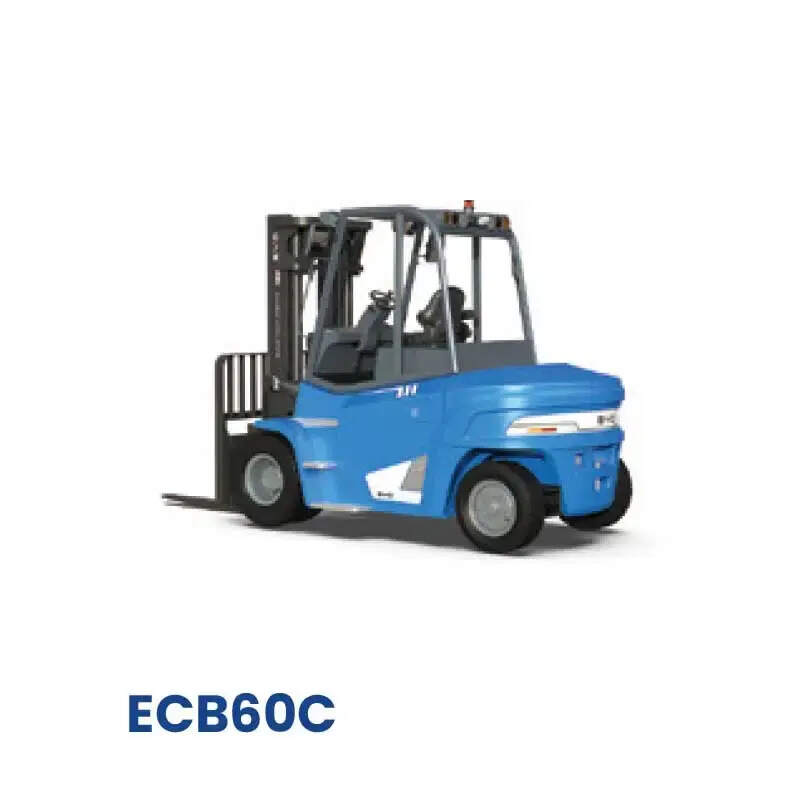
Against the background of accelerating low-carbon transformation in the global industrial logistics sector, electric forklifts have become one of the most widely adopted material handling equipment in warehouses, manufacturing workshops and distribution hubs. Unlike internal combustion counterparts, electric forklifts operate with lower noise, zero on-site emissions and more stable power output, matching the development trend of modern green logistics. For logistics practitioners, mastering correct operation and maintenance rules can effectively extend equipment service life and reduce comprehensive operating costs.
Core Operation Specifications for Daily Use
Before each startup, operators should complete a full inspection of core components, including the remaining power of the battery, the flexibility of the lifting hydraulic system, the sensitivity of the brake and steering system, as well as the integrity of the lighting and warning signal devices. During the operation process, operators should avoid overloading beyond the rated load limit, keep the load center within the specified range, and reduce sharp acceleration or sudden braking as much as possible to avoid damage to the motor and driving control module. When the equipment is running in narrow aisle scenarios, operators should maintain a safe distance from surrounding shelves and personnel, and give timely warning through the horn when turning or passing blind areas.
Routine Maintenance Tips to Extend Service Life
The power battery is the core component of electric forklifts, so relevant maintenance work should be carried out in strict accordance with the official operation manual. Operators should avoid full discharge of the battery during daily use, and arrange timely charging after the remaining power drops to 20% to 30% range. The surface of the battery pack should be kept dry and clean regularly, and no conductive sundries should be placed around the charging interface to avoid short circuit risks. In addition, regular cleaning of the dust on the motor heat dissipation structure, and regular calibration of the sensitivity of the hydraulic valve of the lifting system can effectively reduce the failure rate in long-term operation.
Efficiency Optimization Strategies for Different Scenarios
For high-frequency continuous operation scenarios such as large-scale e-commerce distribution centers, enterprises can configure a reasonable battery replacement mechanism to reduce the waiting time caused by charging during peak operation periods. For low-intensity intermittent operation scenarios such as small manufacturing workshops, reasonably arranging the idle power-off time can reduce unnecessary power consumption. Staff can also plan the handling route in advance according to the layout of the operation site, reduce the unnecessary reciprocating driving distance, and further improve the overall operation efficiency of the material handling link.


